Essential Documents for Luxury Watches Explained
Published October 28, 2026 · Last updated October 28, 2026 · By Lume Wrist Watches
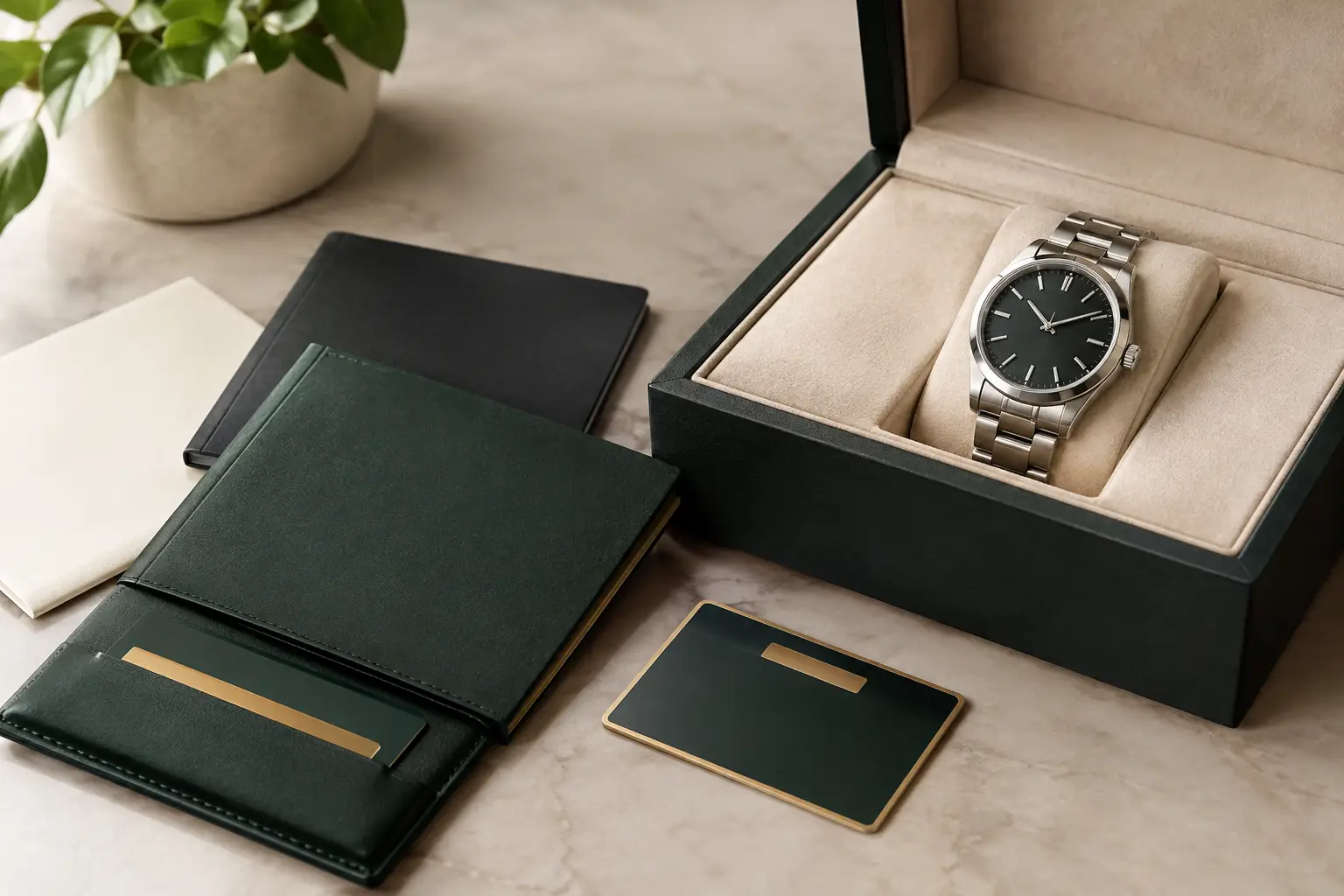
A luxury watch can look correct, feel correct, and still leave unanswered questions without a clear paper trail. The essential documents for luxury watches are not merely accessories to a purchase. They establish what the watch is, how it was represented, what protections apply, and what evidence you retain if you later service, insure, or sell it.
For a Rolex, Patek Philippe, Audemars Piguet, Omega, or another prestigious reference, documents should support the watch itself rather than substitute for professional inspection. A complete set can be desirable, particularly for collectible models, but paperwork alone does not prove authenticity or original condition. The strongest purchase file combines accurate documents with in-house certification, a precise condition description, and a retailer willing to stand behind the transaction.
The Essential Documents for Luxury Watches
The documents that matter most fall into two categories: records that identify the watch and records that protect the buyer. Their importance varies by reference, age, and collecting purpose. A current-production watch purchased for regular wear may require a different level of documentation than a discontinued chronograph or vintage dress watch with collector appeal.
The original warranty card or certificate
An original manufacturer warranty card, certificate of origin, or comparable registration document is often the most recognized piece of accompanying paperwork. Depending on the brand and era, it may show the reference number, serial number, date of sale, retailer information, or purchaser details.
This document can strengthen provenance when its identifying information matches the watch. It is especially meaningful for references where full sets are actively sought by collectors. However, its presence should not be treated as a standalone authentication result. Cards can be altered, misplaced, or separated from their original watches. Some older timepieces were sold with paper certificates that differ substantially from modern cards, while others may have no surviving original papers at all.
A missing card does not automatically make a watch unsuitable. What matters is whether the seller can accurately identify the watch and provide credible authentication and buyer protection. For many pre-owned watches, condition, mechanical health, and a trustworthy sales record deserve more weight than an incomplete box-and-paper set.
A detailed sales invoice
The sales invoice is the document that formalizes your purchase. It should identify the seller, purchase date, model or reference, serial number when appropriate, sale amount, and any stated terms related to returns or warranty coverage.
This is one of the most practical documents in your file. If you insure the watch, request future service, or transfer ownership, the invoice provides a clear record of when and from whom you acquired it. It also gives you a written point of reference if a condition issue or coverage question arises after delivery.
Review the description carefully before payment. Broad wording such as “luxury watch” is less useful than a record that identifies the specific reference and the components included. If the serial number is not displayed in full for security reasons, ask how the seller records and verifies it internally.
An authentication or certification record
For a pre-owned luxury watch, independent retail documentation is often the most relevant assurance document at the time of sale. It should make clear that the watch has been evaluated for authenticity and presented as genuine.
At Lume Wrist Watches, each timepiece is in-house certified before it is offered for sale. That certification is particularly valuable when original manufacturer papers are unavailable, but it also adds a current layer of accountability to watches sold with a full set. The watch is being represented based on professional inspection at the point of purchase, not simply on what may have accompanied it years earlier.
Ask what the certification covers. Authentication is distinct from a guarantee that every component is original to the watch’s first sale, unless that specific claim is made. A thoughtful seller should be direct about known replacement service parts, refinishing, bracelet stretch, dial condition, and other factors that can affect collectibility.
A written condition report
Photographs are useful, but they rarely replace a written condition report. The report should address the case, bracelet or strap, crystal, dial, hands, bezel, movement function, and any visible wear. For high-value pieces, details such as polishing history, stretch in a metal bracelet, lume condition, and service replacement parts can materially affect a buyer’s decision.
A good report does not rely on vague descriptions such as “excellent” without context. A watch may be excellent for its age while still showing light case wear, a refinished case, or a replacement crystal. None of those characteristics is automatically disqualifying. They simply need to be disclosed so that the buyer understands the watch being purchased.
Condition documentation is also useful after delivery. It gives you a baseline for future service discussions and supports accurate representation if you eventually decide to sell or trade the watch.
Documents That Support Service and Long-Term Ownership
Some records are not required for every purchase, yet they can be highly valuable depending on the watch’s history and intended use.
Service records and repair receipts
Service documentation can show when a watch was maintained, which work was performed, and whether the movement received a full overhaul or a limited repair. On a mechanical watch, that history can help set expectations for near-term maintenance.
Read service records with care. A manufacturer or qualified watchmaker receipt may be reassuring, but it can also indicate replaced components. For an owner who plans to wear the watch regularly, properly installed service parts may be entirely appropriate. For a collector seeking period-correct originality, the same changes may deserve closer consideration.
If no service history exists, that is not unusual. It simply means the buyer should avoid assuming a recent overhaul. A retailer’s warranty can provide meaningful protection for covered mechanical issues, but it does not make an undocumented service history become documented.
Appraisals for insurance purposes
An appraisal can help when arranging personal-articles insurance, particularly for a watch with a substantial replacement value. It generally identifies the piece and states an estimated value for an insurance-related purpose.
Appraisals have limits. They are not authentication certificates, purchase invoices, or promises of future market value. Insurance carriers set their own documentation and coverage requirements, so it is wise to confirm what your provider needs before ordering an appraisal. In many cases, a detailed invoice, clear photographs, and certification record are also useful parts of the submission.
Box, manuals, tags, and accessories
The original presentation box, manuals, hang tags, booklets, extra links, straps, and setting tools can contribute to a more complete ownership package. These items may be especially relevant for collectible references, limited editions, and watches where the original accessories were distinctive.
They are secondary to the watch’s authenticity and condition. A correct watch without its box can still be a strong purchase. Conversely, an impressive box and paperwork package cannot cure concerns about a watch that has not been properly evaluated. Treat accessories as supporting evidence and, in some cases, an added collector consideration.
Match Every Document to the Watch
Before finalizing a purchase, compare the reference number and relevant identifiers across the invoice, warranty card, service records, and certification materials. Not every document will display every number, particularly when a seller limits public serial disclosure for security. What you want is a consistent record with no unexplained mismatches.
Dates deserve context as well. An older warranty card date is not a problem by itself, nor is a later service date. The question is whether the timeline is plausible and whether the seller can explain anything that appears inconsistent. Be cautious with documents that look altered, contain conflicting handwriting, or identify a different reference than the watch being offered.
For vintage watches, expectations should be calibrated. Papers may have been lost over decades, original boxes may be long gone, and service history may be incomplete. In those cases, a careful current evaluation, honest condition disclosure, and a written return policy are often more meaningful safeguards than trying to reconstruct a perfect historical file.
Keep the Purchase File Protected
Once the watch is delivered, retain original paperwork in a dry, secure location separate from the watch. Create clear digital copies of the invoice, certification record, warranty terms, service documents, and photographs of the watch at delivery. If you ever need to make a warranty claim, arrange insurance, or document ownership, quick access to those records reduces unnecessary friction.
Read the return and warranty terms before the watch arrives, not after a concern develops. A 30-day return window gives a buyer time to inspect the piece in person, while a two-year warranty provides defined post-purchase support for covered issues. The specific terms still matter, including eligibility, exclusions, and the process for requesting service.
The most useful documents are the ones that leave no uncertainty about who sold the watch, how it was identified, what condition was disclosed, and what support follows the sale. Keep that record as carefully as you keep the watch itself.