Rolex Datejust Reference Guide: Sizes, Bezels & Dials Explained
Published September 9, 2026 · Last updated October 20, 2026 · By Lume Wrist Watches
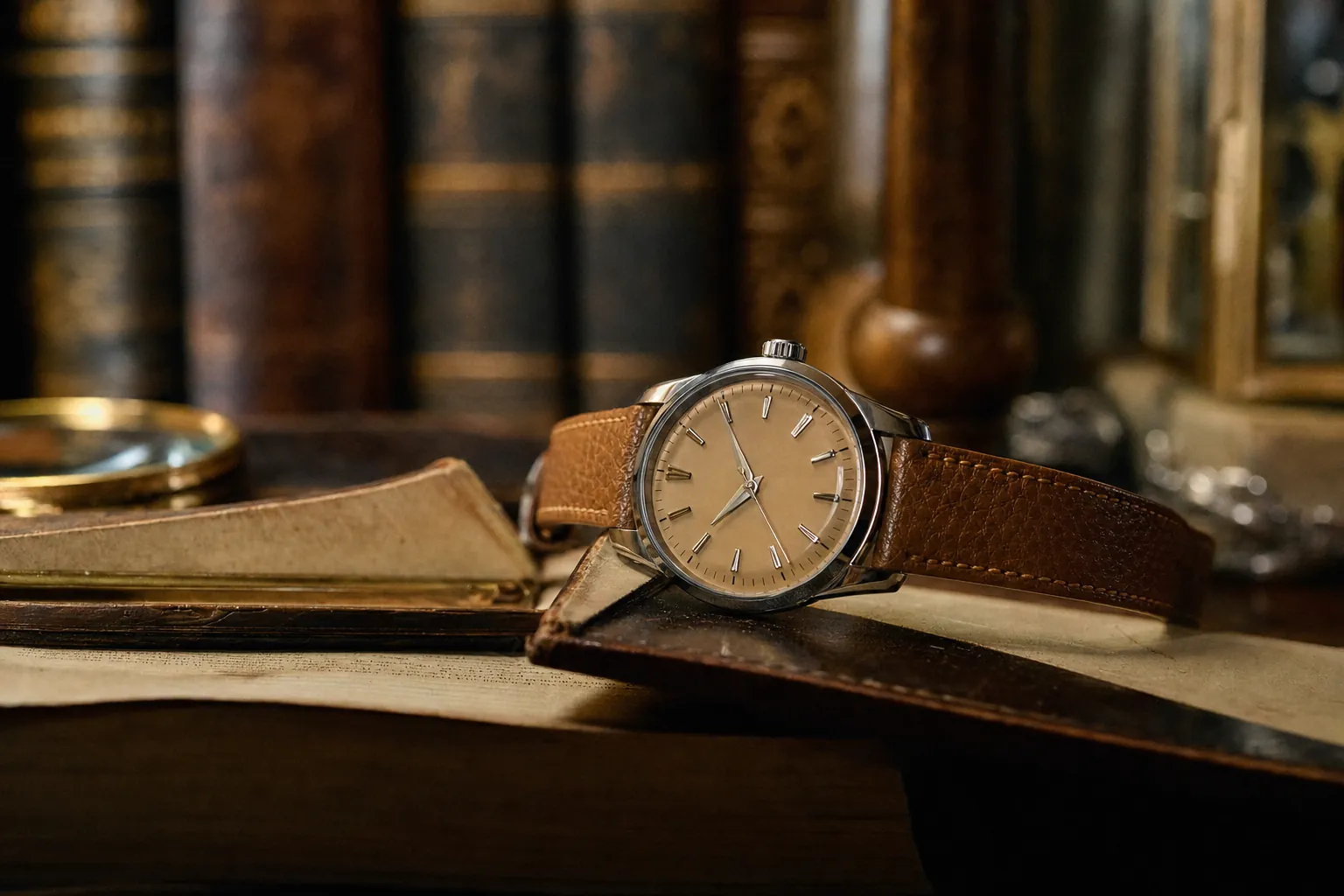
The Rolex Datejust, first introduced in 1945 as the world's first self-winding chronometer wristwatch to display the date in a window on the dial, has evolved into an enduring icon of horological design and functionality. This comprehensive guide unpacks the multifaceted world of the Datejust, focusing on its diverse range of sizes, distinctive bezel options, and the myriad of dial variations that have captivated collectors for decades, providing essential insights for any potential buyer or enthusiast.
The Reference at a Glance: Production Years, Case, Movement, Dial Variants
For over 75 years, the Rolex Datejust has been the quintessential everyday luxury watch, characterized by its timeless Oyster case, a perpetual self-winding movement, and the innovative date display. While its core design principles remain steadfast, the Datejust has seen continuous evolution in its dimensions, internal mechanics, and aesthetic customizations. Rolex has consistently updated its movements to enhance precision and power reserve, moving from early Caliber 10.5"' movements to the modern Caliber 3235 with its impressive 70-hour power reserve and Chronergy escapement. The most prominent variants center on case diameter (ranging from 26mm to 41mm), bezel styles (smooth, fluted, engine-turned, gem-set), and a virtually limitless array of dial configurations in terms of color, material, and hour markers.
Early Milestones and Key Innovations
- 1945: Introduction of the original Datejust, Reference 4467, in yellow gold, featuring the then-novel date complication and a fluted bezel.
- 1950s: Introduction of the Cyclops lens over the date window, a signature feature that magnifies the date by 2.5 times. This period also saw the expansion into steel and two-tone (Rolesor) options.
- 1970s-1980s: Introduction of quick-set date function, allowing independent adjustment of the date without changing the time, significantly enhancing user convenience. Sapphire crystals also became standard, replacing acrylic.
- 2009: Introduction of the Datejust II (41mm), offering a larger, more contemporary option alongside the traditional 36mm.
- 2016: The Datejust 41 (replacing the Datejust II) is launched, housing the next-generation Caliber 3235, bringing improved proportions and an enhanced movement. The Datejust 36 also received the Caliber 3235 update in 2018.
Full Specification Table
This table outlines common specifications across popular modern and vintage Datejust references, focusing on the critical elements for comparison.
| Feature | Datejust 31 (Ref. 278xxx) | Datejust 36 (Ref. 1262xx) | Datejust 41 (Ref. 1263xx) | Datejust 36 (Vintage Ref. 160xx/162xx) |
|---|---|---|---|---|
| :------------------ | :-------------------------- | :-------------------------- | :-------------------------- | :-------------------------------------- |
| Case Material | Oystersteel, Rolesor, Gold | Oystersteel, Rolesor, Gold | Oystersteel, Rolesor, Gold | Steel, Rolesor, Gold |
| Case Diameter | 31mm | 36mm | 41mm | 36mm |
| Movement | Caliber 2236 | Caliber 3235 | Caliber 3235 | Caliber 3035/3135 |
| Power Reserve | ~55 hours | ~70 hours | ~70 hours | ~48 hours |
| Water Resistance | 100 meters (330 feet) | 100 meters (330 feet) | 100 meters (330 feet) | 100 meters (330 feet) |
| Crystal | Sapphire with Cyclops | Sapphire with Cyclops | Sapphire with Cyclops | Sapphire (post-1980s), Acrylic (pre-1980s) |
| Bezel Options | Smooth, Fluted, Domed, Gem-set | Smooth, Fluted, Domed, Gem-set | Smooth, Fluted, Domed, Gem-set | Smooth, Fluted, Engine-turned, Gem-set |
| Bracelet Options | Oyster, Jubilee | Oyster, Jubilee | Oyster, Jubilee | Oyster, Jubilee |
| Chronometer | Superlative Chronometer | Superlative Chronometer | Superlative Chronometer | Officially Certified Chronometer |
Production Timeline and Dial/Bezel Variations
The Rolex Datejust's extensive production run has resulted in an incredible variety, making it a favorite for collectors who appreciate subtle differences and historical nuance. Understanding these variations is key to navigating the pre-owned market.
Sizing Evolution
The Datejust has seen a deliberate evolution in its case sizes to cater to changing tastes. Historically, the 36mm model (such as the enduring Rolex Date (1500) and similar Datejusts) was considered the standard for men. Over time, larger cases emerged:
- 26mm / 28mm / 31mm: Primarily marketed towards women, these smaller sizes retain all the iconic Datejust features. The 26mm was discontinued in favor of 28mm.
- 34mm (Date): While often mistaken for Datejusts, the Date models, like the Reference 1500, offer a slightly smaller and sometimes more affordable option, often sharing many aesthetic traits with their Datejust counterparts.
- 36mm: The classic and most versatile size, suitable for a wide range of wrist sizes and preferences. It maintains strong appeal today.
- 41mm (Datejust II / Datejust 41): Introduced to address the trend for larger watches. The Datejust II (ref. 1163xx, 2009-2016) had broader lugs and a slightly bulkier feel, while the Datejust 41 (ref. 1263xx, 2016-present) refined these proportions for a more elegant wear, housing the updated Caliber 3235 movement.
Bezel Choices: Defining the Datejust Aesthetic
Rolex offers distinct bezel options, each contributing significantly to the watch's overall character and market value.
- Smooth (Domed) Bezel: The simplest and most understated option, often found on stainless steel models, providing a clean, modern aesthetic. Often paired with an Oyster bracelet for a sportier look.
- Fluted Bezel: Perhaps the most iconic Datejust feature, always crafted in gold (white, yellow, or Everose). Its distinctive facets catch the light beautifully, signifying a touch of elegance and often paired with a Jubilee bracelet. This was originally designed to secure the crystal to the case and has evolved into an aesthetic hallmark.
- Engine-Turned Bezel: A vintage-specific bezel type, typically found on older steel or two-tone models. It features a fine, concentric pattern, offering a more utilitarian yet distinctive look. Less common on modern references.
- Gem-Set Bezel: Typically adorned with diamonds, these bezels are found on precious metal or Rolesor Datejusts, offering the pinnacle of luxury and often carrying a significant premium.
Dial Varieties: A Canvas of Expression
The Datejust's dials are where its versatility truly shines. Rolex offers an astonishing array of materials, colors, textures, and hour markers. This is perhaps the most critical factor in personalizing a Datejust and can dramatically impact its market desirability.
Material and Color
- Classic Colors: Silver, black, white, blue, and champagne are evergreen choices, offering timeless appeal.
- Sunburst Dials: A popular finish where the color radiates outwards from the center, creating a dynamic play of light.
- Mother-of-Pearl: Each dial is unique, sourced from the iridescent inner layer of mollusk shells, offering a captivating shimmer.
- Stone Dials: Rare and highly sought-after, featuring materials like onyx, lapis lazuli, malachite, or meteorite. These command significant premiums due to their natural beauty and scarcity.
- "Stella" Dials: Vibrant enamel dials from the 1970s and 80s, available in bold colors like yellow, green, or red, now highly collectible in the vintage market.
- Palm/Fluted Motif Dials: Newer, intricate patterns introduced on contemporary models, adding depth and texture.
Hour Markers
- Baton/Stick Markers: The most common and classic choice, offering a clean, minimalist look.
- Roman Numerals: A traditional and elegant option, available in various finishes.
- Arabic Numerals: Less common but available on some references, offering a more contemporary or utilitarian feel.
- Diamond Markers: Often paired with gem-set bezels or as standalone markers, adding significant luxury.
- Pyramid Dials: Featuring small raised pyramids as hour markers, offering a unique texture.
- "Sigma" Dials: Vintage dials denoted by a small Greek sigma symbol at 6 o'clock, indicating solid gold markers. These are highly collectible.
Wearing Experience and Sizing on the Wrist
The Datejust is renowned for its comfortable wear, a result of its Oyster case design and finely engineered bracelets. The choice of size and bracelet significantly influences the wearing experience.
- 31mm: Offers a delicate and elegant presence, ideal for smaller wrists or those preferring a more discreet watch. Its light weight makes it incredibly comfortable for daily wear.
- 36mm: The "goldilocks" size for many, striking a perfect balance between presence and classic elegance. It fits a vast majority of male and female wrists comfortably and remains a strong choice for its versatility. The 36mm Datejust is arguably the most adaptable size for any occasion.
- 41mm: Provides a more contemporary and substantial feel on the wrist, suited for those who prefer larger watches. Despite its size, the refined lugs of the Datejust 41 ensure it doesn't feel overly bulky, unlike some earlier larger models.
Bracelets:
- Oyster Bracelet: Three-piece link, robust, and sporty. Often chosen for its durability and more casual appeal. It tapers subtly for comfort.
- Jubilee Bracelet: Five-piece link, more elegant and dressy, providing exceptional flexibility and comfort due to its numerous small links. It is almost exclusively paired with the fluted bezel for the archetypal Datejust look.
Consider your wrist size (measure its circumference) and personal style. A smaller wrist might find a 41mm overpowering, while a larger wrist might feel a 31mm is too small. The 36mm remains a perennial favorite for its balanced proportions, a key reason it's often the entry point for many looking to buy a Rolex at Lume Wrist Watches.
Market Pricing and Which Variants Command a Premium
Datejust pricing varies widely based on age, condition, materials, and specific features. As observed in the pre-owned market, general price ranges can fluctuate.
| Datejust Category | Approximate Price Range (Pre-Owned) |
|---|---|
| :----------------------- | :------------------------------------ |
| Vintage (pre-1980s) 36mm Steel | ~$4,000 - $8,000 |
| Vintage (pre-1980s) 36mm Rolesor | ~$5,000 - $10,000 |
| Modern 31mm Steel | ~$7,000 - $10,000 |
| Modern 36mm Steel (Smooth Bezel) | ~$8,000 - $12,000 |
| Modern 36mm Rolesor (Fluted Bezel) | ~$10,000 - $15,000 |
| Modern 41mm Steel (Smooth Bezel) | ~$9,000 - $13,000 |
| Modern 41mm Rolesor (Fluted Bezel) | ~$12,000 - $18,000 |
| Datejust with Diamond Dial | ~$15,000 - $30,000+ |
| Datejust with Stone Dial | ~$25,000 - $50,000+ |
Variants Commanding a Premium:
- Precious Metals & Rolesor: Full gold or two-tone (Rolesor) models, especially with fluted bezels, generally hold higher values than pure steel.
- Specific Dials: Rare or aesthetically unique dials significantly impact value. These include:
- "Stella" Dials: Highly sought-after vintage enamel dials.
- Stone Dials: Onyx, lapis, malachite, meteorite dials are rare and very desirable.
- Vignette Dials: Dials that darken towards the edges, often featuring diamond markers.
- Factory Diamond Dials: Always command a premium over plain dials, and significantly over aftermarket diamond additions.
- Condition: Watches in excellent, unpolished condition with original components and full box and papers will always fetch top dollar. For a truly collectible piece, seek out models with minimal signs of wear and a verifiable service history. Lume Wrist Watches offers a curated selection of such exceptional timepieces, including diverse Rolex collection models.
- Movement: Newer generation movements (Caliber 3235) tend to hold value better due to their enhanced performance and power reserve.
Conversely, models with aftermarket modifications (non-factory diamonds, replacement parts) typically see a significant decrease in value and are not recommended for investment-focused buyers.
Authentication Checklist Specific to This Reference
Authenticating a Rolex Datejust requires keen attention to detail. Our inspection process process covers these critical points, ensuring every watch from Lume Wrist Watches is genuine.
- Serial and Reference Numbers: Carefully inspect the engravings between the lugs. The reference number (e.g., 126334) at 12 o'clock indicates the specific model, while the serial number at 6 o'clock dates the watch. Ensure these numbers correspond to known Rolex production periods and models.
- Movement Inspection: For mechanical Datejusts, the movement should be an automatic Rolex caliber (e.g., Caliber 3235, 3135, or earlier versions). Examine the finishing; it should be exquisite, with clearly engraved "Rolex" and "Swiss Made" markings. Modern movements also feature "Superlative Chronometer Officially Certified." A reputable watchmaker can verify the movement's authenticity.
- Cyclops Lens: The Cyclops lens over the date window should magnify the date precisely 2.5 times. The edges should be smooth and the date perfectly centered.
- Crown Etching: On modern sapphire crystals, a tiny, laser-etched Rolex crown should be visible at the 6 o'clock position (often requiring a loupe to see). This feature was introduced around 2002.
- Dial and Hand Quality: Inspect the dial printing for crispness and precision. The "Rolex" text, coronet, and hour markers should be perfectly applied, without any smudging or misalignment. Hands should be uniform in finish and free from imperfections. Any factory diamond settings should be meticulously executed.
- Case and Bezel: The Oyster case should exhibit Rolex's characteristic robust construction. The fluting on the fluted bezel should be sharp and uniform, and always made of gold. The crown should screw down smoothly and securely.
- Bracelet: Both Oyster and Jubilee bracelets should feel solid, with minimal play in the links (especially for newer models). The coronet on the clasp should be sharp and well-defined. Inspect the end-links for proper fit against the case.
Always purchase from reputable dealers like Lume Wrist Watches, who provide guarantees of authenticity and allow for independent inspection. Consider using our concierge sourcing service for specific configurations.
Frequently Asked Questions
### What are the main differences between the Datejust 36 and Datejust 41? The Datejust 36 (36mm diameter) is the classic and most versatile size, while the Datejust 41 (41mm diameter) offers a more contemporary and bolder presence. Both modern versions house the Caliber 3235 movement, but the 41mm has slightly larger proportions overall, including the dial and bracelet width, appealing to those who prefer a larger watch.
### Can I put an Oyster bracelet on a Datejust that originally came with a Jubilee, or vice-versa? Technically, it is possible to swap bracelets, but Rolex generally advises against it for maintaining originality and value, as the end-links might differ slightly in fit between specific references. Moreover, it's rare for Rolex to sell bracelets separately without verifying the original configuration of the watch.
### What is a "Rolesor" Datejust? "Rolesor" is Rolex's proprietary term for its two-tone watches, combining steel and gold. Typically, the case and outer links of the bracelet are steel, while the bezel, winding crown, and center links of the bracelet are made of 18k gold (yellow, white, or Everose). This combination offers a blend of durability and luxury.
### What does 'Fluted Bezel' mean and why is it special? Flüted refers to the distinctive, gear-like pattern on certain Rolex bezels. It's special because it's always crafted from 18k gold (white, yellow, or Everose), even on Rolesor or steel models, instantly elevating the watch's luxurious appeal. Originally, the fluting had a functional purpose in securing the crystal, but today it is purely an aesthetic hallmark of Rolex's elegance.
Contact Lume Wrist Watches
For further inquiries or to explore our curated collection of Rolex Datejust timepieces, please reach out to us:
- Email: sales@lumewrist.com
- Phone: +1 (332) 285-2190
- Office (by appointment): 18 East 48th Street, Suite 1503, New York, NY 10017
- Hours: Mon–Fri 9:00 AM – 7:00 PM EST · Closed Saturday & Sunday
- Visit our contact page or browse our full our shop.
Final Thoughts
The Rolex Datejust stands as a testament to enduring design, technical innovation, and exceptional craftsmanship. Its incredible versatility, through its diverse range of sizes, bezel options, and countless dial configurations, ensures there is a Datejust for every wrist and every taste. Whether you're drawn to the classic elegance of a 36mm Rolesor with a fluted bezel and Jubilee bracelet, or the modern presence of a 41mm steel model, understanding these intricate details is paramount to making an informed decision. As part of our comprehensive Rolex Watches: Complete 2026 Buying Guide series, this deep dive highlights why the Datejust remains a pillar of luxury watchmaking, offering both timeless style and robust reliability. We invite you to explore our exquisite selection of these iconic timepieces in our authenticated collection, or consider our concierge sourcing service to find your perfect match. Discover your next cherished timepiece, perhaps even a specific Datejust model in luxury watches in California, today.