Rolex Watch 2026 New Models: What Matters
Published August 20, 2026 · Last updated October 17, 2026 · By Lume Wrist Watches Editorial Team
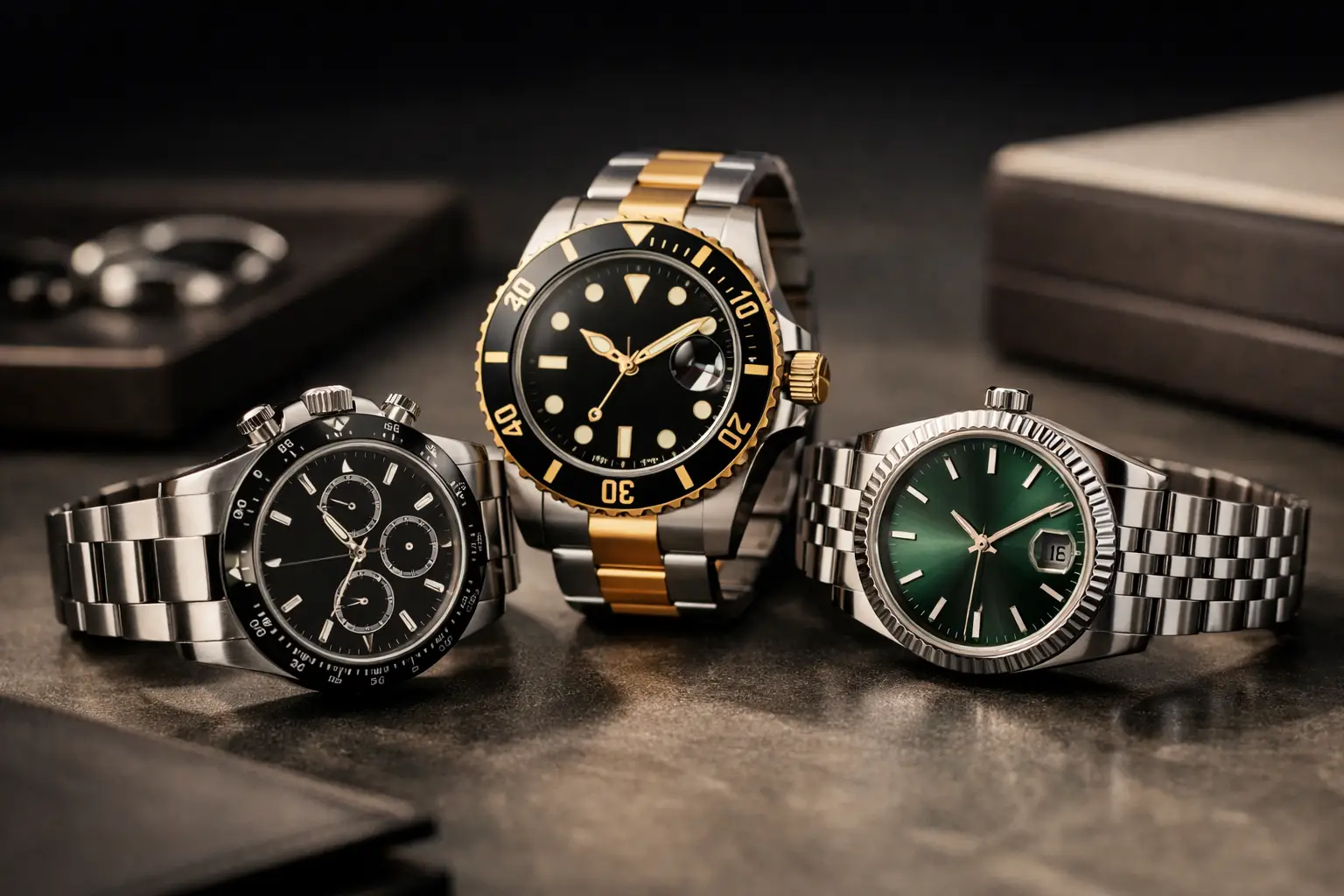
A search for a rolex watch 2026 new model usually starts with a simple question: what changed? For a brand built on continuity, the answer is rarely a dramatic redesign. The details that matter are more precise - a revised dial execution, a new material configuration, a movement update, a discontinued reference, or a subtle shift in the catalog that changes collector demand.
For buyers considering a Rolex in 2026, the smart approach is to separate confirmed product information from speculation, then evaluate the exact reference on its merits. A new release may be compelling, but provenance, condition, configuration, and purchase protection remain just as important when the watch reaches the secondary market.
Rolex Watch 2026 New Models: Start With Confirmed Details
Rolex typically introduces updates through official product announcements rather than extended advance disclosure. Until a reference, specification, and configuration are formally confirmed, rumored model names, dial colors, bezel materials, and production changes should be treated cautiously.
This matters because Rolex revisions can be exceptionally nuanced. Two watches may share a familiar case shape and bracelet, yet differ in movement generation, dial construction, luminous material, clasp design, or reference number. Those differences affect how a watch wears, how it is serviced, and how clearly it can be represented to a future buyer.
When assessing a newly released Rolex, begin with the reference number. It is the most efficient way to identify the intended model family, material, bezel arrangement, and generation. Product names alone are not enough. Rolex has produced closely related versions of the Submariner, GMT-Master II, Datejust, Daytona, Day-Date, Explorer, Yacht-Master, and Oyster Perpetual over many years, often with meaningful changes hidden behind familiar styling.
A confirmed specification should answer several practical questions: What is the case diameter? Which movement is inside? Is the bracelet original to that reference? Is the dial consistent with the production configuration? Does the watch have a date, chronograph, dual-time, or annual-calendar function? For a first-time buyer, these questions make the comparison process more manageable. For an experienced collector, they help distinguish a genuine catalog evolution from visual noise.
Why Small Rolex Updates Can Carry Weight
Rolex does not need to reinvent its core designs every year. The strength of its catalog is that a new generation still feels recognizably connected to the watches that came before it. That continuity also means a small change can have outsized significance.
A movement update, for example, may improve power reserve, efficiency, accuracy standards, or resistance to magnetism and shocks. A case revision may alter lug proportions and improve comfort without changing the stated diameter. A dial variation can be visually subtle in photographs but immediately apparent on the wrist under natural light.
The right choice depends on the buyer. Someone seeking a daily-wear Rolex may prioritize bracelet comfort, clasp adjustability, legibility, and a current-generation movement. A collector focused on a specific era may prefer an earlier reference with period-correct details and a stronger connection to a discontinued configuration. Newer is not automatically better, and older is not automatically more desirable. The important question is whether the specific watch meets your intended use and your standard for originality.
New release versus established reference
A current Rolex release offers the appeal of the latest specification and the reassurance of a clearly defined factory configuration. However, availability can be limited, and early secondary-market examples should be reviewed carefully for completeness, condition, and documentation.
An established reference can offer a deeper history of ownership patterns and market familiarity. It may also provide a particular dial, bezel, case proportion, or movement that is no longer produced. The trade-off is that condition can vary widely. A well-preserved earlier Rolex with an original dial, correct bracelet, and consistent service history is a very different purchase from one that has been heavily polished, assembled from mismatched components, or inaccurately described.
Evaluate the Watch Beyond the Release Year
Whether a Rolex is a 2026 release or a prior-generation reference, its individual condition deserves close attention. The release year tells you when a design entered the catalog. It does not establish the quality of the particular example being offered.
Case condition should be evaluated with care. Rolex cases are designed with defined lines, bevels, and proportions. Repeated or aggressive polishing can soften those details, alter the original silhouette, and reduce the crispness collectors expect. This does not mean every polished watch should be dismissed. It means the extent and quality of refinishing should be disclosed and weighed against your preferences.
The bracelet deserves equal scrutiny. Check for appropriate reference markings, consistent finish, proper clasp operation, and reasonable stretch for the watch's age. On precious-metal pieces, bracelet condition is especially relevant because weight, fit, and wear are central to the ownership experience.
Dial and handset originality also matter. A factory-original dial with clean printing, correct luminous material, and an appropriate handset generally provides more confidence than a watch with unclear or inconsistent components. Service components can be legitimate and functional, but they should be represented accurately. Transparency is more useful than broad claims about a watch being “perfect.”
Documentation is valuable, but not a substitute for inspection
A complete set may include the original presentation box, warranty card, manuals, hang tags, and additional accessories. These items can strengthen the ownership package, particularly for collectors. Still, accessories do not replace a professional review of the watch itself.
A Rolex should be assessed for reference consistency, serial-era alignment where applicable, movement correctness, case and bracelet integrity, and overall condition. Documentation should support the watch's story, not serve as the only evidence for it.
Buying a Rolex With the Right Protections
High-value watches require a purchase process that protects the buyer before and after delivery. The attraction of a new Rolex configuration can make it tempting to act quickly, especially when supply is limited. That is precisely when disciplined verification is most valuable.
Ask for clear, current photographs of the exact watch, not generic catalog images. Confirm the reference, included accessories, condition description, and any disclosed service or refinishing history. If the watch is described as unworn, lightly worn, or pre-owned, the listing should make the distinction meaningful through photographs and specific condition notes.
For buyers in the United States, insured shipping and a defined return policy reduce avoidable risk. A warranty also provides practical assurance that the seller stands behind the timepiece after purchase. These safeguards are particularly relevant for a Rolex purchase because the decision involves more than appearance. You are acquiring a precision mechanical object that should be authenticated, accurately represented, and supported by a responsible retailer.
Lume Wrist Watches provides in-house certified luxury timepieces with free insured US shipping, a 30-day return window, and a two-year warranty. For buyers evaluating a recent Rolex release alongside established references, those protections create a more controlled purchase experience than an informal transaction where condition and recourse may be unclear.
The Most Useful Questions to Ask Before You Buy
Before committing to a Rolex, focus on questions that reveal the exact watch's identity and long-term ownership suitability. Is the reference and configuration correct? Are the dial, hands, bezel, bracelet, and clasp consistent with the model? Has the case been polished or the watch serviced? What is included with the purchase? What protections apply if the watch arrives differently than expected or requires attention after delivery?
It is also worth considering how the watch fits into your actual rotation. A stainless-steel sports Rolex can be highly versatile, but it may not provide the formality of a Day-Date or Datejust in precious metal. A GMT-Master II is useful for frequent travelers, while a Daytona offers a chronograph-focused experience. An Oyster Perpetual can be the right answer for a buyer who values simple time-only design and lower visual profile. The most suitable reference is not necessarily the most discussed new release.
A Rolex release in 2026 may introduce an appealing refinement, but the right purchase comes down to the exact watch in front of you: its authenticity, condition, configuration, and the protections attached to the sale. Choose the reference that you will want to wear with confidence long after the initial announcement has passed.