Dealer Marketplace Comparison for Luxury Watches
Published September 6, 2026 · Last updated October 17, 2026 · By Lume Wrist Watches Editorial Team
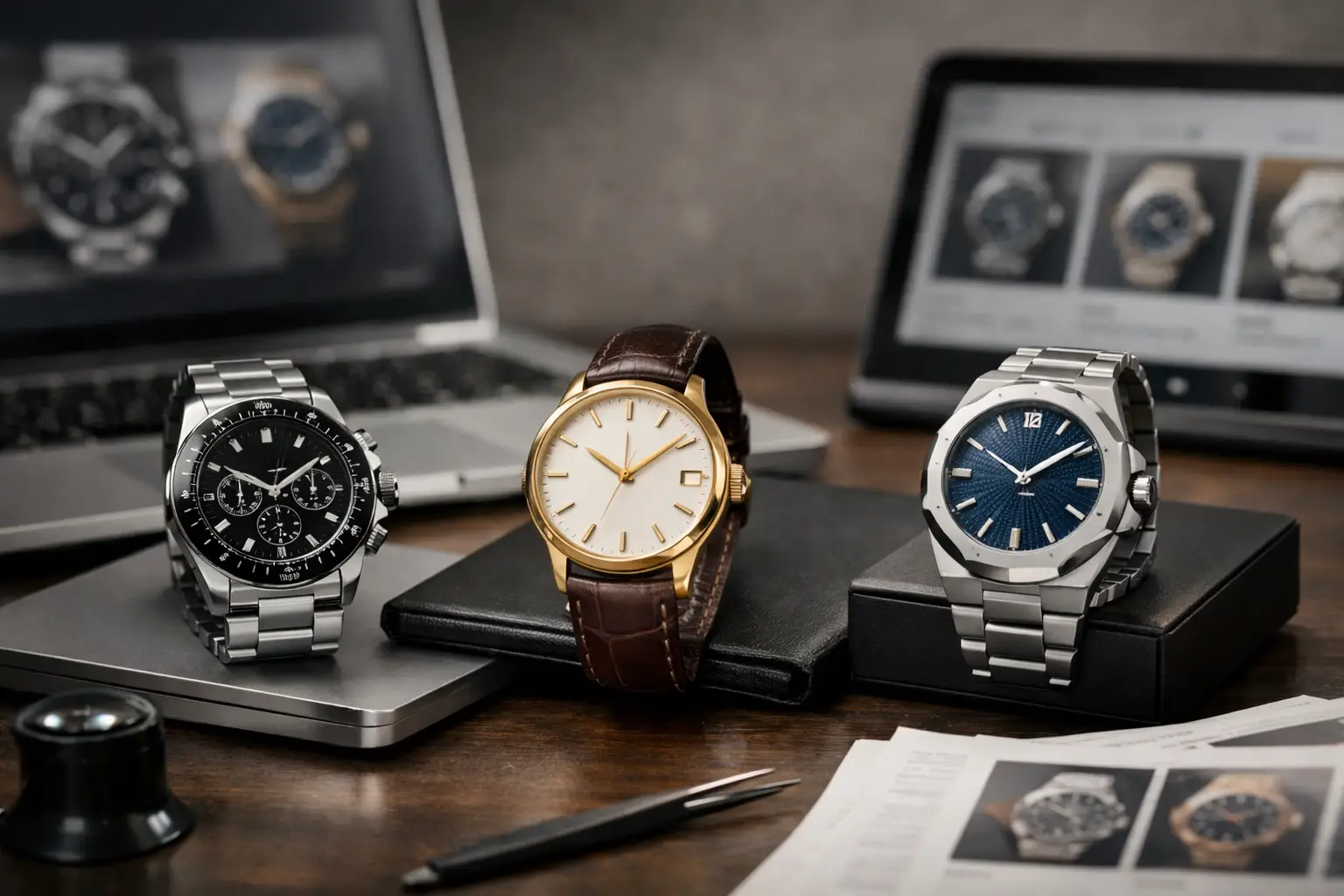
A dealer marketplace comparison is not simply a question of where a Rolex, Patek Philippe, Audemars Piguet, or Omega is listed. It is a question of who is accountable for the watch after payment is sent. For a high-value timepiece, the listing price is only one part of the decision. Authentication standards, condition documentation, shipping procedures, return rights, and warranty coverage determine how much risk the buyer is actually accepting.
The secondary luxury watch market gives buyers access to significant references, discontinued models, and a broad range of production years. It also includes material differences between a professional dealer transaction and a marketplace transaction facilitated between separate parties. Understanding those differences helps buyers evaluate a watch on more than photographs and a brief condition label.
Dealer Marketplace Comparison: Start With Accountability
A marketplace generally provides a venue where multiple sellers can list watches. The platform may offer payment processing, listing rules, dispute support, or an optional authentication step. However, the party describing, photographing, and often shipping the watch may be an independent seller rather than the platform itself.
A dealer sells inventory directly and is responsible for the transaction from product inspection through post-purchase service. That structure can make a meaningful difference when a question arises about originality, mechanical performance, shipping damage, or whether the delivered watch matches its description.
Neither format is automatically right for every buyer. A marketplace can be useful when searching broadly for an uncommon reference or comparing available configurations. A direct dealer purchase is often preferable when the buyer values a defined condition standard, a clear return process, and a single accountable party. The key is to identify where responsibility sits before committing to a purchase.
Authentication Must Be Specific
The word “authentic” carries little value unless the seller explains what it means operationally. Buyers should ask whether the watch was physically inspected, who performed the inspection, and whether the dealer stands behind that determination after delivery.
For a luxury watch, authentication should extend beyond confirming that the dial bears the correct brand name. A proper assessment considers the case, bracelet, clasp, movement, dial, hands, bezel, crystal, serial or reference details where applicable, and overall consistency with the model’s production period. Documentation can support a watch’s history, but it should not substitute for examination of the watch itself.
This matters particularly with collectible references, where correct components, original finishing, and period-appropriate details can affect desirability. Buyers do not need to become watchmakers before purchasing, but they should expect a professional seller to provide a clear basis for confidence rather than a vague assurance.
An in-house certified watch creates a more direct chain of responsibility. The dealer has inspected the timepiece and attached its own reputation and service obligations to that assessment. When reviewing any seller, ask whether authentication is merely a statement in a listing or a defined part of the dealer’s process.
Condition Descriptions Need More Than a Grade
Terms such as excellent, very good, and lightly worn are subjective. A useful condition description identifies the details that can affect ownership, collectibility, and future service needs.
Look closely at whether the case has signs of polishing, how sharp the lugs and bezel edges remain, whether the bracelet has stretch, and whether the crystal, dial, hands, and clasp show visible wear. For vintage or older watches, age-consistent marks may be expected and can be preferable to overly aggressive refinishing. For modern watches, buyers may prioritize a cleaner overall presentation. Neither preference is wrong, but the listing should make the distinction clear.
Photographs should be sufficiently detailed to support the written description. Ask for clarity on any visible marks, replacement components, and included accessories. If a watch comes with its original box, papers, or other items, the seller should state exactly what is included rather than relying on a generic “full set” label.
Mechanical condition deserves the same attention. A watch can look excellent while needing service, and a recently serviced watch may have cosmetic wear consistent with use. Ask whether the movement has been inspected, whether timekeeping has been evaluated, and what warranty protection applies after the sale.
Compare the Transaction, Not Just the Watch
Two listings for the same reference can appear similar until the terms are examined. The most useful dealer marketplace comparison evaluates the full purchase process: payment security, shipping, inspection time, return eligibility, and warranty support.
Shipping and Delivery Protection
A luxury watch should be shipped through a method appropriate for a high-value item, with insurance and tracking that remain in force through delivery. Buyers should understand signature requirements, delivery expectations, and what happens if a package is delayed, damaged, or lost.
Free insured US shipping removes a common point of uncertainty, but buyers should still review the seller’s stated delivery terms. International purchases require additional review because shipment options, timing, and customs-related obligations may vary by destination.
Returns Are a Practical Inspection Period
Online photographs cannot replace handling a watch in person. A defined return window gives a buyer time to confirm that the watch meets expectations for condition, fit, appearance, and overall confidence.
Read the return policy closely. Confirm the number of days available, the condition required for a return, whether accessories and documentation must be included, and how the seller handles the return shipment. A short or unclear policy can leave a buyer with limited recourse if the watch is materially different from what was expected.
A 30-day return window is particularly valuable for a first major watch purchase or for collectors evaluating a reference they have not previously worn. It does not eliminate the need for careful review before purchasing, but it gives the buyer a defined process if the watch is not the right fit.
Warranty Shows Post-Sale Responsibility
A warranty is not the same as a manufacturer warranty, especially when purchasing a pre-owned watch from an independent retailer. Still, dealer-backed coverage can provide important protection against qualifying mechanical issues after delivery.
The terms should explain the warranty duration, what is covered, what is excluded, and how a service request is handled. Cosmetic wear, accidental damage, water damage, and changes made after purchase may fall outside coverage. That is normal. What matters is that the policy is written clearly enough for the buyer to understand the dealer’s obligations.
For a pre-owned luxury watch, a 2-year warranty signals that the dealer is prepared to remain involved after the initial sale. Compare that commitment with listings that offer only a limited period for disputes or no stated mechanical coverage at all.
Questions Worth Asking Before You Buy
Before selecting a dealer or marketplace listing, request direct answers to the questions that affect your ownership experience. Ask whether the watch is physically in stock, whether it has been authenticated and inspected in-house, and whether all visible condition issues have been disclosed. Confirm what is included, how the watch will be shipped, and which party is responsible if a problem arises.
You should also ask about the return process before payment, not after delivery. A professional seller should be able to explain it plainly. Ambiguous answers, incomplete product details, or pressure to move outside a protected purchase process deserve caution, particularly on a significant transaction.
For collectors seeking a specific reference, it can be tempting to focus on rarity alone. Rarity does not reduce the need for verification. In fact, the more difficult a watch is to replace, the more carefully its condition, configuration, and dealer support should be assessed.
Choosing the Right Purchase Channel
Choose a marketplace when broad inventory access is your primary need and you are comfortable evaluating each seller, listing, and transaction policy individually. This route may suit experienced collectors who know the exact reference details they want and are prepared to conduct deeper seller due diligence.
Choose a direct dealer when you want a structured retail relationship around a high-consideration purchase. The value is not just the watch itself. It is the combination of in-house certification, documented condition, secure fulfillment, a defined return window, and warranty support from the same business that sold it.
At Lume Wrist Watches, that structure includes authentic, in-house certified timepieces, free insured US shipping, 30-day returns, and a 2-year warranty. Those safeguards are designed for buyers who want clarity before purchase and accountability afterward.
The right watch should not require you to accept unanswered questions. Before selecting a listing, make sure the seller can explain the watch, the transaction terms, and the support available once it is on your wrist.