Luxury Watch Servicing: Intervals, Costs & Authentication Insights
Published August 2, 2026 · Last updated October 20, 2026 · By Lume Wrist Watches
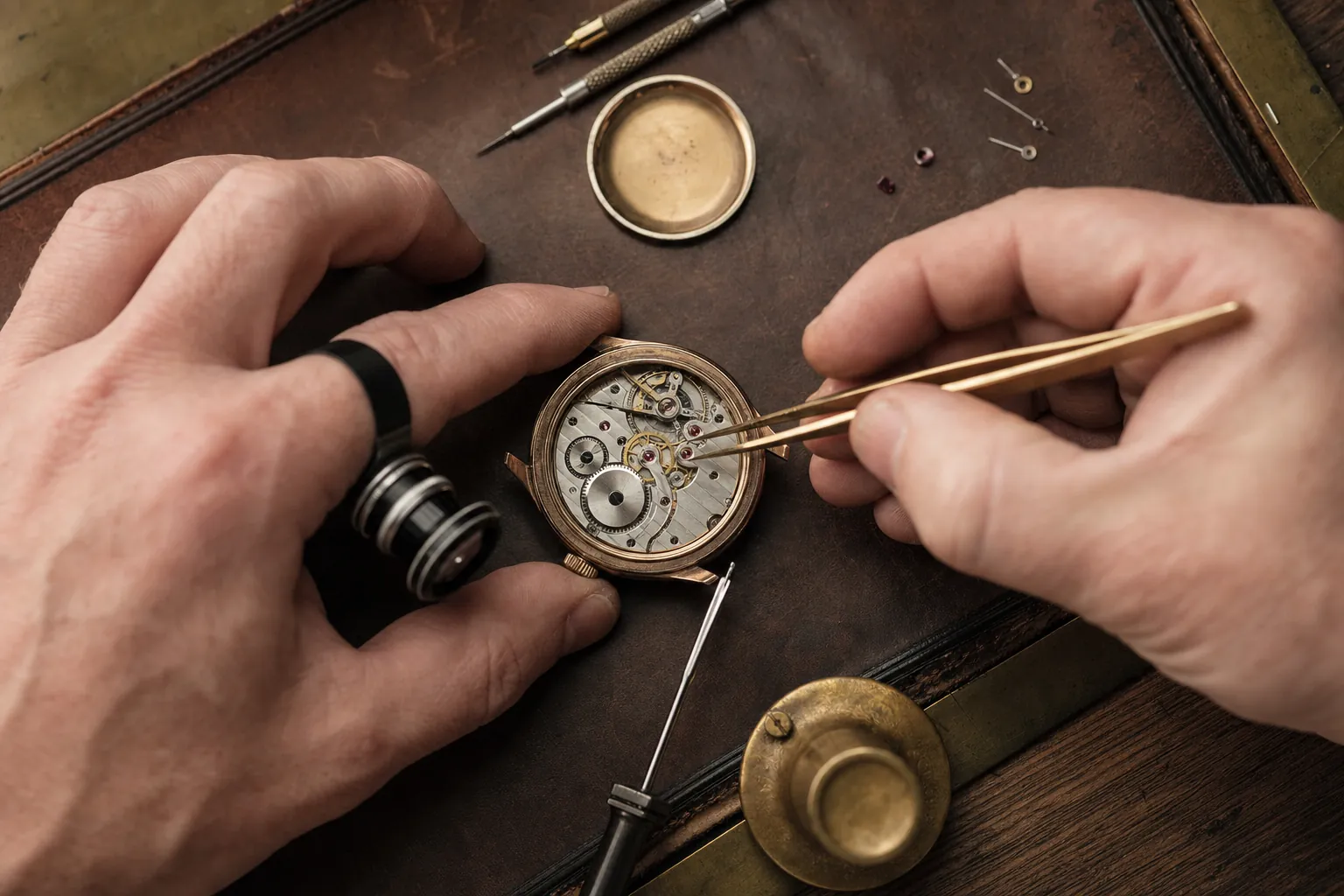
For the discerning collector, a luxury timepiece is more than a mere instrument for telling time; it is a marvel of micro-engineering, a wearable piece of art, and often, a significant financial investment. Like any precision machine, these intricate devices require meticulous care and periodic maintenance to ensure their enduring accuracy, functionality, and aesthetic integrity. Understanding the nuances of luxury watch servicing—its intervals, associated costs, and the critical role it plays in preserving authenticity—is paramount for every owner.
The Unseen World Within: Why Servicing Matters
Beneath the sapphire crystal and expertly finished caseback of every fine watch lies a miniature city of gears, springs, levers, and jewels, all working in exquisite synchronicity. Whether it's a manual-wind dress watch or a complex automatic chronometer, these components are subjected to constant friction and environmental stressors. Over time, lubricants degrade, gaskets perish, and microscopic dust particles can compromise performance. Neglecting proper service is akin to driving a high-performance automobile without oil changes; eventually, critical wear will occur, leading to costly repairs or irreversible damage.
When you entrust your timepiece to experts, you're not just ensuring its mechanical health, but also bolstering its verifiable authenticity—a cornerstone of confidence when buying or selling authenticated luxury watches.
Understanding Service Intervals: A Maison-by-Maison Approach
Determining the 'correct' service interval for a luxury watch is not a one-size-fits-all proposition. While a general rule of thumb suggests 3-7 years, modern horological advancements, particularly in lubrication technology and material science, have extended these periods for many contemporary movements. However, factors like movement complexity, watch usage, and environmental exposure can influence this timeline.
Rolex: Precision and Durability
Rolex, renowned for its robustness and accuracy, has historically recommended service intervals of around five years. However, with the introduction of movements featuring their proprietary Chronergy escapement and new lubricants, such as those found in the calibre 3235 powering models like the Rolex Explorer (124273), the brand now suggests servicing every ten years. This extended interval is a testament to their continuous innovation. Even with this prolonged period, it's crucial to periodically check water resistance, especially for tool watches like the Rolex Pre-owned Rolex No Date Submariner Ref 14060 Black, which may be exposed to diving environments. For more insights on specific models, our Rolex collection offers a deep dive into various references.
Patek Philippe: The Art of Complications
Patek Philippe, a titan of haute horlogerie, generally recommends a service interval of three to five years, though this can vary based on the complexity of the movement. A Grand Complication will naturally require more delicate and frequent attention than a time-only piece. Given the intricate hand-finishing and assembly involved in movements like the Caliber 240 in their ultra-thin models, or the elaborate mechanisms within their perpetual calendars, servicing these Patek Philippe timepieces is an art form in itself, often requiring weeks or even months of meticulous work by highly specialized watchmakers. Their heritage dictates a conservative approach to maintenance, preserving movements that are designed to last for generations.
Omega & Co-Axial Escapement: Modern Innovation
Omega, a pioneer in innovative watchmaking, notably introduced the Co-Axial escapement developed by George Daniels in the late 1990s. This revolutionary escapement significantly reduces friction, theoretically allowing for longer service intervals. Initially, Omega suggested eight to ten years for Co-Axial movements. With further refinements and the advent of the Master Chronometer certifications, featuring anti-magnetic components and advanced lubrication, contemporary Omega collection timepieces like the Omega Speedmaster Professional (310.30.42.50.01.002) can often go for five to seven years between services, sometimes even longer depending on usage. It's always best to consult the manufacturer's specific guidelines for your particular model.
The Cost of Care: Dissecting Service Pricing
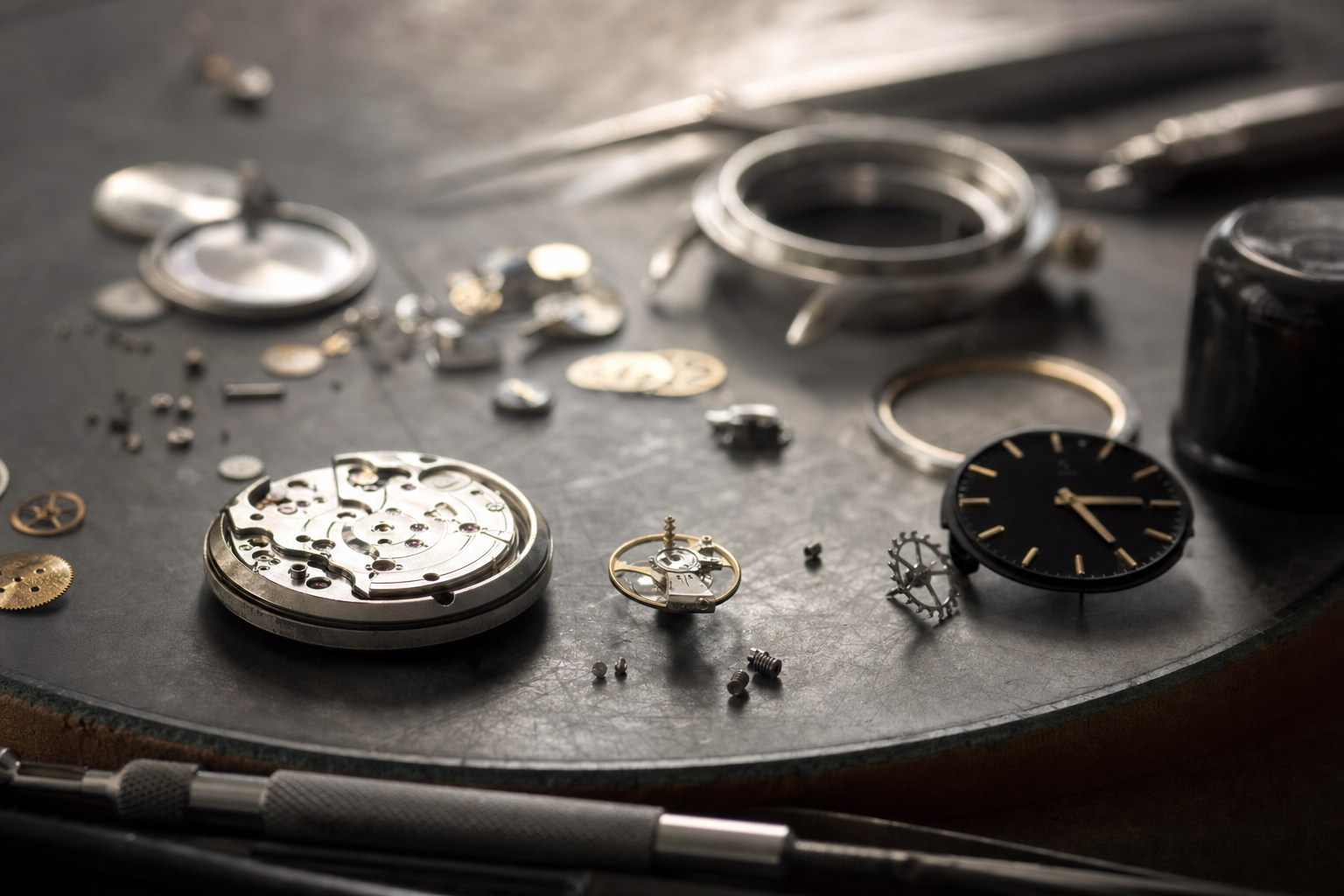
The cost of luxury watch servicing is a frequent point of discussion and, at times, consternation among owners. These prices are not arbitrary; they reflect the immense skill, specialized tools, proprietary parts, and time required to meticulously disassemble, clean, lubricate, regulate, and reassemble a high-precision mechanical instrument. Expect service costs to range from a few hundred dollars for a basic movement to several thousand for complicated pieces or full restorations.
Factors Influencing Service Costs
- Brand & Movement Complexity: As a rule, the more prestigious the brand and the more complicated the movement (e.g., perpetual calendar, tourbillon, minute repeater), the higher the service cost. Servicing an Audemars Piguet Royal Oak with an integrated chronograph will naturally be more expensive than a time-only Cartier model. The Caliber 1847 MC in many Cartier watches, for example, will have a different service profile than a Valjoux 7750-based chronograph.
- Scope of Service: A standard 'complete service' typically includes full disassembly, cleaning, replacement of worn parts (gaskets, springs), lubrication, regulation, and water resistance testing. Cosmetic work like case polishing, bracelet refurbishing, or dial restoration are often extra.
- Replacement Parts: Proprietary parts, especially for vintage or limited-edition models, can significantly drive up costs. Brands like Vacheron Constantin and A. Lange & Söhne often manufacture parts in-house, adding to their exclusivity and price.
- Authorized Service Centers vs. Independent Watchmakers: While authorized service centers (ASCs) guarantee genuine parts and brand-specific expertise, they are often more expensive. Reputable independent watchmakers, like those certified by the American Watchmakers-Clockmakers Institute (AWCI), can offer competitive pricing, but it is imperative to verify their credentials, access to genuine parts, and experience with your specific maison. Lume Wrist Watches partners with certified experts to ensure our authenticity guarantee and service quality.
What a Full Service Entails: A Microscopic Journey
When your treasured timepiece undergoes a full service, it embarks on a journey through several highly specialized stages:
- Case & Bracelet Disassembly: The watch is carefully opened, and the movement is extracted. The case and bracelet are then separated, cleaned, and often refurbished.
- Movement Disassembly: Every single component of the movement, from the balance wheel to the smallest screw, is meticulously disassembled. For a typical automatic movement, this can involve 150-200 individual parts.
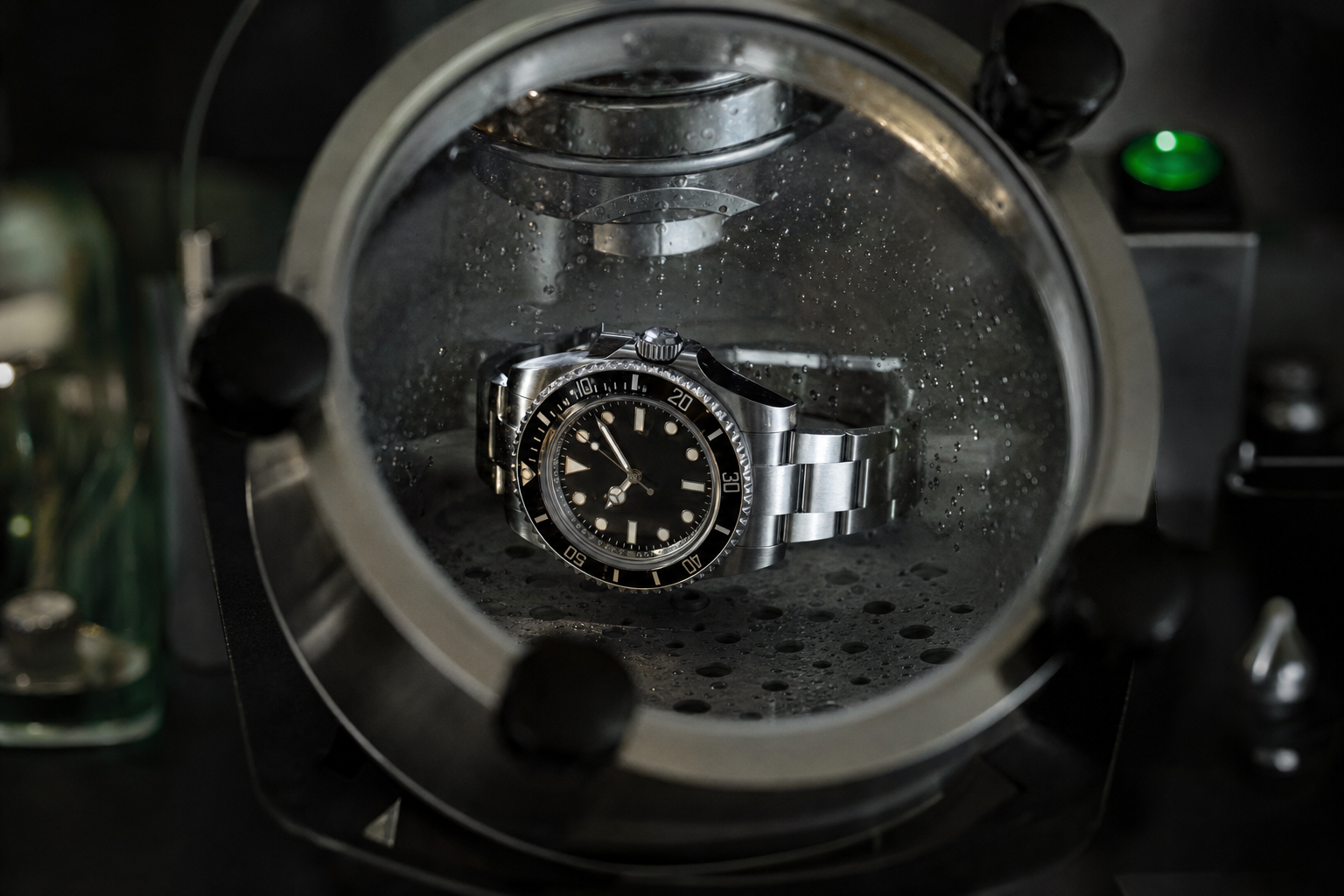
- Cleaning: All movement components are ultrasonically cleaned using specialized solutions to remove old lubricants, dust, and microscopic debris.
- Inspection & Replacement: Each component is then individually inspected under high magnification for wear, corrosion, or damage. Worn parts—gaskets, mainsprings, escapement components—are replaced with genuine manufacturer-supplied equivalents.
- Re-lubrication & Assembly: The movement is carefully reassembled, with appropriate lubricants applied to each specific friction point. Different oils and greases are used for various components, such as the escapement, gear train, and barrel.
- Regulation: The movement is regulated to ensure optimal timekeeping accuracy, often using electronic timing machines. Adjustments are made to the balance wheel and hairspring.
- Case Reassembly & Water Resistance Testing: New gaskets are fitted, and the movement is carefully cased. The watch then undergoes rigorous water resistance testing (e.g., pressure testing for dive watches) to ensure seals are intact.
- Final Quality Control: The watch is observed over several days or weeks to ensure stable performance, power reserve, and functionality before being returned to the owner.
Preserving Value: Service as an Investment
Regular, professional servicing is not an expense; it's an investment in the longevity and value retention of your luxury watch. This is especially true for limited editions or historically significant references.
Consider the Hamilton Hamilton Khaki Aviation Pilot Day Date (H64635140) or the Longines Longines Conquest (L3.830.4.52.6) – while not in the ultra-luxury tier, their consistent performance and reliable movements benefit immensely from timely care. Even a precise quartz timepiece like the Tissot Tissot Ballade (T156.408.11.093.00), with its chronometer-certified Powermatic 80 movement, benefits from attention to case and gasket integrity.
Furthermore, neglecting service can lead to significant issues that compromise authenticity. For example, a worn mainspring or escapement can cause such erratic timekeeping that unauthorized repairs might lead to the use of aftermarket parts, thereby devaluing the watch and raising questions about its originality during authentication. Our article on Building a Luxury Watch Collection: A Connoisseur's Definitive Guide further elaborates on safeguarding your assets.
The Role of Authentication in Servicing
At Lume Wrist Watches, authentication is at the core of everything we do, and this extends to how we view servicing. When a watch arrives for service, especially for vintage pieces or those lacking provenance, a thorough authentication process is implicitly or explicitly undertaken. This ensures that no counterfeit or inappropriately modified components are present, and that any previous repairs adhered to original specifications. Our rigorous our authenticity guarantee standards apply equally to verifying the integrity of a watch's internal components during service.
Avoiding Pitfalls
Be wary of unusually low service quotes, as these often indicate a watchmaker who may cut corners, use non-genuine parts, or lack the specialized training for your specific timepiece. Such compromises not only risk the watch's mechanical health but can also severely impact its long-term value and authenticity. Similarly, for those exploring classic references, understanding how to identify authentic components during service is crucial, as detailed in our guide on the Rolex Daytona Cosmograph: The Ultimate Reference & Authentication Guide.
Contact Lume Wrist Watches
Lume Wrist Watches is dedicated to providing unparalleled service and expertise in luxury horology. For inquiries regarding our authenticated collection, expert authentication services, or general advice on watch care, please reach out to us.
Email: sales@lumewrist.com Phone: +1 (332) 285-2190 Office (by appointment only): 18 East 48th Street, Suite 1503, New York, NY 10017 Hours: Mon–Fri 9:00 AM – 7:00 PM EST · Closed Saturday & Sunday
Visit our contact page or explore our shop for further assistance.
Final Thoughts
Owning a luxury watch is a privilege that comes with the responsibility of meticulous care. Understanding service intervals and costs is not merely a practical concern; it is a fundamental aspect of responsible connoisseurship. By adhering to recommended service schedules and entrusting your timepiece only to certified professionals, you safeguard its mechanical integrity, preserve its aesthetic brilliance, and, crucially, maintain its inherent value and authenticity for generations to come. Explore our authenticated collection and invest in a timepiece that will stand the test of time, both aesthetically and mechanically.
## Part of the series This article belongs to our complete guide: Watch Authentication & Provenance: The Lume Wrist Watches Guide.\n