How to Choose a Luxury Wrist Watch That Lasts for Decades
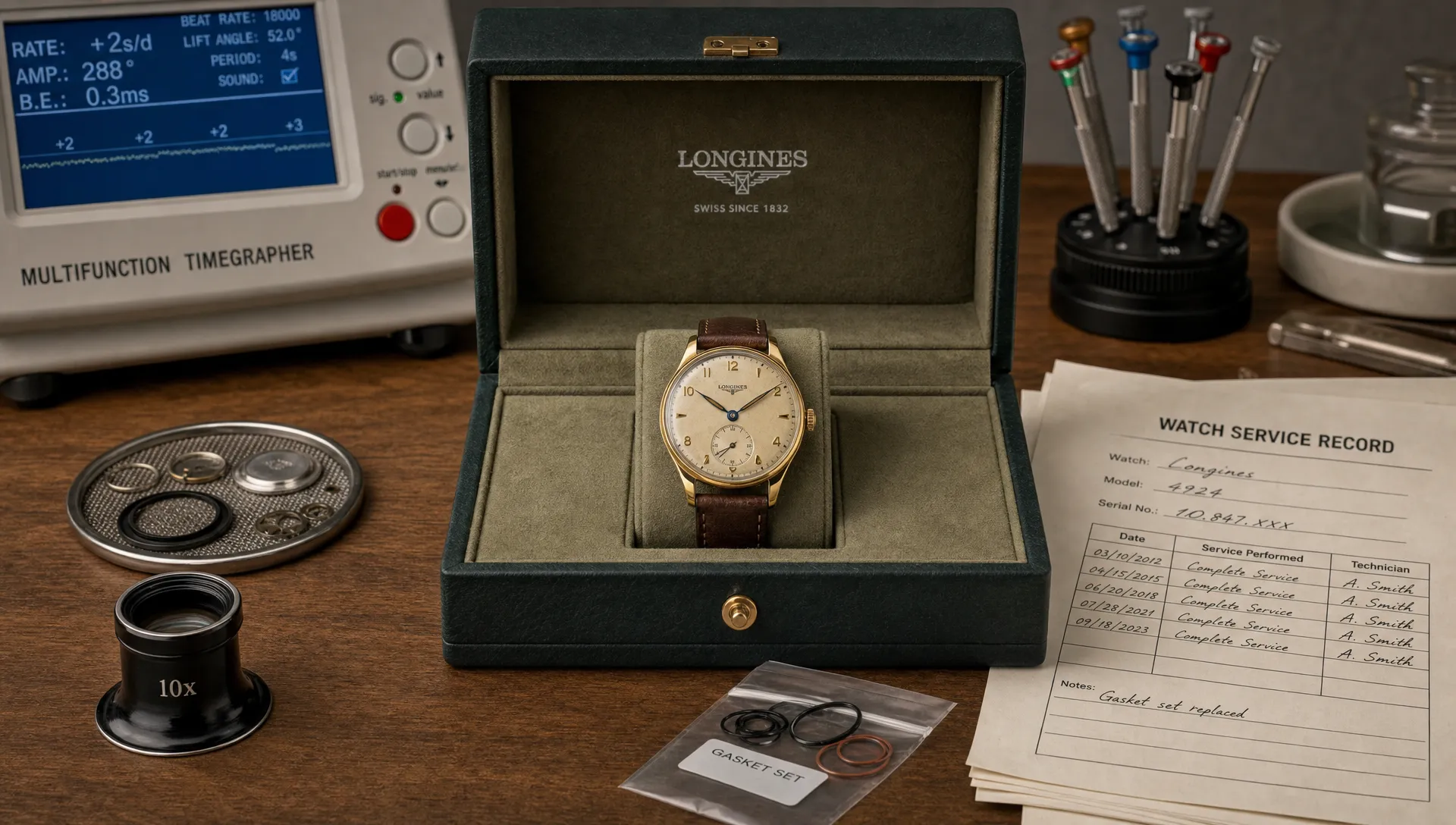
A watch that lasts decades is more than a famous logo. Learn how to judge movement serviceability, case materials, condition, comfort, and provenance before choosing a piece you can wear for life.
A luxury wrist watch should feel as compelling in 2046 as it does the day you buy it. That does not happen by accident. The watches that endure for decades usually share a few traits: a serviceable movement, durable construction, balanced proportions, a reputable maker, and a condition profile that will not create expensive surprises later. The best choice is not always the rarest watch, the most complicated watch, or the one currently trending on social media. It is the watch that fits your life, can be maintained properly, and still looks appropriate after styles have shifted. Whether you are buying your first serious piece or refining a collection, the following framework will help you choose with long-term confidence. ## Start with how you will actually wear it A watch can only last for decades in your life if it earns wrist time. Before comparing references, ask what role the watch needs to play. A daily watch should be comfortable, durable, and easy to pair with different clothing. A dress watch can be slimmer and more delicate, but it should still have proportions that feel timeless. A travel watch may benefit from a GMT or dual-time function. A dive watch or sports watch should offer strong water resistance, legibility, and a bracelet or strap system that can handle frequent wear. This is where many buyers make their first mistake: they choose a watch for an imagined lifestyle rather than their real one. If you mostly wear business casual and travel often, a 36 mm to 40 mm steel watch may serve you better than an oversized precious metal statement piece. If you want a go-anywhere option, Lume’s guide to [everyday luxury watches you can actually wear](https://lumewrist.com/blog/everyday-luxury-watches-wearable-guide) is a useful companion to this more long-term buying framework. Comfort matters as much as specifications. Case thickness, lug-to-lug length, bracelet taper, clasp design, and weight all affect whether a watch becomes a lifetime companion or a safe queen. A watch that feels slightly awkward during a short try-on can become irritating over a full day. ## Choose a brand with a long service horizon Decades-long ownership depends on serviceability. Luxury watches are machines, and even the finest mechanical movement needs cleaning, lubrication, regulation, and gasket replacement over time. Established maisons such as Rolex, Patek Philippe, Audemars Piguet, Omega, Cartier, Jaeger-LeCoultre, Vacheron Constantin, and others have strong service ecosystems, broad collector awareness, and documented production histories. That does not mean smaller brands are poor choices, but a watch intended to last for decades should have a realistic path for parts, servicing, and qualified watchmaker support. Think beyond the purchase moment. Ask whether the movement is widely understood, whether the brand has a reputation for supporting older watches, and whether specialists can maintain the model without compromising originality. Highly unusual complications can be beautiful, but they may also require more specialized care. A certification can be helpful, but it is not the whole story. For example, [COSC](https://www.cosc.swiss/en) chronometer certification indicates that a movement met specific Swiss timing tests at the time of certification. It does not replace future servicing, nor does it guarantee that a pre-owned watch has remained within its original tolerances. The real question is whether the watch can be kept healthy through periodic care. ## Prioritize materials that age well The case, crystal, crown, bracelet, and clasp determine how a watch handles daily life. Movement quality matters, but the exterior is what faces knocks, moisture, sweat, temperature changes, and years of contact with your wrist. Stainless steel remains one of the most practical materials for a lifetime watch. It is durable, relatively easy to refinish when appropriate, and versatile across casual and formal settings. Gold has a warmer presence and traditional luxury appeal, but it is softer and shows wear differently. Platinum is dense, discreet, and prestigious, though usually more expensive to buy and maintain. Titanium is light and comfortable, but surface finishing can vary by brand and scratches may appear differently than on steel. Sapphire crystal is preferable for most modern luxury watches because it resists scratches far better than acrylic or mineral crystal. Water resistance is also important, but it should be understood correctly. A 30 meter rating is not the same thing as a modern sports watch built for swimming. Gaskets age, crowns wear, and seals need periodic testing. If you plan to swim with the watch, choose a model designed for that purpose and have water resistance checked regularly. | Feature | Why it matters for decades | What to look for | |---|---|---| | Case material | Determines scratch resistance, weight, and refinishing options | Steel for versatility, gold for heritage, titanium for comfort, platinum for prestige | | Crystal | Protects the dial from daily wear | Sapphire for modern durability, acrylic for vintage charm but higher scratch risk | | Crown and seals | Critical for moisture protection | Screw-down crown on sports watches, fresh gaskets during service | | Bracelet or strap | Affects comfort and long-term usability | Solid end links, secure clasp, available replacement links or straps | | Movement | Determines service path and mechanical longevity | Proven caliber, documented service history, accessible specialist support | ## Select a movement you can maintain, not just admire Mechanical movements are one of the reasons luxury wrist watches can outlive their original owners. Unlike many modern electronic goods, a well-made mechanical watch can often be serviced, adjusted, and restored rather than discarded. Automatic movements are convenient for frequent wear because wrist motion winds the mainspring. Manual-wind movements create a more traditional ritual and are often found in dress watches and certain high-end complications. Quartz movements can also be excellent, especially in specific luxury designs, but long-term ownership depends on battery service, circuit availability, and brand support for older components. For a decades-long purchase, favor proven architecture over novelty unless you are knowingly buying as a collector. Thin movements, high complications, skeletonization, and unusual materials can be impressive, but they may increase servicing complexity. A robust three-hand automatic from a top brand can be a better lifetime watch than an exotic complication you hesitate to wear. Accuracy is important, but consistency is more important. A mechanical watch that runs a few seconds fast per day but remains stable is usually easier to manage than one with erratic performance. When buying pre-owned, ask about timing, amplitude, service history, and whether any parts were replaced. ## Favor timeless design over temporary hype A watch that lasts for decades should not depend entirely on the current market mood. Trends change. Case sizes expand and contract. Dial colors become fashionable, disappear, then return. The safest long-term designs usually have clear proportions, legible dials, coherent typography, and a case shape that has already proven its staying power. Timeless does not mean boring. A Cartier Tank, Rolex Datejust, Omega Speedmaster, Patek Philippe Calatrava, Audemars Piguet Royal Oak, or Jaeger-LeCoultre Reverso can each be distinctive while remaining historically grounded. The key is to understand why a design matters. Was it influential? Has it remained in production or in collector conversation for years? Does it look balanced on your wrist rather than merely impressive in photos? Be careful with watches that rely on a single novelty: an extreme case size, a very loud dial, an unusual coating, or a limited-edition theme that may not matter later. If you still love those details after repeated consideration, they may be right for you. Just recognize the difference between personal passion and universal staying power. 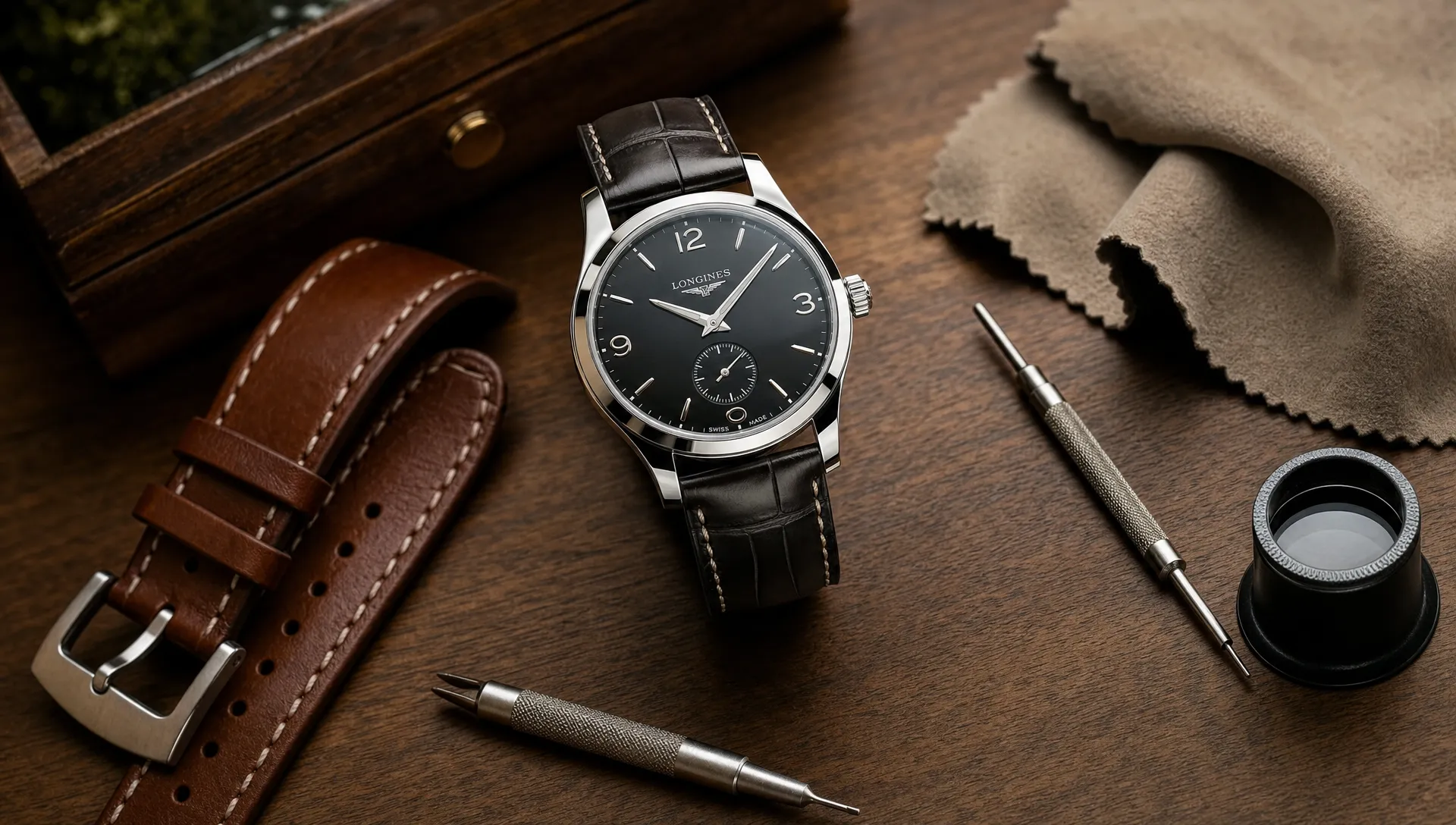 ## Buy condition as much as reference Two examples of the same model can have very different long-term prospects. Condition, originality, service history, and authenticity often matter more than a small difference in price. A heavily polished case may have lost the crisp geometry that collectors value. A replaced dial may be correct for service but less desirable than an original dial for certain references. A bracelet with stretch may need costly attention. A watch that has suffered moisture intrusion can become expensive even if it looks acceptable in listing photos. When evaluating a pre-owned luxury watch, focus on the following questions: - Is the watch authentic, and has it been inspected by qualified specialists? - Are the case, dial, hands, bezel, bracelet, and movement consistent with the reference and production period? - Is there a documented service history or recent inspection report? - Has the case been polished, and if so, was it done sympathetically? - Are box, papers, warranty cards, receipts, or service records included? - Does the seller provide meaningful buyer protections? Box and papers can add confidence and value, but they do not replace expert authentication. A complete set can still contain a watch with condition issues, and a watch without original accessories can still be an excellent purchase if properly inspected and priced accordingly. This is one reason many buyers prefer working with a specialist retailer rather than navigating private listings alone. At [Lume Wrist Watches](https://lumewrist.com), the focus is on curated pre-owned and collectible timepieces with certified authentication, in-house specialist inspection, concierge support, insured shipping, and buyer protections. ## Understand the total cost of ownership A lasting luxury watch is not a one-time expense. It is closer to owning a fine car, artwork, or heirloom jewelry. The purchase price is only part of the picture. You should budget for periodic servicing, insurance, straps, bracelet sizing, water resistance testing, and secure storage. Service costs vary widely depending on brand, movement complexity, case material, and whether restoration work is needed. A simple steel automatic may be relatively straightforward, while a perpetual calendar, chronograph, or ultra-thin precious metal watch can require more specialized care. If you are comparing several watches, total ownership cost can clarify the best choice. A slightly more expensive watch with stronger condition, recent service, and a reliable seller may be more sensible than a cheaper example that needs immediate work. For a deeper look at maintenance expectations, Lume’s guide to [luxury watch servicing intervals, costs, and maintenance](https://lumewrist.com/blog/luxury-watch-servicing-intervals-costs) explains how service planning affects long-term ownership. ## Think about value, but do not let resale dictate everything Long-term value matters, especially when buying a high-value watch. Some watches hold value better because of brand strength, limited supply, iconic design, precious metal content, or collector demand. However, treating every watch purchase as an investment can lead to sterile decisions. The strongest lifetime purchases usually balance emotional value with market logic. You want a watch you genuinely enjoy wearing, but you also want to avoid obvious liquidity traps. A recognizable model from a respected brand, in strong condition, with authentic parts and fair pricing, is generally easier to trade, sell, or pass down later. If your goal is to build a broader collection rather than choose one lifetime piece, consider how each purchase fits a long-term collecting philosophy. Lume’s article on [building a luxury watch collection](https://lumewrist.com/blog/building-luxury-watch-collection-definitive-guide) covers that strategy in more detail. ## Match the watch to your wrist, not the spec sheet Online research can narrow your choices, but it cannot replace fit. Diameter alone is misleading. A 39 mm watch with long lugs may wear larger than a 41 mm watch with a compact case. Thickness can make a watch feel top-heavy. Bracelet integration can determine whether it hugs the wrist or floats above it. Proportion is especially important for long-term satisfaction. If a watch feels elegant and balanced now, it is more likely to age well with your wardrobe and lifestyle. If it feels exaggerated today, it may feel even more exaggerated later. Pay attention to dial legibility, crown comfort, clasp adjustment, and how the watch sits under a cuff. These small details become significant over years of ownership. ## Create a maintenance routine from day one The easiest way to make a luxury wrist watch last for decades is to treat maintenance as part of ownership, not as an emergency response. Clean the case and bracelet gently with a soft cloth after wear, especially in warm weather. Avoid exposing the watch to unnecessary shocks, strong magnetic fields, harsh chemicals, and extreme temperature changes. If the watch is water resistant, rinse it with fresh water after exposure to saltwater, but only if the crown is fully secured and the watch is appropriate for water use. Have water resistance checked regularly if you swim with the watch. Service mechanical watches according to brand guidance, watchmaker recommendations, and actual performance. If accuracy changes suddenly, if the crown feels rough, or if condensation appears under the crystal, stop wearing the watch and seek professional help immediately. For storage, keep the watch in a dry, secure place. A watch box or safe is better than leaving it exposed on a bathroom counter or nightstand. If you own multiple pieces, keep records of purchase details, service dates, serial information, and photographs. ## A simple decade-proof checklist Before you commit, use this final filter. A watch does not need to satisfy every point perfectly, but the more boxes it checks, the more likely it is to remain satisfying over the long run. - The design has a proven history or genuinely timeless proportions. - The brand has a credible service network and strong market recognition. - The movement is serviceable and appropriate for your lifestyle. - The case, bracelet, dial, and hands are in condition you understand and accept. - The size and weight are comfortable for real wear, not just admiration. - The seller provides authentication, transparency, and buyer protections. - The total cost of ownership fits your budget beyond the purchase price. - You would still want the watch even if it were not trending. If you can answer yes to those points, you are much closer to choosing a watch that can accompany you for decades. ## Frequently Asked Questions **What type of luxury wrist watch lasts the longest?** A well-made mechanical watch from an established brand, especially one with a proven movement and strong service support, can last for generations with proper care. Durability also depends on condition, maintenance, and how the watch is worn. **Is stainless steel better than gold for a lifetime watch?** Stainless steel is usually more practical for daily wear because it is durable, versatile, and less prone to visible dents than softer precious metals. Gold can still be a superb lifetime choice if you prefer its warmth, heritage, and dressier character. **How often should a luxury watch be serviced?** Many mechanical watches are serviced roughly every several years, but the right interval depends on the brand, movement, age, usage, and performance. Water resistance should be checked more often if the watch is used for swimming. **Should I buy new or pre-owned if I want a watch for decades?** Both can be excellent. Pre-owned watches may offer access to discontinued models, better availability, and attractive pricing, but authentication and condition review are essential. A reputable seller with inspection standards and buyer protections is especially important. **Do box and papers matter?** Box and papers can support provenance and may improve resale value, but they are not a guarantee of condition or authenticity by themselves. Expert inspection remains essential, especially for high-value watches. ## Choose with confidence A watch that lasts for decades is built on more than prestige. It should fit your wrist, suit your life, come from a maker with long-term support, and be purchased in a condition that justifies confidence. If you are ready to compare authenticated pre-owned and collectible timepieces, explore the curated selection at [Lume Wrist Watches](https://lumewrist.com). Lume offers in-house specialist inspection, certified authentic watches, expert concierge support, free insured US shipping, 30-day returns, 2-year warranty coverage, and options for trade-ins, selling, and financing.