Patek Philippe Chronograph References: A Collector's Deep Dive
Published October 15, 2026 · Last updated October 17, 2026 · By Lume Wrist Watches Editorial Team
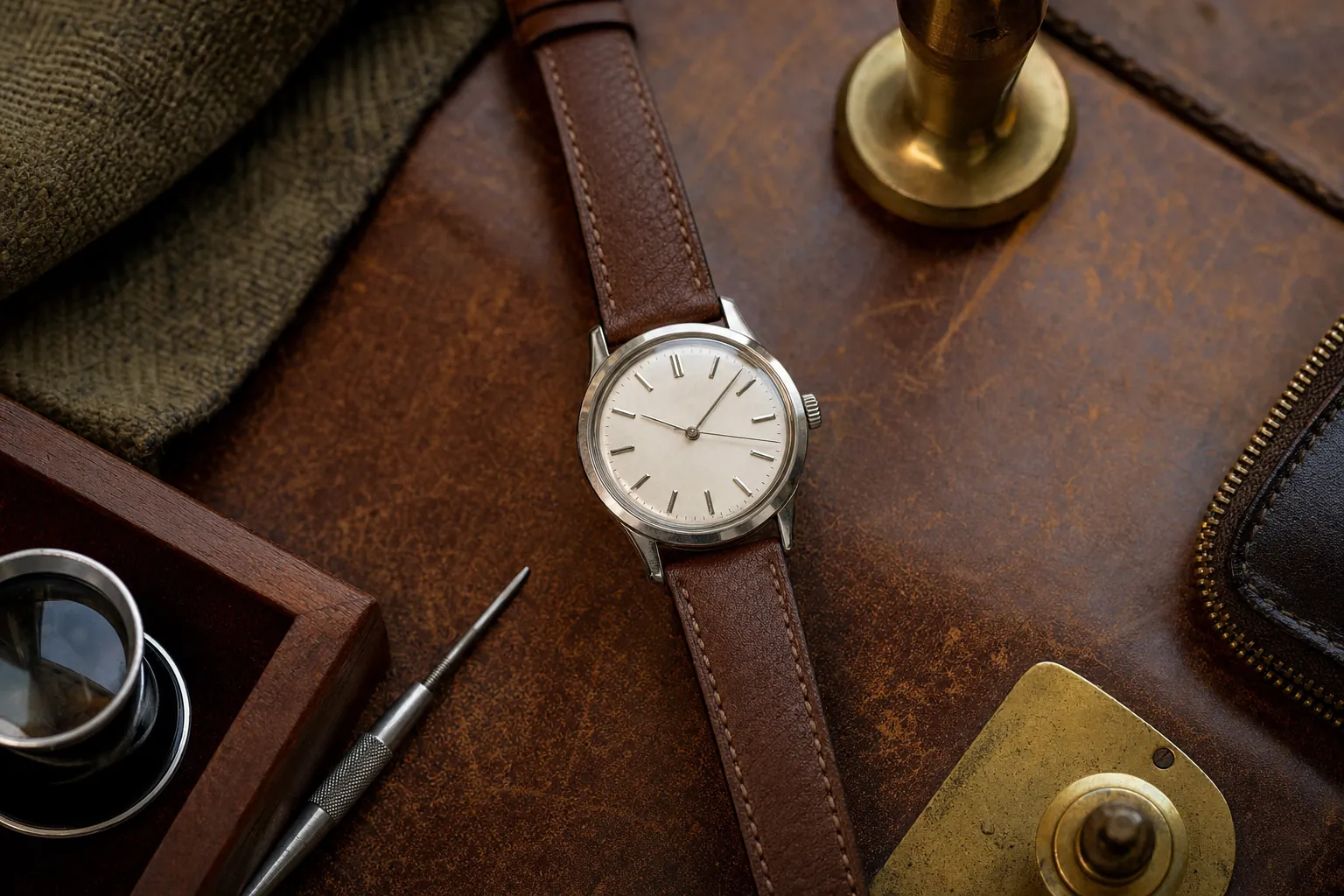
For discerning collectors, Patek Philippe chronograph references represent the pinnacle of horological achievement, blending mechanical complexity with unparalleled elegance. This comprehensive guide delves into the most significant Patek Philippe chronographs, from the revered vintage hand-wound models to the sophisticated modern complications, offering a detailed overview of their history, technical specifications, and market dynamics to inform your collecting journey.
The Patek Philippe Chronograph at a Glance: Production Years, Cases, Movements, Dial Variants
Patek Philippe's legacy in chronograph production is storied, dating back to the late 19th century. Early examples often featured outsourced movements before the brand began developing its own in-house calibers. Key periods include the 1930s-1970s, characterized by iconic references like the Calatrava Ref. 130 and Ref. 1518, followed by a period of integrating Lemania-based movements, culminating in the brand's resurgence of entirely in-house chronograph calibers in the 21st century.
Key Characteristics Across Eras:
- Vintage (pre-1980s): Typically smaller case sizes (33-36mm), often in yellow gold, rose gold, or platinum, with hand-wound movements. Dials exhibit a vast array of unique characteristics due to bespoke production and aging, from sector dials to pulsations scales. References like the Ref. 130, Ref. 530, and the groundbreaking Ref. 1518 (perpetual calendar chronograph) are highly sought after. These timepieces are central to understanding the Patek Philippe collector's guide: Investing in Horological Excellence.
- Transitional (1980s-2000s): Saw the introduction of larger case sizes and the widespread use of modified Lemania-based movements, such as the CH 27-70 PS found in the Ref. 3970 and Ref. 5070. These references marked a return to prominence for the chronograph complication after the Quartz Crisis, offering a blend of traditional Patek Philippe finishing with robust, reliable mechanics. The Ref. 5070, for example, reintroduced the pure chronograph complication in a larger, contemporary case.
- Modern (2005-Present): Defined by the complete shift to entirely in-house manufactured chronograph movements, commencing with the CH 28-520 IRM QA 24H in the Ref. 5960 and the CH 29-535 PS in the Ref. 5170. These movements showcase Patek Philippe's advanced technical prowess, often incorporating innovations like instantaneous jumping minutes and column-wheel control. Modern chronographs are available in a wider range of materials, including white gold, rose gold, and platinum, with diverse dial configurations.
Full Specification Table: Notable Patek Philippe Chronograph References
This table highlights several quintessential Patek Philippe chronograph references, illustrating their evolution.
| Reference | Production Years | Case Material | Case Diameter (mm) | Movement Caliber | Chronograph Type | Notable Features |
|---|---|---|---|---|---|---|
| :-------- | :-------------- | :------------ | :----------------- | :--------------- | :--------------- | :--------------- |
| Ref. 130 | 1930s-1960s | YG, RG, SS | 33-35 | 13''' / 13-130 (Valjoux-based) | Monopusher / Two-register | Classic dress chronograph, various dial styles |
| Ref. 1518 | 1941-1954 | YG, RG, PL | 35 | 13''' Q (Valjoux-based) | Perpetual Calendar Chronograph | First series production perpetual calendar chronograph |
| Ref. 530 | 1937-1960s | YG, RG, SS | 36.5-37 | 13''' / 13-130 (Valjoux-based) | Two-register | Larger case variant of the Ref. 130, often with pulsation scales |
| Ref. 2499 | 1951-1985 | YG, RG | 37.5 | 13''' Q (Valjoux-based) | Perpetual Calendar Chronograph | Successor to Ref. 1518, four series produced |
| Ref. 3970 | 1986-2004 | YG, RG, WG, PL | 36 | CH 27-70 Q (Lemania-based) | Perpetual Calendar Chronograph | Modern classic, bridge from vintage to in-house |
| Ref. 5070 | 1998-2009 | YG, WG, RG, PL | 42 | CH 27-70 PS (Lemania-based) | Two-register | First large-cased pure chronograph in decades, extremely popular |
| Ref. 5970 | 2004-2011 | WG, RG, PL | 40 | CH 27-70 Q (Lemania-based) | Perpetual Calendar Chronograph | Final Lemania-based perpetual calendar chronograph, highly acclaimed |
| Ref. 5170 | 2010-2019 | YG, WG, RG, PL | 39.4 | CH 29-535 PS (in-house) | Two-register | First pure hand-wound in-house chronograph, classic aesthetics |
| Ref. 5370 | 2015-Present | PL | 41 | CH 29-535 PS (in-house) | Split-Seconds Chronograph | Pure split-seconds, enamel dial, exquisite finishing |
| Ref. 5960 | 2006-Present | WG, RG, SS | 40.5-42 | CH 28-520 IRM QA 24H (in-house) | Annual Calendar Flyback Chronograph | First automatic in-house chronograph, innovative |
For more on the intricate mechanisms driving these masterpieces, explore Patek Philippe Movements: In-House Calibers & Horological Innovations.
Production Timeline and Dial/Bezel Variations
Patek Philippe chronographs are renowned for their subtle yet significant variations, which can drastically impact collectibility and value.
Early References (e.g., Ref. 130, Ref. 530)
- Production: 1930s-1960s. These early pieces often used outsourced ébauches from Valjoux, finished to Patek Philippe's exacting standards. The Caliber 13''' or 13-130 is frequently found.
- Dial Variations: Immense variety due to smaller production runs and bespoke requests. "Tasti Tondi" (round pushers) are common. Dials range from simple Arabic or Roman numerals to intricate pulsation, tachymeter, or telemeter scales. Early examples can feature sector dials, Breguet numerals, or unique applied markers. Dial signatures (e.g., "Patek Philippe & Co.") also evolved.
- Case Variations: Primarily round, but some rare examples feature more elaborate lugs or even square cases (e.g., Ref. 1579). Stainless steel examples are exceedingly rare and command significant premiums, as most production was in precious metals like yellow or rose gold.
Perpetual Calendar Chronographs (e.g., Ref. 1518, Ref. 2499, Ref. 3970, Ref. 5970)
- Ref. 1518 (1941-1954): The world's first perpetual calendar chronograph produced in series. Only 281 pieces made. Four known stainless steel examples exist. Its rarity and historical significance make it a grail watch. Different dial layouts exist across its production, often with dauphine hands.
- Ref. 2499 (1951-1985): Produced over four distinct series, each with subtle dial, case, and pusher variations. The third and fourth series introduced round pushers and a larger, more contemporary feel. Stainless steel versions are virtually mythical, with only two known examples. These references are central to understanding Patek Philippe Complications & Perpetual Calendars Explained.
- Ref. 3970 (1986-2004): Replaced the Ref. 2499, using the Lemania 2310-based CH 27-70 Q movement. Produced in three series, characterized by changes in caseback (solid, sapphire), dial (stick markers, applied numerals), and pusher styles. Available in yellow, rose, white gold, and platinum.
- Ref. 5970 (2004-2011): The final Lemania-based perpetual calendar chronograph. Its larger 40mm case and more contemporary design made it instantly popular. Short production run and stunning aesthetics cement its status as a modern classic.
Pure Chronographs (e.g., Ref. 5070, Ref. 5170, Ref. 5370)
- Ref. 5070 (1998-2009): The first pure chronograph from Patek Philippe since the 1960s and the first in a substantial 42mm case. Powered by the modified Lemania CH 27-70 PS. Initially in yellow gold, followed by white gold, rose gold, and platinum. Its large size and distinctive aesthetic made it a sensation.
- Ref. 5170 (2010-2019): Introduced Patek Philippe's first entirely in-house, hand-wound pure chronograph movement, the Caliber CH 29-535 PS. This movement features seven patented innovations. It returned to a more classic 39.4mm size, with initial variants (G-001, J-001) featuring Breguet numerals, later transitioning to applied batons (R-001). The 5170P (platinum) introduced a pulsometer scale, a nod to vintage medical chronographs.
- Ref. 5370 (2015-Present): A pure split-seconds chronograph (rattrapante) with a stunning black grand feu enamel dial and platinum case. Powered by the in-house CH 29-535 PS with an added split-seconds mechanism. This reference is a masterclass in high horology, focusing on the beauty and complexity of the split-seconds function without additional complications.
Wearing Experience and Sizing on the Wrist
Patek Philippe chronographs offer a diverse wearing experience, reflecting the brand's evolution in design and ergonomics.
- Vintage (e.g., Ref. 130, 1518): With diameters typically between 33mm and 36mm, these watches wear relatively small by modern standards. Their slim profiles, often under 10mm thick, ensure they slip easily under a cuff. The light weight of precious metals, especially on a leather strap, makes them incredibly comfortable for all-day wear. The classic proportions provide an understated elegance.
- Transitional/Larger (e.g., Ref. 5070): The 42mm Ref. 5070 marked a significant departure, offering a much more prominent wrist presence. Its larger pushers and thicker case (around 12.5mm) give it a sportier, more contemporary feel while retaining Patek Philippe's refined finishing. Despite its size, the lugs are well-proportioned, ensuring it doesn't overhang most wrists, making it an excellent choice for those who prefer modern sizing.
- Modern (e.g., Ref. 5170, 5370, 5960): Modern references balance classic Patek Philippe aesthetics with updated dimensions. The Ref. 5170 at 39.4mm strikes an ideal balance, offering a substantial presence without being overly large, appealing to both traditionalists and those seeking a modern fit. The Ref. 5370's 41mm platinum case is weighty and substantial, communicating its significant complexity, yet it remains incredibly comfortable due to its balanced design and exquisite finishing. The automatic Ref. 5960 (40.5mm to 42mm, depending on the version) is slightly thicker due to its automatic movement and annual calendar module, but its integrated design makes it sit well on the wrist.
Regardless of reference, Patek Philippe's attention to detail ensures a luxurious tactile experience, from the crisp action of the chronograph pushers to the suppleness of the alligator straps.
Market Pricing and Which Variants Command a Premium
The market for Patek Philippe chronographs is robust, driven by rarity, historical significance, and pristine condition. Prices vary wildly, reflecting the specific reference, metal, dial configuration, and provenance.
General Pricing Observations (Approximate Market Values, 2026):
- Vintage Pure Chronographs (e.g., Ref. 130, 530): Expect entry-level pieces in good condition to start from $80,000 to $150,000+. Rare dial variants (e.g., sector, two-tone, pulsation in steel) can easily exceed $300,000 to $1,000,000+. Steel examples, like the handful of known Ref. 530 steel pieces, are in the multi-million dollar range.
- Vintage Perpetual Calendar Chronographs (e.g., Ref. 1518, 2499): These are in a league of their own. A Ref. 1518 in yellow gold can fetch $500,000 to $1,500,000+, with rose gold being rarer and more expensive. Steel Ref. 1518s are some of the most expensive watches ever sold, reaching $11 million+. Ref. 2499s range from $300,000 (later series) to $1,500,000+ (earlier series, exceptional condition). Steel Ref. 2499s are in the multi-million dollar realm.
- Transitional Perpetual Calendar Chronographs (e.g., Ref. 3970, 5970): The Ref. 3970 typically ranges from $80,000 to $150,000+, with platinum models and specific dial variations (e.g., salmon dials, later series with applied indices) commanding the highest prices. The Ref. 5970 is highly sought after, with prices often starting at $180,000 to $350,000+, depending on metal and condition, often eclipsing its successor due to its short production and large fan base.
- Modern Pure Chronographs (e.g., Ref. 5070, 5170, 5370): The Ref. 5070 typically ranges from $120,000 to $250,000+, with platinum versions being the most valuable. The Ref. 5170 starts from $70,000 to $150,000+, with platinum (P) models and specific dial variants (e.g., salmon) often at the higher end. The Ref. 5370P is a high-complication piece, generally priced from $250,000 to $400,000+.
- Modern Automatic Chronographs (e.g., Ref. 5960): The stainless steel Ref. 5960/1A can command $80,000 to $120,000+, significantly more than its precious metal counterparts due to rarity and demand for steel Patek Philippe sports watches. Precious metal versions typically range from $60,000 to $100,000+.
Factors Driving Premium Pricing:
- Rarity: Limited production runs, unusual case materials (especially stainless steel), or unique dial configurations (e.g., sector dials, unique scales) create extreme demand.
- Condition: Original, unrestored condition (dial, hands, case) is paramount. Any signs of aggressive polishing or dial refinishing will significantly devalue a piece.
- Provenance: A strong ownership history, original box and papers, and an Extract from the Archives can add substantial value. Understanding how to obtain a Patek Philippe Extract from the Archives Explained: Essential Guide is crucial for collectors.
- Historical Significance: First-series perpetual calendar chronographs (Ref. 1518) or early examples of important complications are always highly prized.
For a broader understanding of how these values fit into the wider market, refer to How Much Does a Patek Philippe Cost in 2026? Pricing & Market Dynamics.
Authentication Checklist Specific to Patek Philippe Chronographs
Authenticating a Patek Philippe chronograph requires meticulous attention to detail and expert knowledge. Always consult with a trusted specialist and consider our in-house team independent authentication services.
1. Movement Verification: Caliber Number: Confirm the movement caliber matches the reference number and production era. For instance, a Ref. 5070 should house a CH 27-70 PS. For modern in-house movements, check the Geneva Seal or Patek Philippe Seal engraving. Finishing: Patek Philippe movements exhibit unparalleled hand-finishing. Look for Geneva stripes, polished anglage, perlage on baseplates, and polished screw heads with chamfered edges. Even Lemania-based movements were extensively re-finished by Patek Philippe. Serial Numbers: Cross-reference movement and case serial numbers with Patek Philippe's records via an Extract from the Archives. Chronograph Mechanism: Observe the column wheel and lever engagement. The action should be precise and crisp, without wobble or excessive play. In-house movements often have specific patented innovations (e.g., for instantaneous jump, oscillating pinion clutch) that can be visually confirmed by an expert.
2. Dial Examination: Printing: Patek Philippe dials feature incredibly sharp, precise printing, even on vintage pieces. Look for crisp fonts, evenly applied lacquer, and perfectly aligned sub-dials. Any smudging, unevenness, or fading (unless natural patination) is a red flag. Lume (if present): Ensure lume plots (if original) show appropriate aging for their era. Newer luminova should glow evenly. Check for re-lumed hands or markers. Signature: Verify the Patek Philippe signature matches the period of production. "Patek Philippe & Co." versus "Patek Philippe Geneva" are examples of historical changes. Sub-dials: Ensure chronograph sub-dials are correctly recessed and properly sized for the reference.
3. Case and Pushers: Hallmarks: Precious metal cases will have appropriate Swiss and Patek Philippe hallmarks. These should be crisp and correctly placed. Serial Numbers/Reference: Case numbers and reference numbers should be present and match records. These are often found inside the case back or between the lugs. Lugs: Examine the lugs for signs of over-polishing or damage. Original, sharp edges are desirable. For references with specific lug styles (e.g., tear-drop lugs on some vintage models), ensure they are correct. Pushers: Chronograph pushers should be correct in style (round, rectangular) and material for the specific reference. Their action should be smooth and firm.
4. Hands and Crystal: Hands: Verify hand styles (dauphine, leaf, baton) are correct for the specific dial and reference, and that their finish is impeccable. The chronograph hand should often have a counterweight that is specific to the model. Crystal: Confirm if the crystal is original (often plexiglass on vintage, sapphire on modern) or a correct replacement. Edges should be smooth and well-fitted.
This level of scrutiny is essential when acquiring high-value timepieces, especially for rare vintage examples. For a general guide on how to buy luxury watches, consider exploring Luxury Watch Investment & Market Guide: Navigating 2026.
Frequently Asked Questions
What is the most iconic Patek Philippe chronograph reference?
While many Patek Philippe chronographs are iconic, the Ref. 1518 perpetual calendar chronograph stands out as arguably the most important. As the world's first series-produced perpetual calendar chronograph, its historical significance and rarity make it a foundational piece in haute horology, influencing generations of complicated watches.
Are Patek Philippe chronographs a good investment?
Patek Philippe chronographs, particularly rare vintage models, limited editions, or those in highly sought-after metals like stainless steel, have historically proven to be strong investments. Their blend of exquisite craftsmanship, limited production, and brand prestige tends to maintain and often increase their value over time, though past performance does not guarantee future results.
What is the difference between a pure chronograph and a split-seconds chronograph?
A pure chronograph measures elapsed time with a single central seconds hand that can be started, stopped, and reset. A split-seconds (rattrapante) chronograph, like the Ref. 5370, features two central chronograph seconds hands. This allows for the timing of two separate events that start at the same time but end at different times, or for timing intermediate intervals, adding significant mechanical complexity.
Does Patek Philippe use in-house movements for all its chronographs?
As of the 21st century, Patek Philippe has largely transitioned to using entirely in-house movements for its chronographs. While historical models, including revered references like the 5070 and 5970, utilized heavily modified and finished Lemania ébauches, modern production focuses on calibers like the CH 29-535 PS and CH 28-520 IRM QA 24H, showcasing the brand's complete vertical integration.
How important is original paperwork for a Patek Philippe chronograph?
Original paperwork, such as the original certificate of origin and accompanying box, significantly enhances the value and authenticity of a Patek Philippe chronograph. It provides irrefutable proof of the watch's provenance, production date, and original specifications. For older models, obtaining a Patek Philippe Extract from the Archives is highly recommended to confirm authenticity and details.
Contact Lume Wrist Watches
For expert advice on Patek Philippe chronographs or to explore our curated selection, please reach out to our specialists.
- Email: sales@lumewrist.com
- Phone: +1 (332) 285-2190
- Boutique: 18 East 48th Street, Suite 1503, New York, NY 10017
- Hours: Mon–Fri 9:00 AM – 7:00 PM EST · Closed Saturday & Sunday
You can also visit our contact page or browse our shop.
Final Thoughts
Patek Philippe chronographs are more than mere time-telling instruments; they are horological masterpieces, representing the pinnacle of mechanical watchmaking, historical significance, and enduring value. From the timeless elegance of a vintage Ref. 130 to the technical prowess of a modern Ref. 5370P, each reference tells a story of innovation and unparalleled craftsmanship. Whether you are expanding an existing collection or making your first significant acquisition, the world of Patek Philippe chronographs offers a profound journey into the art of time. Discover your next heirloom among our curated collection of Patek Philippe timepieces, including exquisite models like the Patek Philippe Patek Philippe 3491 Yellow Gold, or perhaps a striking Patek Philippe Patek Philippe Twenty-4 (4910/1200A-001) for a modern touch, available in luxury watches in New York and shipped to luxury watches delivered to all 50 states. Explore our authenticated collection today, or utilize our concierge sourcing service to find that perfect, elusive piece.