Watch Collection Care: Insurance, Storage, and Maintenance in 2026
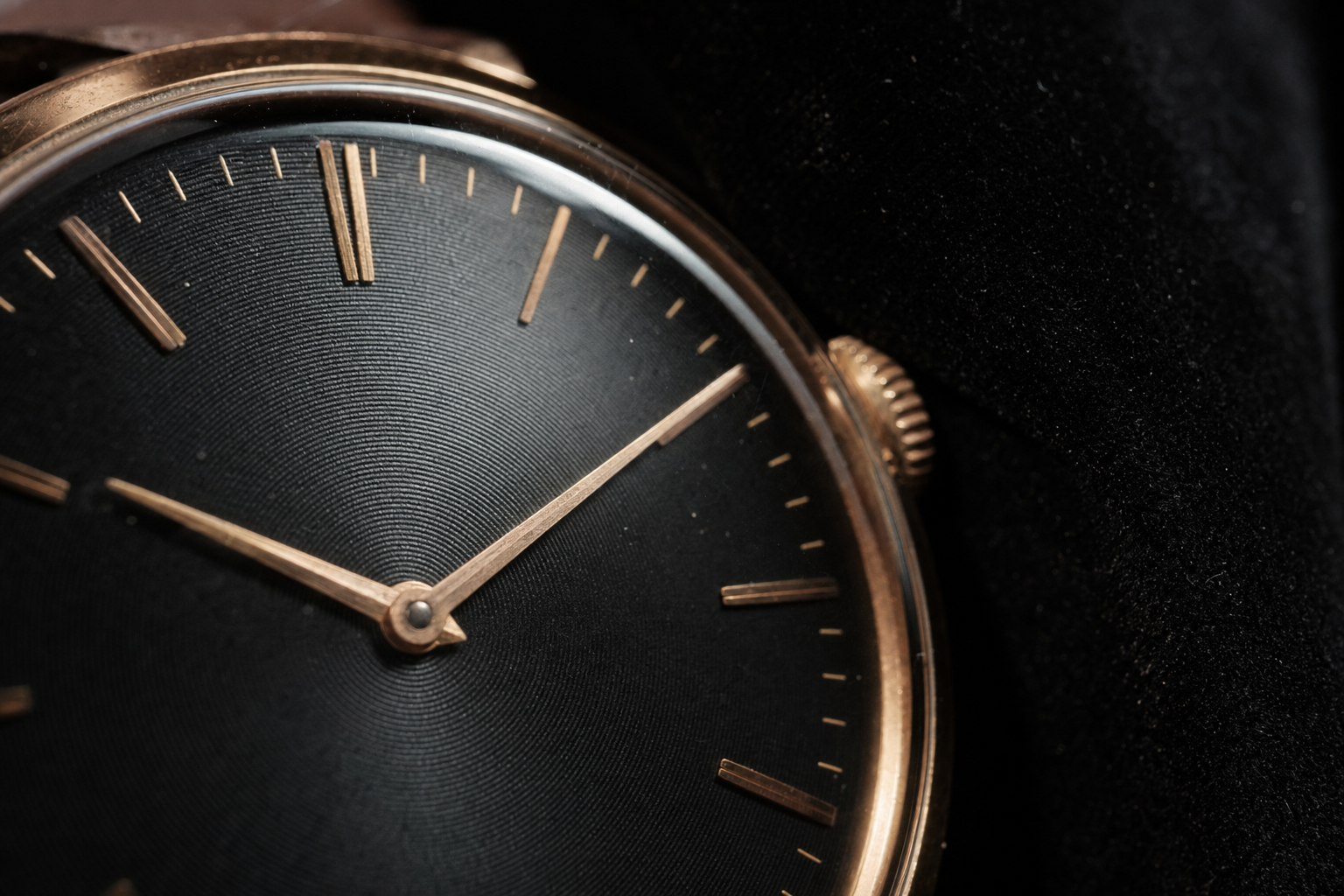
Secure your luxury watch investment. Explore essential insurance, optimal storage solutions, and expert care routines for your collection in 2026.
# Luxury Watch Collection Care: Insurance, Storage, and Maintenance in 2026 Protecting a valuable luxury watch collection in 2026 hinges on a tripartite strategy: comprehensive insurance, optimized storage, and diligent maintenance. Neglecting any of these pillars can lead to significant financial loss or accelerated depreciation, underscoring their equal importance for preserving both monetary value and horological integrity. This guide explores the nuanced approaches to safeguarding your cherished timepieces, ensuring they remain pristine and perform optimally for generations. ## Verdict Summary: Insurance, Storage, and Care — A Holistic Approach For any discerning collector, the 'verdict' is clear: a reactive approach to luxury watch ownership is a costly error. Proactive measures in insurance, storage, and regular servicing are not merely recommendations; they are indispensable elements of responsible stewardship. While the specifics will vary based on collection size, value, and individual risk tolerance, a robust strategy involves dedicated watch insurance, such as an all-risk personal articles policy, coupled with secure, environmentally controlled storage. Furthermore, adhering to manufacturer-recommended service intervals, typically every 3-7 years, is critical for mechanical longevity and accuracy, especially for complex movements or vintage pieces. Ultimately, protecting your luxury watches is an investment in their enduring value and your peace of mind. ## Side-by-Side Specification Table: Insurance & Storage Options Choosing the right protective measures involves understanding the distinct features and benefits of various options. This table outlines key specifications for common insurance and storage solutions. | Feature | Standard Homeowner's/Renter's Insurance (Jewelry Rider) | Dedicated Personal Articles Policy (P.A.P.) | Bank Safe Deposit Box | High-Security Home Safe (UL Rated) | Watch Winders (Automatic) | Static Storage (Boxes/Rolls) | |---------------------------|----------------------------------------------------------|---------------------------------------------|-----------------------|------------------------------------|---------------------------|----------------------------------| | **Coverage Type** | Limited (specific perils, low caps) | All-risk (theft, loss, damage, mysterious disappearance) | Physical security | Physical security | Movement maintenance | Physical protection/organization | | **Valuation Required** | Often for higher limits | Always, professional appraisal recommended | N/A | N/A | N/A | N/A | | **Deductible** | Typical | Often $0, or selectable | N/A | N/A | N/A | N/A | | **Premium Cost (Approx.)**| Moderate increase for rider | 1-2% of insured value annually (varies) | $50-$300/year | $500-$5,000+ (one-time) | $100-$2,000+ (one-time) | $50-$500+ (one-time) | | **Access** | Payout after claim | Payout after claim | Business hours, secure | 24/7 | 24/7 | 24/7 | | **Environmental Control** | No | No | Variable | Some models offer desiccant/humidity control | Minimal (depends on model) | Minimal (depends on box material)| | **Ideal Use Case** | Low-value, general coverage | High-value, comprehensive protection | Maximum security for very high-value/infrequently worn pieces | Secure home storage for frequently accessed pieces | Keeping automatic watches wound and ready | Organizing, travel, basic protection | | **Primary Benefit** | Basic financial safety net | Peace of mind, broad coverage | Ultimate theft deterrent | Convenient, high-level home security | Mechanical readiness | Organization, scratch prevention | ## Design and Wearability Compared: Care Considerations While "design and wearability" typically apply to the watches themselves, in the context of care, this section evaluates how a watch's design impacts its maintenance and storage requirements. Different aesthetic and functional choices necessitate varying levels of care. ### Case Materials and Finishes * **Stainless Steel (e.g., Rolex Oystersteel, IWC's proprietary alloys):** Highly durable and scratch-resistant, but not impervious. Brushed finishes can hide minor abrasions better than polished surfaces. Polished surfaces (e.g., on a [Rolex Serti Dial Rolex Submariner 16613 Steel & Gold](/product/used-serti-dial-rolex-submariner-16613-steel-gold)) are prone to hairline scratches but can be polished by a professional during service. **Care:** Regular cleaning with a soft cloth. Avoid abrasive materials. * **Precious Metals (Gold, Platinum):** Softer than steel, making them more susceptible to dents and deep scratches. Platinum, while denser, also scratches. **Care:** Handle with extreme care. Polishing should be done sparingly to preserve case lines and material thickness. * **Titanium (e.g., [IWC IWC Ingenieur Automatic 40 IW328904 Titanium](/product/pre-owned-iwc-ingenieur-autmatic-40-iw328904-titanium)):** Lighter and often more scratch-resistant than steel, especially if treated (e.g., grade 5 titanium). Some titanium alloys can develop a natural patina. **Care:** Generally robust. Minor scratches can sometimes be buffed out with specialized pads, but consult a professional. * **Ceramic:** Extremely hard and scratch-resistant, but brittle. A hard impact can cause it to shatter. **Care:** Highly resistant to wear from daily use, but guard against drops. ### Crystals: Sapphire vs. Hesalite * **Sapphire Crystal:** Standard in most modern luxury watches for its exceptional scratch resistance. Almost impossible to scratch in daily wear, but can chip or shatter with a sharp impact. **Care:** Requires minimal care beyond cleaning. * **Hesalite/Plexiglass:** Found in many vintage watches and some modern re-editions (e.g., Omega Speedmaster Professional reference 310.30.42.50.01.001). Softer and prone to scratches, but shatter-resistant and can be polished. **Care:** Regular use of Polywatch or similar plastic polish can remove minor scratches, preserving its vintage appeal. ### Straps and Bracelets * **Metal Bracelets:** Durable but can collect dirt and oils. **Care:** Clean regularly with mild soap and water (ensure water resistance rating allows). Check screws and spring bars periodically. * **Leather Straps:** Prone to wear, sweat, and moisture damage. Can degrade over time, affecting aesthetics and hygiene. **Care:** Avoid prolonged exposure to water, sweat, and direct sunlight. Clean with a damp cloth and specialized leather conditioner. Replace when worn out; a new strap can refresh an older watch. * **Rubber/NATO Straps:** Generally robust and water-friendly. **Care:** Easy to clean with soap and water. ## Movement and Accuracy Compared: Servicing Schedules The internal "engine" of a luxury watch, its movement, is a complex micro-machine requiring periodic attention to maintain its precision and longevity. The type of movement significantly influences its service intervals and care. ### Mechanical Movements (Automatic and Manual-Wind) These intricate mechanisms, comprising hundreds of tiny components, rely on lubricants that can degrade over time, impacting accuracy and causing wear. Brands like [Patek Philippe timepieces](/shop?brand=Patek%20Philippe) and [Audemars Piguet Royal Oaks](/shop?brand=Audemars%20Piguet) recommend regular servicing. * **General Recommendation:** Every 3 to 7 years. This interval ensures old oils are replaced, worn parts are inspected, and water resistance is re-sealed. Watches with specific complications (e.g., perpetual calendars, minute repeaters) may benefit from slightly more frequent checks. * **Signs of Needing Service:** Significant deviation from expected accuracy (+/- 10-30 seconds per day), reduced power reserve, winding resistance, or visible moisture under the crystal. * **Impact of Neglect:** Running a watch past its service interval can lead to increased friction, premature wear of critical components, and ultimately, more expensive repairs. ### Quartz Movements While far less complex mechanically, quartz watches still require maintenance, primarily battery replacement. * **Battery Replacement:** Typically every 2-5 years, depending on the caliber and power consumption. Always have this done by a reputable watchmaker to ensure proper sealing and battery type. * **Gasket Checks:** With every battery change, water resistance gaskets should be inspected and, if necessary, replaced to prevent moisture ingress. ### In-House vs. Ébauche Movements * **In-House Calibers (e.g., Rolex Caliber 3235, Omega Co-Axial Caliber 8800):** Often designed for easier servicing within the brand's own service centers, but can be proprietary, leading to higher service costs and longer turnaround times if specialized parts are needed. Many modern in-house movements, like Omega's Co-Axial calibers, boast extended service intervals (e.g., 8-10 years) due to reduced friction. * **Ébauche-based Movements (e.g., ETA 2824-2, Sellita SW200):** Often found in watches from brands like [Oris Oris Aquis Date Green Dial Calibre 400 Stainless Steel](/product/oris-aquis-date-green-dial-calibre-400-stainless-steel) (though Oris increasingly uses in-house Caliber 400 series). These are often more straightforward to service as parts are readily available to independent watchmakers, potentially lowering costs and wait times. ## Price and Value Retention Compared: The Cost of Neglect The financial implications of proper care are significant. While initial costs for insurance and servicing may seem high, they are often a fraction of the watch's value and crucial for value retention, a key consideration for the [Luxury Watch Investment & Market Guide: Navigating 2026](/blog/luxury-watch-investment-market-guide-2026). ### Insurance Premiums vs. Uninsured Loss * **Dedicated Personal Articles Policy:** Typically costs 1-2% of the insured value annually. For a collection valued at $100,000, this could be $1,000-$2,000 per year. This cost is negligible compared to the total loss of a single high-value piece like a Patek Philippe Nautilus or a rare [Rolex Resale Value: Which References Hold Price Best in 2026?](/blog/rolex-resale-value-which-references-hold-price-best-2026?) reference. * **Uninsured Loss:** Catastrophic. Theft, fire, or accidental damage to an uninsured watch can result in a 100% loss of investment. Standard homeowner's insurance offers minimal protection, often capped at $1,000-$2,500 for jewelry without a specific rider. ### Service Costs vs. Major Repair * **Routine Service (overhaul):** For a standard three-hand mechanical watch, expect approximately $400-$800 from a brand service center or authorized independent. Complications like chronographs, perpetual calendars, or minute repeaters can range from $800 to several thousands. These are predictable expenses. * **Major Repair (due to neglect):** If a watch runs dry, components can seize and wear, requiring replacement of expensive parts like mainsprings, gears, or escapement components. This can easily run into several thousands of dollars, often exceeding the cost of multiple routine services. ### Storage Costs vs. Damage Mitigation * **High-Quality Safe:** An investment of $1,000-$5,000+ provides significant protection against theft and fire, crucial for maintaining your assets, especially when considering [luxury watches in California](/watches/california) or [luxury watches in New York](/watches/new-york) where density of collectors is higher. * **Proper Watch Winders/Boxes:** Ranges from $100 to over $2,000 for multi-watch, climate-controlled units. These prevent scratches, protect from dust, and for automatics, keep lubricants moving, reducing wear from static storage start-ups. * **Damage from Poor Storage:** Scratches, dents, exposure to extreme humidity or temperature fluctuations can lead to rust, dial degradation, or reduced water resistance. These forms of damage negatively impact a watch's aesthetic appeal and market value, hindering its potential as an investment as discussed in [How to Read the Pre-Owned Luxury Watch Market Cycle in 2026?](/blog/reading-pre-owned-watch-market-cycle-2026). ## Who Should Prioritize Which — Three Clear Buyer Profiles Different collectors have distinct needs based on their collection's value, size, and their personal engagement with their watches. Here are three profiles: ### 1. The Discerning Investor (High-Value, Expanding Collection) This collector owns several high-value pieces, including rare vintage finds or modern complications, and views their watches as significant financial assets. Their portfolio may include pieces like a Patek Philippe Grand Complication or a vintage Rolex Daytona. * **Insurance Priority:** **Absolute necessity for a dedicated personal articles policy (P.A.P.)** with comprehensive all-risk coverage. Annual professional appraisals are critical to ensure accurate valuation. Consider adding a rider for watches traveling internationally. * **Storage Priority:** A **UL-rated, fire-resistant home safe** for frequently worn pieces, coupled with a **bank safe deposit box** for highly valuable, infrequently worn pieces. Climate control (humidity and temperature) within the home safe is highly recommended to prevent degradation of oils and materials. Quality watch winders for automatics to ensure they are always ready. * **Care Priority:** **Strict adherence to manufacturer service intervals** by authorized service centers. Maintain detailed service records. Avoid DIY repairs or non-authorized watchmakers to preserve originality and warranty. Regular cleaning and careful handling to prevent cosmetic damage. ### 2. The Enthusiast Collector (Mid-Value, Diverse Collection) This collector appreciates a range of brands and styles, perhaps owning a mix of entry-luxury (e.g., [Omega collection](/shop?brand=Omega)) and mid-tier independent pieces. Their focus is on enjoyment and long-term ownership. * **Insurance Priority:** Strongly recommend upgrading homeowner's/renter's insurance with a **scheduled personal property rider** that explicitly lists and values each watch. This provides better coverage than general limits without the full cost of a separate P.A.P., making it suitable for those with significant holdings but perhaps not six-figure individual pieces. Many collectors with a [luxury watches in Florida](/watches/florida) collection will opt for this middle-ground. * **Storage Priority:** A **mid-range, good-quality home safe** for security, augmented by well-made watch boxes or rolls for organization and scratch prevention. Consider a quality watch winder for 1-2 daily wear automatics. Ensure storage areas are free from extreme temperatures and direct sunlight. * **Care Priority:** Follow **general service guidelines (3-7 years)**. While authorized service centers are ideal, a highly reputable independent watchmaker with experience in your specific brands can be a cost-effective alternative for routine service. Learn basic cleaning techniques and invest in appropriate cleaning tools. ### 3. The Casual Owner (Single or Few Watches, Moderate Value) This individual owns one or two luxury watches, perhaps a cherished gift or a significant purchase like a [Cartier watches](/shop?brand=Cartier) Tank, worn regularly. The primary goal is protection from everyday risks. * **Insurance Priority:** **Review existing homeowner's/renter's policy** to understand jewelry limits. Consider adding a **small rider** for your most valuable watch if its value exceeds policy limits. The cost is usually minimal and provides crucial protection against theft or fire. * **Storage Priority:** A **simple, lockable jewelry box** or a **small personal safe** to deter opportunistic theft. Keep watches away from high-traffic areas and direct sunlight. When traveling, use a dedicated watch travel case to prevent damage. * **Care Priority:** **Adhere to basic cleaning practices** (soft cloth wipe-down after wear). Be mindful of water resistance limits; avoid showering or swimming with watches not rated for it. Schedule service if accuracy significantly deviates or water resistance is compromised. Find a trustworthy local jeweler or watchmaker for battery changes or minor repairs. ## Frequently Asked Questions ### Q: How often should I get my mechanical watch serviced? A: Generally, a mechanical watch should be serviced every 3 to 7 years. This ensures the lubrication remains effective, preventing premature wear on delicate components and maintaining accuracy. However, modern movements with advanced lubricants, like Omega's Co-Axial calibers, might extend this interval to 8-10 years, as highlighted in [Watchmaking Explained: Movements & Complications – A Collector's Guide](/blog/watchmaking-explained-movements-complications-collectors-guide). ### Q: Is a watch winder necessary for my automatic watches? A: Not strictly necessary, but highly convenient. A watch winder keeps your automatic watch wound and accurate when not on your wrist, so it's ready to wear without needing to reset the time and date. For watches with complex complications like a perpetual calendar or moon phase, a winder saves the effort of resetting them every time, as discussed in [Tourbillon, Perpetual Calendar, Minute Repeater: Horology's Grand Complications](/blog/tourbillon-perpetual-calendar-minute-repeater-grand-complications). ### Q: What's the best way to clean my luxury watch? A: For most water-resistant luxury watches, a soft, damp microfiber cloth can be used to wipe away dirt and fingerprints. For bracelets, a soft brush with mild soap and water can remove grime, ensuring the crown is fully secured beforehand. Always avoid harsh chemicals or abrasive materials, which can damage finishes or gaskets. ### Q: What should I do if my watch gets wet, and it's not supposed to? A: If your non-water-resistant watch (or one submerged beyond its rating) gets wet, immediately pull out the crown to stop the movement and prevent further damage. Do not try to dry it yourself with heat. Take it to a professional watchmaker as quickly as possible for inspection and repair to prevent rust and mold. ### Q: How do I get my watch appraised for insurance purposes? A: You should seek an appraisal from a certified gemologist appraiser or a reputable luxury watch dealer like Lume Wrist Watches, which offers valuation services. Provide all original paperwork, boxes, and service records if available, as these contribute significantly to the watch's assessed value. We can assist clients across [luxury watches delivered to all 50 states](/watches). ### Q: Are home safes secure enough for valuable watches? A: A high-quality, UL-rated home safe (e.g., UL TL-15 or TL-30) offers substantial protection against theft and fire. For very high-value or highly visible collections, a combination of a home safe for daily wearers and a bank safe deposit box for rare or infrequently worn pieces provides optimal security. Ensure the safe is properly anchored. ## Contact Lume Wrist Watches For expert advice on securing your collection, valuation services, or sourcing the perfect timepiece for your investment portfolio, reach out to Lume Wrist Watches. Our team of horological specialists is ready to assist you. Email: sales@lumewrist.com Phone: +1 (315) 413-9130 Boutique: 18 East 48th Street, Suite 1503, New York, NY 10017 Hours: Mon–Fri 9:00 AM – 7:00 PM EST · Closed Saturday & Sunday For more ways to connect, please visit [our contact page](/contact). You can also explore [our authenticated collection](/shop) directly. ## Final Thoughts The journey of luxury watch ownership extends far beyond the initial purchase; it encompasses a commitment to preservation. By meticulously planning for insurance, investing in proper storage, and adhering to diligent care and servicing routines, collectors not only protect their significant financial outlay but also safeguard the intricate artistry and emotional value each timepiece holds. This holistic approach ensures your watches endure, retaining their beauty and functionality for future generations, and maximizing their potential as enduring assets in the ever-evolving market. Begin securing your investment today and browse our [all featured maisons](/brands) for your next acquisition.