Which Luxury Watches Are Worth the Money?
Published August 15, 2026 · Last updated October 17, 2026 · By Lume Wrist Watches Editorial Team
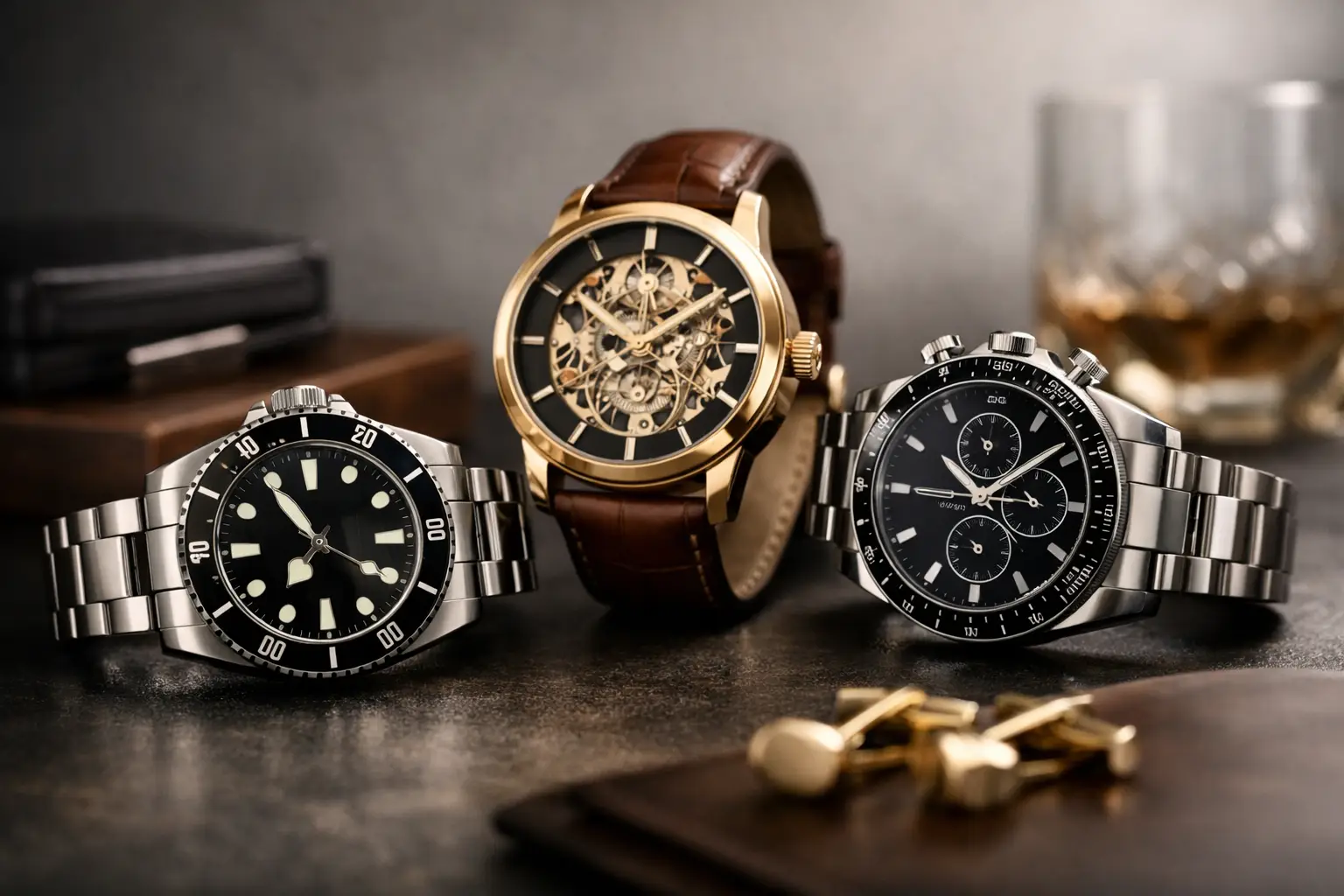
A luxury watch earns its place on the wrist long after the first impression. The case design, movement, history, and condition all matter, but so does the confidence that the watch is authentic, correctly represented, and protected after delivery. For buyers asking which luxury watches are worth the money, the right answer is not simply the most recognizable name. It is the right reference from an established manufacturer, purchased in the right condition and through a process built to verify it.
A well-chosen luxury watch can offer daily satisfaction, durable design, and a meaningful connection to mechanical craft. It can also hold broad market interest over time, though no watch should be purchased with an assumption of guaranteed appreciation. Value retention varies by reference, condition, production history, market demand, and the quality of its supporting documentation.
What Makes a Luxury Watch Worth the Money?
The strongest luxury watches combine four qualities: enduring design, credible engineering, established brand heritage, and a deep secondary market. A watch may be beautifully made yet still be a poor fit if it is difficult to service, overly niche, heavily altered, or hard to verify. Conversely, a respected reference with a well-documented history often gives the owner clearer long-term confidence.
The name on the dial matters because it usually reflects a manufacturer’s record of movement development, case construction, quality control, and service support. Rolex, Patek Philippe, Audemars Piguet, and Omega have each earned attention for different reasons. Their watches are not interchangeable, and the better choice depends on whether you prioritize daily wear, understated formal design, complicated horology, sport-watch heritage, or collectibility.
Condition is just as important as the model. A sharp case, original dial, correct handset, properly functioning movement, and honest service history may matter more than a small difference in year. Over-polishing, non-original components, moisture damage, and unclear provenance can materially change the ownership experience and market desirability.
Luxury Watches Worth the Money by Category
Rolex: Durable, recognizable, and highly versatile
Rolex is often the first serious luxury-watch purchase because the brand’s core references are designed for frequent wear. The Submariner, GMT-Master II, Daytona, Datejust, Day-Date, and Explorer are recognized across professional, social, and collecting settings. Their appeal is not limited to visibility. Rolex has built a reputation around practical case construction, reliable automatic movements, strong bracelet design, and reference continuity.
For a buyer who wants one watch to wear often, a Submariner or Datejust can be particularly compelling. The Submariner offers a purpose-built sport profile that works beyond the water, while the Datejust provides a more adaptable option for business attire and everyday use. The Explorer is a quieter choice for those who prefer restrained proportions and a clear, legible dial.
The trade-off is that popular Rolex references can attract considerable demand, and not every example deserves the same consideration. Verify the precise reference, configuration, condition, and included accessories rather than buying based on the brand alone.
Patek Philippe: Traditional watchmaking with lasting relevance
Patek Philippe appeals to buyers who value finishing, elegant proportions, and a long-standing tradition of complicated mechanical watchmaking. The Calatrava remains a defining dress watch: thin, balanced, and intentionally understated. For collectors seeking a sportier expression, the Nautilus and Aquanaut have distinct design identities and substantial market visibility.
A Patek Philippe is worth serious consideration when the buyer values refinement over overt utility. Many references reward close inspection: the dial work, case details, movement architecture, and fit on the wrist are central to the experience. The brand is particularly suited to an owner who wants a watch with formal range and generational design appeal.
The trade-off is that delicate finishing and dress-oriented construction call for thoughtful wear. A finely finished precious-metal Calatrava is not the same proposition as a steel tool watch. Service records, case integrity, and originality deserve careful attention.
Audemars Piguet: A defining modern luxury sport watch
The Royal Oak is one of the most influential luxury-sport-watch designs ever produced. Its octagonal bezel, integrated bracelet, exposed screws, and distinctive dial have made it immediately identifiable without relying on a traditional round-watch formula. It suits buyers who want high-end finishing with a more architectural, contemporary presence.
Audemars Piguet is especially compelling for collectors who appreciate the details that distinguish fine watchmaking: bracelet articulation, hand-finishing, case transitions, and dial texture. Royal Oak references exist in a wide range of sizes, materials, and complications, so wrist fit should be a primary consideration rather than an afterthought.
The trade-off is wear sensitivity. The Royal Oak’s broad brushed surfaces and intricate bezel finishing can show marks more readily than a conventional polished-and-brushed sport watch. A careful condition assessment matters, especially on the bracelet and bezel edges.
Omega: Technical history and daily-wear confidence
Omega offers a strong route into serious Swiss watchmaking for buyers who want documented heritage and technical depth. The Speedmaster Professional is closely tied to spaceflight history and remains one of the most important manual-wind chronographs. The Seamaster collection brings diving heritage, modern materials, and practical water resistance to everyday sport-watch wear.
The Speedmaster is worth consideration for the buyer who enjoys a watch with a tactile routine. Winding it by hand, operating the chronograph, and reading its straightforward dial are part of the ownership experience. The Seamaster is a logical alternative for someone who wants automatic convenience and a more water-oriented design.
Omega’s wide catalog is a strength, but it makes reference knowledge important. Dimensions, movement generations, dial variants, bracelet options, and production eras can significantly affect how a watch wears and what it represents to a collector.
How to Decide Which Luxury Watches Are Worth the Money for You
Start with use, not hype. A watch intended for daily office wear may call for a Datejust, Aqua Terra, or Calatrava. A travel-oriented owner may favor a GMT-Master II. Someone building a small, versatile collection may prefer a durable steel sport watch first, then add a dress watch or chronograph later.
Next, examine the specific watch rather than relying on catalog images. Ask whether the case has retained its original shape, whether the dial and hands are appropriate to the reference, whether the bracelet has excessive stretch or damage, and whether the movement has been assessed. Originality can be nuanced, particularly with vintage watches, where correct period components and honest aging may be desirable. The key is accurate disclosure.
Documentation adds useful context but should not replace physical verification. A box, papers, and service records can help establish a watch’s history, yet the watch itself must still be authenticated and inspected. For higher-value purchases, a seller’s process should be clear: who evaluates the watch, what condition standard is used, how shipment is protected, and what happens if the watch is not right for you.
Purchase Protection Is Part of the Value
A luxury watch is not worth the money if uncertainty follows it home. Private transactions and lightly documented listings can leave buyers to resolve questions about authenticity, condition, shipping loss, or mechanical performance on their own. Those risks deserve real weight in a high-consideration purchase.
A professional retail process should make the transaction easier to evaluate. Look for in-house certification, detailed condition representation, insured shipping, a defined return period, and meaningful warranty coverage. These safeguards do not change the design or pedigree of the watch, but they change the quality of the purchase experience.
At Lume Wrist Watches, authenticated, in-house certified timepieces are supported by free insured US shipping, a 30-day return window, and a two-year warranty. For a buyer comparing a significant purchase, those terms provide a clearer framework than a handshake and a few photos.
The Better Question Than “Is It Worth It?”
The better question is whether a particular watch justifies its place in your life and collection. A Rolex that is worn several days a week, a Patek Philippe chosen for its quiet finishing, an Audemars Piguet that delivers a distinct design language, or an Omega tied to a genuine technical story can all be worth the money for different reasons.
Choose the reference you will enjoy wearing, verify the details that protect its integrity, and give the purchase safeguards the same attention you give the dial.