Audemars Piguet Royal Oak Materials: Steel, Gold, Titanium & Beyond
Published October 19, 2026 · Last updated October 20, 2026 · By Lume Wrist Watches Editorial Team
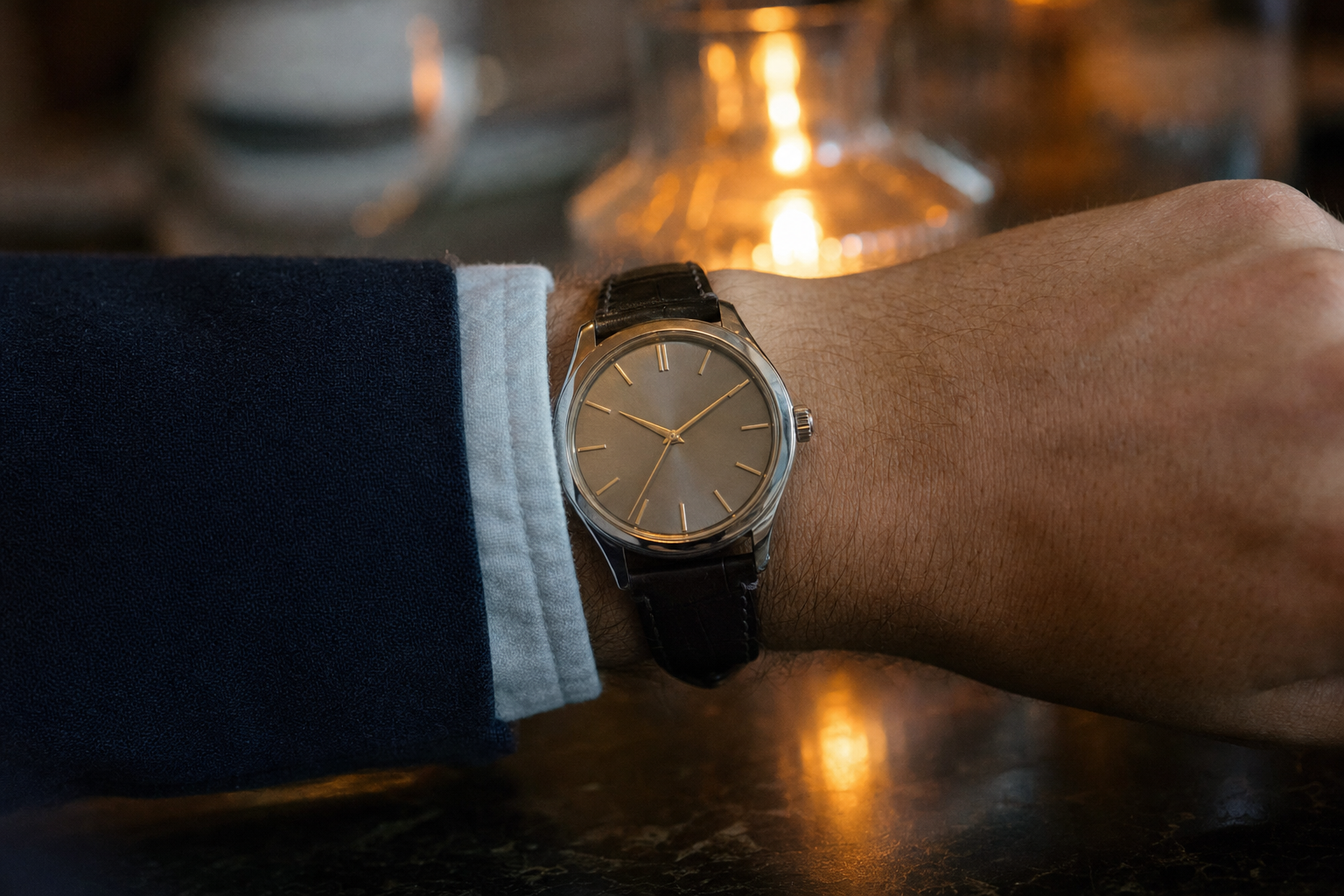
The Audemars Piguet Royal Oak, an icon of modern watchmaking, owes much of its enduring allure and groundbreaking status to its innovative use of materials, challenging conventions from its 1972 debut in steel. This article delves deep into the diverse range of materials that have shaped the Royal Oak's legendary identity, from its revolutionary origins to its contemporary expressions in exotic alloys and high-tech composites.
Why This Maison Matters
Audemars Piguet stands as one of the oldest Swiss watch manufacturers still owned by its founding families, a testament to its unwavering commitment to independent horological artistry. Renowned for pushing boundaries in design, movement complexity, and material innovation, AP occupies a rarefied echelon within haute horlogerie. The Royal Oak, its undisputed flagship, famously democratized luxury by elevating stainless steel to a noble material in high watchmaking. This maison is for the discerning collector who values audacious design, meticulous craftsmanship, and a rich historical narrative, often demonstrated through pieces like the Audemars Piguet Royal Oak Offshore Automatic Ivory Grid Dial or the classic Audemars Piguet Audemars Piguet Royal Oak 6007SA Gray Dial Steel & Yellow Gold.
Brand History and Defining Milestones with Dates
Audemars Piguet's history is punctuated by pivotal moments of innovation and daring. Its material journey, particularly with the Royal Oak, is a central theme.
- 1875: Jules Louis Audemars and Edward Auguste Piguet establish their workshop in Le Brassus, Vallée de Joux, Switzerland, specializing in complex movements.
- 1882: Introduction of the Grand Complication pocket watch.
- 1925: Production of the thinnest pocket watch calibre (1.32mm).
- 1934: Creation of the first skeletonized pocket watch.
- 1972: The Royal Oak is launched. Designed by Gerald Genta, it became the world's first luxury sports watch in stainless steel. Its octagonal bezel, visible screws, and integrated bracelet challenged prevailing norms, immediately making steel a material synonymous with high-end horology. This bold move repositioned what a luxury watch could be.
- 1993: Introduction of the Royal Oak Offshore. This 'oversized' version pushed material boundaries further, incorporating rubber, carbon, and titanium alongside traditional metals, solidifying AP's reputation for material exploration and robust, modern design. Consider the Audemars Piguet Audemars Piguet Royal Oak Offshore Chronograph Blue Ceramic for an example of this modern material approach.
- 2008: Launch of forged carbon. Audemars Piguet pioneers the use of forged carbon in watch cases, particularly for the Royal Oak Offshore, offering an exceptionally light yet durable material with a distinctive aesthetic.
- 2016: Introduction of Frosted Gold. Collaborating with jewelry designer Carolina Bucci, AP applies an ancient Florentine technique to gold Royal Oak models, creating a shimmering, diamond-dust effect without using actual diamonds. This demonstrated a new artistic application of a traditional precious metal.
- 2017: Black Ceramic Royal Oak Perpetual Calendar. A landmark achievement, showcasing AP's mastery of machining and finishing this incredibly hard, scratch-resistant material for the Royal Oak's complex angular case.
- 2018: Introduction of titanium as a primary Royal Oak material, particularly in new complications and models, offering a lightweight and hypoallergenic alternative.
- 2022: 50th Anniversary of the Royal Oak. Audemars Piguet releases a new generation of Royal Oak models with updated movements and refined aesthetics, continuing to explore diverse material combinations.
Every Current Collection Explained, with Signature References
The Audemars Piguet Royal Oak family encompasses various iterations, each leveraging different materials to achieve distinct aesthetics and functionalities. While the core design remains, the choice of material fundamentally alters the watch's character, weight, and wearability. We're focusing here on the Royal Oak's material diversity.
The Classic Royal Oak (Including "Jumbo" Extra-Thin)
These are the direct descendants of the original 1972 model, characterized by their slender profiles and iconic integrated bracelet. While originally stainless steel, they are now offered in an array of metals.
- Stainless Steel (e.g., Ref. 16202ST, 15510ST): The quintessential Royal Oak. Steel models offer robustness and a more understated elegance compared to precious metals. The Grade 316L stainless steel used is meticulously hand-finished, featuring alternating satin brushing and polished bevels – a hallmark of AP's craftsmanship, often detailed in articles like Audemars Piguet Royal Oak: Case Finishing & Tapisserie Dial Guide.
- Pink Gold / Yellow Gold (e.g., Ref. 16202OR, 15510OR): Luxurious and commanding, gold Royal Oaks elevate the design to a different level of prestige. The weight and warmth of gold are unmistakable, signaling opulence. These are often paired with matching gold bracelets or alligator straps.
- Platinum (e.g., Ref. 16202PT): The rarest and heaviest of the precious metal Royal Oaks, platinum offers a subtle, cooler sheen than white gold and exceptional density. Platinum models are typically limited editions or special releases, highly sought after by collectors.
- Titanium (e.g., Ref. 26730TI, 15510TI): A modern material choice, titanium provides exceptional lightness and hypoallergenicity, making it incredibly comfortable for daily wear. Its characteristic darker, matte gray finish lends a more tool-watch aesthetic, though still executed with AP's high-level finishing. This is often chosen for perpetual calendars or chronographs to reduce overall weight.
- Frosted Gold (e.g., Ref. 15452OR, 15452BC): Available in pink gold or white gold, these models feature a unique, shimmering finish achieved through a Florentine technique that creates tiny indentations on the surface, giving the impression of diamond dust. This finish adds a distinctive tactile and visual dimension to the classic design.
Royal Oak Offshore
The "Beast" of the family, the Offshore introduced larger sizes and more rugged designs, making it a playground for advanced material experimentation.
- Stainless Steel (e.g., Ref. 26420SO, 26238ST): Still a staple, but the steel is often combined with rubber, ceramic, or forged carbon elements in the bezel, pushers, and crown for a sportier look.
- Pink Gold / Yellow Gold (e.g., Ref. 26420RO, 26238BA): Gold Offshores offer a bold statement, often contrasting the precious metal case with black or blue ceramic bezels and rubber straps for a high-luxury sports appeal.
- Titanium (e.g., Ref. 26420TI, 26238TI): A prevalent material for Offshore models, titanium's lightness is particularly advantageous in larger case sizes, enhancing comfort without sacrificing durability. Its stealthy appearance aligns well with the Offshore's aggressive design.
- Ceramic (e.g., Ref. 26238CE, 26405CE): AP has been a leader in ceramic watchmaking. Black, white, blue, and green ceramic Royal Oak Offshore models are highly scratch-resistant and offer a striking, monochrome aesthetic. Machining and finishing ceramic to AP's standards, especially for the intricate Royal Oak case geometry, is incredibly challenging and represents a significant technical feat. This material offers superb scratch resistance and a unique visual depth.
- Forged Carbon (e.g., Older Offshore models like Ref. 26400SO): Pioneered by AP, forged carbon creates a distinct marbled pattern, making each watch unique. It's exceptionally light and strong, giving the Offshore a high-tech, stealthy appearance.
- Cermet (e.g., Older Offshore models like Ref. 26164SN): A unique composite material (ceramic + metal) used by AP, Cermet offers extreme hardness and lightness. It has a distinctive dark, metallic sheen.
Royal Oak Concept
These experimental models push the boundaries of materials, complications, and design, often featuring cutting-edge alloys and composites.
- Titanium, Ceramic, Forged Carbon, Platinum, Gold: The Concept series frequently blends these materials, sometimes in unique combinations or with innovative finishes, to create watches that are horological and material testaments.
Movements and In-House Calibers Used Across the Range
The choice of material for a Royal Oak case often complements the horological artistry within. Audemars Piguet is celebrated for its in-house movements, meticulously decorated and engineered. For a deeper dive into the specific calibers, refer to AP Royal Oak Movement Calibers: Deep Dive & Horological Analysis.
Key movements, regardless of case material, often include:
- Calibre 7121: The new generation self-winding movement for the "Jumbo" Extra-Thin, replacing the iconic Calibre 2121. This movement features a larger barrel for a 55-hour power reserve and a modern instant-jump date.
- Calibre 4302: A contemporary self-winding movement used in 41mm Royal Oak Selfwinding models (e.g., Ref. 15510). It offers a 70-hour power reserve and a frequency of 28,800 vph (4 Hz).
- Calibre 4401: An integrated column-wheel chronograph movement with flyback function, found in Royal Oak and Royal Oak Offshore Chronographs (e.g., Ref. 26240, 26420). This sophisticated caliber ensures precise timing and a smooth pusher feel.
- Calibre 5134: The self-winding perpetual calendar movement, renowned for its slimness and complex calendar indications, used in Royal Oak Perpetual Calendar models, often cased in materials like ceramic or titanium.
The material chosen for the external case and bracelet doesn't just define aesthetics; it also impacts the overall weight and acoustic properties of the watch, subtly influencing how the movement's presence is perceived on the wrist.
Price Tiers Today: Entry, Core, and Grail, With Realistic Ranges
The material directly influences the market value and pricing of an Audemars Piguet Royal Oak. Prices are approximate and fluctuate based on condition, rarity, market demand, and the specific reference. These are estimated current market observations for pre-owned pieces and do not represent MSRP.
| Material Category | Entry-Level Range (Approx.) | Core Range (Approx.) | Grail/High Complication Range (Approx.) |
|---|---|---|---|
| :------------------ | :-------------------------- | :----------------------------- | :-------------------------------------- |
| Stainless Steel | $35,000 - $60,000 | $60,000 - $120,000 | $120,000 - $300,000+ |
| Titanium | $45,000 - $70,000 | $70,000 - $150,000 | $150,000 - $400,000+ |
| Gold (Pink/Yellow) | $60,000 - $100,000 | $100,000 - $250,000 | $250,000 - $800,000+ |
| Frosted Gold | $70,000 - $120,000 | $120,000 - $300,000 | $300,000 - $500,000+ |
| Ceramic | $80,000 - $150,000 | $150,000 - $400,000 | $400,000 - $1,000,000+ (Perpetual Calendars) |
| Platinum | $150,000 - $300,000 | $300,000 - $600,000 | $600,000 - $1,000,000+ (Limited Editions) |
| Forged Carbon/Cermet | $40,000 - $80,000 | $80,000 - $200,000 | $200,000 - $500,000+ |
- Entry-Level: Typically refers to earlier Royal Oak Offshore models in steel or titanium, or some smaller Royal Oak Selfwinding models (e.g., 34mm or 37mm). These still represent a significant investment but offer access to the AP Royal Oak experience.
- Core Range: This includes the most popular 39mm and 41mm Royal Oak Selfwinding models in steel and gold, as well as mainstream Royal Oak Offshore Chronographs in various materials. This segment often features models with high demand, influencing values as discussed in How Much Does an Audemars Piguet Royal Oak Cost in 2026?.
- Grail/High Complication Range: This tier encompasses highly sought-after "Jumbo" Extra-Thin models, perpetual calendars in ceramic or platinum, tourbillons, minute repeaters, and extremely limited editions or Concept pieces. These are often made from the most exclusive and difficult-to-work materials, signifying ultimate luxury and horological complexity. For example, a platinum Royal Oak Perpetual Calendar can easily exceed $300,000.
What to Check Before Buying Pre-Owned From This Maison
When investing in a pre-owned Audemars Piguet Royal Oak, especially given the diverse materials, thorough diligence is crucial. Here are key considerations:
1. Authenticity: Always verify the watch's authenticity. Audemars Piguet watches are heavily counterfeited. Look for proper hallmarks, serial numbers, and meticulous finishing. Our inspection process process is designed to safeguard your purchase. Refer to resources like Forensic Techniques: Detecting Fake Luxury Watches in 2026 for more insights. 2. Case and Bracelet Condition: This is paramount for a Royal Oak, where the integrated bracelet and angular case are defining features. Examine the alternating brushed and polished finishes. Any over-polishing can severely diminish value. Look for sharp, crisp edges. Dents or deep scratches, particularly on materials like ceramic or forged carbon, can be very difficult or impossible to repair without costly part replacement. Pay close attention to the screws on the bezel and bracelet links. 3. Material-Specific Wear: Each material has unique wear characteristics: Steel/Gold/Platinum: Look for signs of over-polishing which can soften the famous sharp lines. Scratches are common but deep gouges are problematic. Titanium: Generally resilient, but its surface can scratch. Scratches tend to blend more easily than on polished steel or gold. Ceramic: Highly scratch-resistant, but brittle. Chips or cracks are severe and expensive to repair or replace components (bezels, cases). This is a critical check. Frosted Gold: The unique frosted texture can be delicate. Ensure it hasn't been buffed out or damaged, which would require specialized re-finishing. * Forged Carbon: Its marbled surface can hide minor imperfections, but check for any delamination or significant impact damage. 4. Movement Service History: A robust service history from Audemars Piguet or an authorized specialist is vital. This ensures the intricate movement is functioning optimally. Consider the advice in Audemars Piguet Royal Oak Maintenance & Service Guide 2026. 5. Box and Papers: Original box, warranty card, and provenance significantly add to value and peace of mind. These documents often confirm the original material specification. 6. Seller Reputation: Purchase only from reputable dealers with a strong track record and authentication guarantees. Lume Wrist Watches offers fully authenticated luxury watches in New York and ships luxury watches delivered to all 50 states.
Current Authenticated Stock at Lume Wrist Watches
Lume Wrist Watches is proud to offer a curated selection of authenticated Audemars Piguet Royal Oak timepieces, showcasing the brand's mastery of materials and design. Our inventory frequently updates, so check back often for new arrivals. Here are a few examples from our current Audemars Piguet Royal Oaks collection:
- Audemars Piguet Audemars Piguet Royal Oak Diamond Bezel Silver-Tone Dial: A stunning example featuring steel and diamond embellishments.
- Audemars Piguet Audemars Piguet Royal Oak Offshore Automatic Ivory Grid Dial: A robust steel Offshore with a distinctive dial.
- Audemars Piguet Audemars Piguet Royal Oak 6007SA Gray Dial Steel & Yellow Gold: A classic bi-metal combination highlighting steel and yellow gold.
- Audemars Piguet Audemars Piguet Royal Oak Offshore Chronograph Blue Ceramic: An exquisite piece showcasing AP's expertise in high-tech ceramic.
Explore our entire Audemars Piguet at Lume Wrist Watches collection and our authenticated collection for other exceptional timepieces.
Frequently Asked Questions
What are the main material types used in Audemars Piguet Royal Oak watches?
The primary materials include stainless steel, various types of gold (yellow, pink, white), platinum, titanium, ceramic (black, white, blue, green), and historically, forged carbon and Cermet. Each material offers distinct aesthetic, tactile, and practical qualities, influencing the watch's character and durability.
Why is stainless steel Royal Oak often more expensive than gold models?
While gold is inherently more valuable as a raw material, the stainless steel Royal Oak "Jumbo" Extra-Thin (particularly references like 15202ST or 16202ST) often commands higher prices due to its historical significance, extreme demand, and limited production. The scarcity and iconic status of the original steel design drive its market value, sometimes exceeding precious metal counterparts.
Is a ceramic Royal Oak more durable than a steel one?
A ceramic Royal Oak is significantly more scratch-resistant than a steel one, making it appear newer for longer. However, ceramic is also more brittle and susceptible to chipping or shattering if subjected to a sharp impact, whereas steel might dent but is less likely to fracture. Each material presents a different balance of durability characteristics.
What are the benefits of a titanium Royal Oak?
Titanium Royal Oaks offer several key advantages: they are significantly lighter than steel or gold models, enhancing wearing comfort, especially for larger Royal Oak Offshore pieces. Titanium is also hypoallergenic, making it ideal for those with metal sensitivities, and it has a unique, subtle gray luster that offers a more stealthy and modern aesthetic.
How does Frosted Gold differ from regular gold Royal Oak models?
Frosted Gold Royal Oaks feature a unique finish achieved by hammering the gold surface with a diamond-tipped tool, creating a myriad of tiny indentations. This technique, derived from ancient Florentine jewelry making, gives the watch a distinctive shimmering, sparkling effect, akin to diamond dust, without using actual diamonds. This contrasts with the smooth, polished, and brushed surfaces of standard gold Royal Oaks.
What is Cermet, and where was it used in the Royal Oak series?
Cermet is a composite material combining ceramic and metallic properties, specifically developed by Audemars Piguet for extreme hardness and lightness. It offers exceptional scratch resistance and a unique dark, almost gunmetal grey finish. Cermet was notably used in select Royal Oak Offshore models, such as the bezel on the Royal Oak Offshore Rubens Barrichello II (Ref. 26078RO) and some later Offshore cases, before AP's broader adoption of full ceramic cases.
Contact Lume Wrist Watches
Ready to find your perfect Audemars Piguet Royal Oak? Our experts are here to assist you.
- Email: sales@lumewrist.com
- Phone: +1 (332) 285-2190
- Boutique: 18 East 48th Street, Suite 1503, New York, NY 10017
- Hours: Mon–Fri 9:00 AM – 7:00 PM EST · Closed Saturday & Sunday
Visit our contact page for more information or browse our shop for available pieces.
Final Thoughts
The Audemars Piguet Royal Oak's material journey is a testament to the brand's relentless pursuit of innovation and distinctive design. From its audacious steel origins that redefined luxury sports watches to its contemporary expressions in exotic ceramic, ultra-light titanium, and shimmering Frosted Gold, each material choice imbues the iconic octagonal design with a unique personality and wearability. Understanding these nuances is crucial for any discerning collector, as the material profoundly impacts the watch's aesthetic, feel, durability, and ultimately, its value. Whether seeking the classic gravitas of steel, the warmth of gold, or the futuristic appeal of ceramic, the Royal Oak offers a material for every preference, all united by Audemars Piguet's uncompromising craftsmanship. Explore the possibilities and discover your ideal Royal Oak in our curated selection at Lume Wrist Watches.