Forensic Techniques: Detecting Fake Luxury Watches in 2026
Published October 18, 2026 · Last updated October 20, 2026 · By Lume Wrist Watches Editorial Team
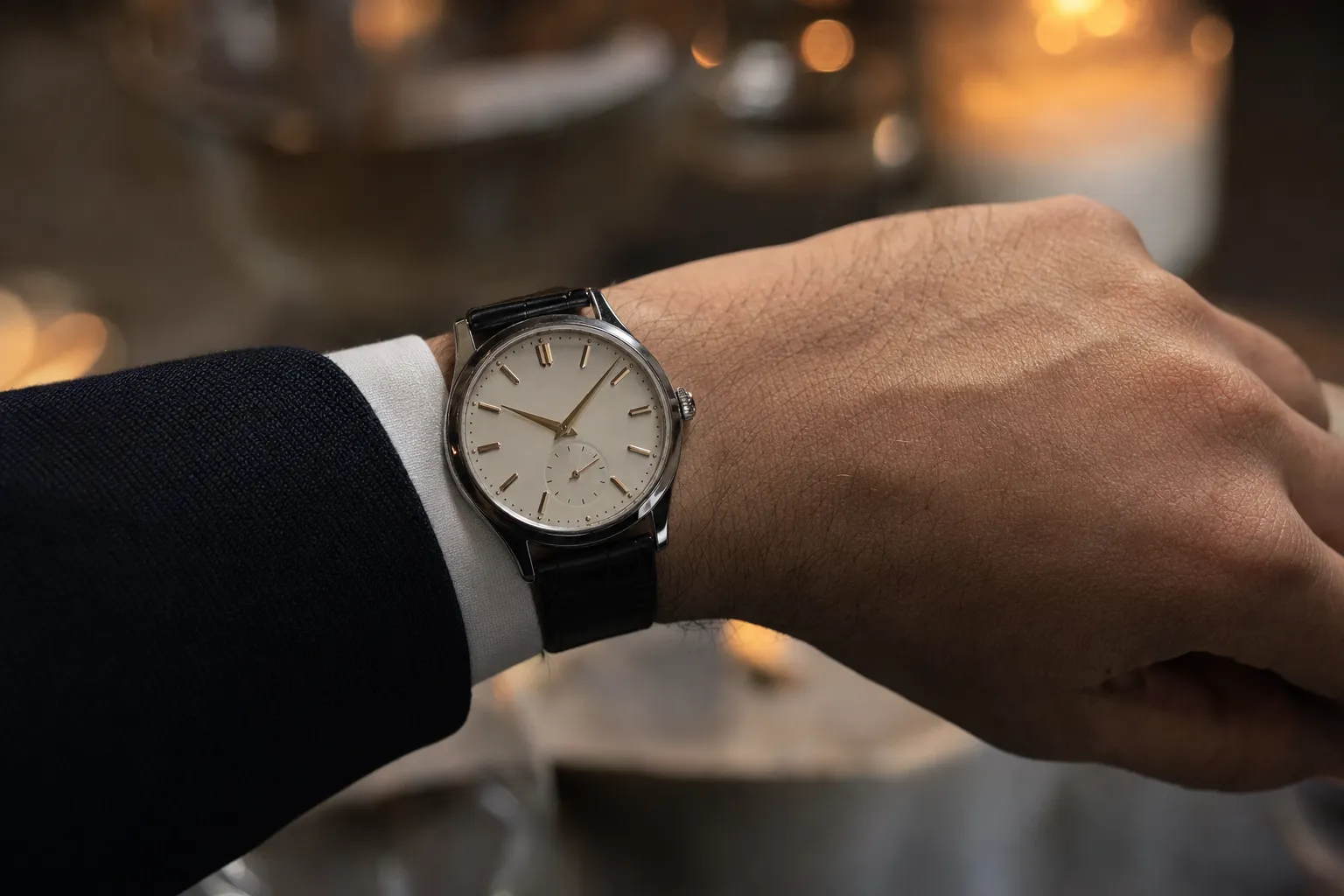
The proliferation of high-quality counterfeit luxury watches demands increasingly sophisticated forensic techniques to distinguish genuine masterpieces from deceptive imitations. True authentication transcends superficial inspection, delving into the minute details of construction, materials, and movement to uncover the subtle yet critical 'tells' that expose a fake.
Why Forensic Authentication Matters in 2026
In an era where counterfeiters leverage advanced manufacturing and even 3D printing technologies, the traditional methods of authentication are no longer sufficient. Forensic watch authentication goes beyond merely spotting obvious flaws; it involves a systematic, scientific approach to verify every component against known genuine specifications and manufacturing processes. This rigorous examination protects both the buyer's investment and the integrity of the luxury watch market. For the discerning collector, understanding these methods is paramount when considering a significant acquisition, ensuring that the watch's heritage and value are unequivocally authentic. Lume Wrist Watches prides itself on employing these advanced methods, ensuring every timepiece in our authenticated collection is verified by our inspection process.
The landscape of luxury watch counterfeiting has evolved dramatically. It's no longer just about poorly executed replicas; highly deceptive fakes, often termed "super fakes" or "franken-watches," combine genuine and counterfeit components, making detection a true challenge. This is precisely why a multi-faceted forensic approach is indispensable. This deep dive into the subject complements our broader guide on Watch Authentication & Provenance: The Lume Wrist Watches Guide, providing specialized insight into the scientific methods employed.
The Evolving Threat of Counterfeits
Counterfeiters are becoming increasingly adept at replicating not just external aesthetics but also internal components and even packaging. Some high-end fakes now incorporate impressive finishing, accurate weight, and even rudimentary clone movements, making them difficult to identify without specialized knowledge and tools. This makes the role of forensic analysis crucial for anyone looking to buy luxury watches in New York or luxury watches in California, ensuring peace of mind.
Protecting Investment and Heritage
For a collector, a luxury watch represents not just an object of beauty but also a significant financial investment and a piece of horological history. A counterfeit erodes all three. Forensic authentication ensures that the heritage of brands like Rolex or Patek Philippe is respected and that your investment is secure. This detailed scrutiny is especially important for vintage or rare pieces, where even minor discrepancies can drastically impact value and authenticity.
Scientific Techniques in Forensic Watch Authentication
The process of forensic authentication is multi-layered, employing a suite of advanced tools and techniques to scrutinize every aspect of a timepiece. These methods move beyond simple visual inspection, offering objective data to confirm or deny authenticity.
Microscopic Examination and Surface Analysis
One of the foundational techniques involves high-magnification microscopy. An expert watchmaker uses powerful microscopes (up to 100x magnification) to inspect details invisible to the naked eye. This includes examining:
- Dial printing and indices: Genuine dials exhibit crisp, precise printing with consistent font, spacing, and application of luminous material. Fakes often show fuzzy edges, uneven application, or incorrect typography. For example, comparing the minute track on a genuine Omega Seamaster Planet Ocean Chronograph 215.30.46.51.01.002 Black Dial under magnification reveals flawless execution, whereas a fake might show inconsistencies.
- Case finishing: Luxury watch cases undergo meticulous finishing processes. Forensic analysis looks for specific brushing patterns, polishing quality, and edge sharpness. Counterfeits frequently cut corners here, showing uneven brushing, dull polishing, or softened edges.
- Movement components: With the case back removed, the movement's plates, bridges, screws, and jewels are examined for finishing quality (e.g., Côtes de Genève, perlage, anglage), material consistency, and engraving precision. This is a critical step, as detailed in our sibling article, Movement Inspection: What a Watchmaker Looks For in 2026.
- Hallmarks and stampings: Caseback markings, precious metal hallmarks, and manufacturer stamps are scrutinized for accuracy in size, depth, font, and placement. Microscopic variations can indicate a fake.
For further insights into micro-details, consider our article on UV Light & Microscopic Analysis: Hidden Watch Authentication Clues.
Material Composition Analysis
Sophisticated fakes often attempt to mimic the weight and feel of genuine watches, but they rarely use identical materials. Forensic labs employ non-destructive techniques to analyze material composition:
- X-ray Fluorescence (XRF) Spectroscopy: This method identifies the elemental composition of metals without damaging the watch. It can confirm if a watch is indeed made of 904L stainless steel (as used by Rolex), 18k gold (75% pure gold), or platinum, rather than cheaper alloys used in fakes. Deviations in alloy composition are a clear red flag.
- Density Testing: While simple, measuring the precise weight and dimensions can indicate if the metals used match the genuine article's density. For instance, a fake gold watch made of plated brass will weigh significantly less than a solid gold piece of the same dimensions.
- Gemstone Analysis: For watches with diamonds or other precious stones, specialized tools can verify if they are genuine, natural stones of the stated clarity and color, or synthetic substitutes often found in counterfeits.
Movement Authentication and Performance Diagnostics
Beyond visual inspection, the operational integrity and specific characteristics of the movement are paramount. This involves:
- Caliber Identification: Verifying that the installed movement matches the specific caliber expected for that reference number and production year. Counterfeiters often use generic ETA clone movements or vastly inferior Chinese calibers.
- Timing Machine Analysis: A timing machine measures the watch's amplitude, beat error, and rate deviation. Genuine luxury movements are finely regulated and exhibit stable, precise performance. Fakes often show erratic readings, low amplitude, or significant rate deviations.
- Power Reserve Testing: While time-consuming, verifying the stated power reserve can expose an inferior movement. Genuine movements typically meet or exceed their specified power reserve, while fakes often fall short.
- Rotor Engravings and Finishing: Automatic movements feature an oscillating weight (rotor). Authentic rotors have precise engravings, high-quality finishing, and correct construction. Fakes often have rougher finishing, incorrect or poorly etched logos, and sometimes even non-functional decorative elements.
Expert examination of the movement can also uncover instances of "Service Parts, Franken-Watches & Disclosure in Luxury Watch Authentication," where parts might be genuine but not original to the specific watch.
The Role of Documentation and Provenance
While not strictly a forensic technique, the absence or manipulation of proper documentation and provenance often accompanies fake watches. Authentic watches come with specific papers, warranty cards, manuals, and boxes. These items are themselves subject to forensic scrutiny:
- Paper Examination: Authenticity cards and certificates are checked for correct fonts, watermarks, holographic security features, and printing quality. For instance, a genuine Breitling Aerospace F65062 Blue Dial Titanium will have a specific warranty card format that changes over production years, a detail counterfeiters often miss.
- Serial Number Verification: Serial numbers on the watch and matching documentation are cross-referenced with manufacturer databases. For brands like Cartier, verifying the serial on a Cartier Cartier Rotonde de Cartier W1556252 Rose Gold Silver Dial against production records is crucial.
- Ownership History: A clear chain of ownership and service records significantly bolsters confidence in a watch's authenticity. This is thoroughly discussed in Papers, Boxes, & Provenance: What Matters in Luxury Watch Authentication.
Identifying Specific Counterfeit Tells Across Brands
While forensic techniques provide universal detection methods, certain brands have specific "tells" that counterfeiters frequently miss or struggle to replicate. Our experts are intimately familiar with these nuances, from the specific hue of Rolex's green crystal gasket to the intricate finishing of an Audemars Piguet movement.
This knowledge allows for a targeted approach, immediately drawing attention to areas prone to counterfeiting. For example, the precise tapisserie pattern on an Audemars Piguet Royal Oaks dial is notoriously difficult to replicate perfectly, often appearing flatter or less defined on fakes. Similarly, the unique glow and longevity of proprietary lume materials like Rolex's Chromalight or Omega's Super-LumiNova can be tested. For a deeper dive into brand-specific details, refer to Counterfeit Tells Across Major Luxury Watch Brands: An Expert Guide.
What to Check Before Buying Pre-Owned
When considering a pre-owned luxury watch, especially from private sellers or less reputable sources, thorough due diligence is non-negotiable. While professional forensic authentication is the ultimate safeguard, several initial checks can help mitigate risk:
- Seller Reputation: Always buy from established, reputable dealers with a strong track record and clear authenticity guarantees, like Lume Wrist Watches. Look for transparent return policies and independent reviews.
- Documentation: Insist on original box and papers, and verify the serial numbers. Be wary of excuses for missing documentation.
- Physical Inspection: Examine the watch closely. Look for crisp dial printing, consistent lume application, proper alignment of date windows, and smooth operation of the crown and pushers. Check the weight; fakes often feel lighter or improperly balanced.
- Movement View: If possible, ask for a photo or inspection of the movement. Research the correct caliber for the specific model and compare.
- Price: If a deal seems too good to be true, it almost certainly is. Authentic luxury watches retain significant value; drastically discounted prices are a major red flag.
Initial Red Flags for Counterfeits
| :---------------- | :------------------------------------------------------------ | :--------------------------------------------------------------- |
|---|---|---|
| Weight & Feel | Substantial, balanced, precise craftsmanship | Often lighter, hollow-feeling, cheap materials, poor balance |
| Dial Printing | Crisp, clear, consistent font, even lume, perfectly aligned | Fuzzy, uneven, incorrect font/spacing, misaligned indices |
| Movement | Finely finished, specific caliber, precise timekeeping | Generic, unfinished, noisy, poor accuracy, incorrect markings |
| Case & Bracelet | Meticulous finishing, tight tolerances, proper hallmarks | Rough edges, uneven brushing, gaps, incorrect or absent hallmarks |
| Crown/Pushers | Smooth operation, secure threading, detailed engraving | Gritty, loose, wobbly, poor engraving, incorrect logo orientation |
| Lume | Bright, long-lasting, evenly applied, correct color | Weak, fades quickly, uneven, incorrect color |
| Cyclops Magnification | 2.5x magnification over date (Rolex) | Flat, distorted, or incorrect magnification |
This table outlines common disparities, but remember, advanced fakes minimize these. Only expert forensic analysis can provide definitive authentication.
Current Authenticated Stock at Lume Wrist Watches
At Lume Wrist Watches, every timepiece undergoes our rigorous multi-point authentication process, incorporating many of the forensic techniques discussed. Our commitment is to provide only genuine, expertly verified luxury watches.
Explore our current selection of authenticated timepieces:
- Breitling Breitling Aerospace F65062 Blue Dial Titanium
- Cartier Cartier Rotonde de Cartier W1556252 Rose Gold Silver Dial
- Omega Omega Seamaster Planet Ocean Chronograph 215.30.46.51.01.002 Black Dial
We offer an extensive range of all featured maisons, all subjected to the same uncompromising standards. Whether you are looking for Rolex collection or Audemars Piguet Royal Oaks, our stock is meticulously vetted. We also offer luxury watches delivered to all 50 states.
Frequently Asked Questions
How have counterfeit watches evolved in recent years?
Counterfeit watches have become significantly more sophisticated, moving beyond obvious flaws to incorporate better materials, more accurate clone movements, and even replicating security features. The rise of "super fakes" means that distinguishing genuine from fake often requires specialized tools and expert knowledge that even seasoned collectors might lack.
Can I authenticate my own watch using online guides?
While online guides can provide helpful preliminary information on common tells, they are rarely sufficient for definitive authentication. The nuances of high-end counterfeits require hands-on inspection with specialized equipment like high-magnification microscopes, XRF analyzers, and timing machines, usually available only to professional authenticators or watchmakers.
What is the most reliable method to detect a super fake?
The most reliable method for detecting a super fake involves a comprehensive, multi-point forensic analysis by a certified expert. This includes microscopic examination of all components, material composition analysis (e.g., XRF), movement inspection and performance testing, and thorough provenance verification. No single factor is sufficient; it's the combination of evidence that confirms authenticity.
How does Lume Wrist Watches ensure authenticity?
Lume Wrist Watches employs a multi-stage authentication process performed by our team of expert watchmakers and authenticators. This process includes detailed physical and microscopic examination, movement verification, material analysis, and cross-referencing with extensive databases and manufacturer specifications. Our rigorous standards are detailed on our Authentication at Lume Wrist Watches page.
Why is the movement so critical in authentication?
The movement is the heart of a luxury watch and the most complex part to replicate accurately. Genuine movements feature specific finishes, precise engineering, and consistent performance characteristics that are incredibly difficult for counterfeiters to perfectly imitate. Any discrepancies in the movement's appearance, construction, or timing performance are strong indicators of a fake.
Contact Lume Wrist Watches
For expert authentication services or to inquire about our collection, please reach out to us:
- Email: sales@lumewrist.com
- Phone: +1 (332) 285-2190
- Office (by appointment only): 18 East 48th Street, Suite 1503, New York, NY 10017
- Hours: Mon–Fri 9:00 AM – 7:00 PM EST · Closed Saturday & Sunday
You can also visit our contact page or browse our shop for more information. For a truly personalized experience, consider our concierge sourcing service or schedule private viewing appointments.
Final Thoughts
The battle against luxury watch counterfeits is an ongoing arms race, with forensic techniques serving as the collector's most formidable defense. As fakes become more sophisticated, the need for expert, scientific authentication becomes ever more critical. Trusting a reputable dealer like Lume Wrist Watches, with transparent authentication processes, is the best way to safeguard your investment and passion. Explore our meticulously authenticated collection and experience the confidence of owning a genuine horological masterpiece today at our shop.