Can Watch Warranties Transfer to New Owners?
Published September 30, 2026 · Last updated October 17, 2026 · By Lume Wrist Watches Editorial Team
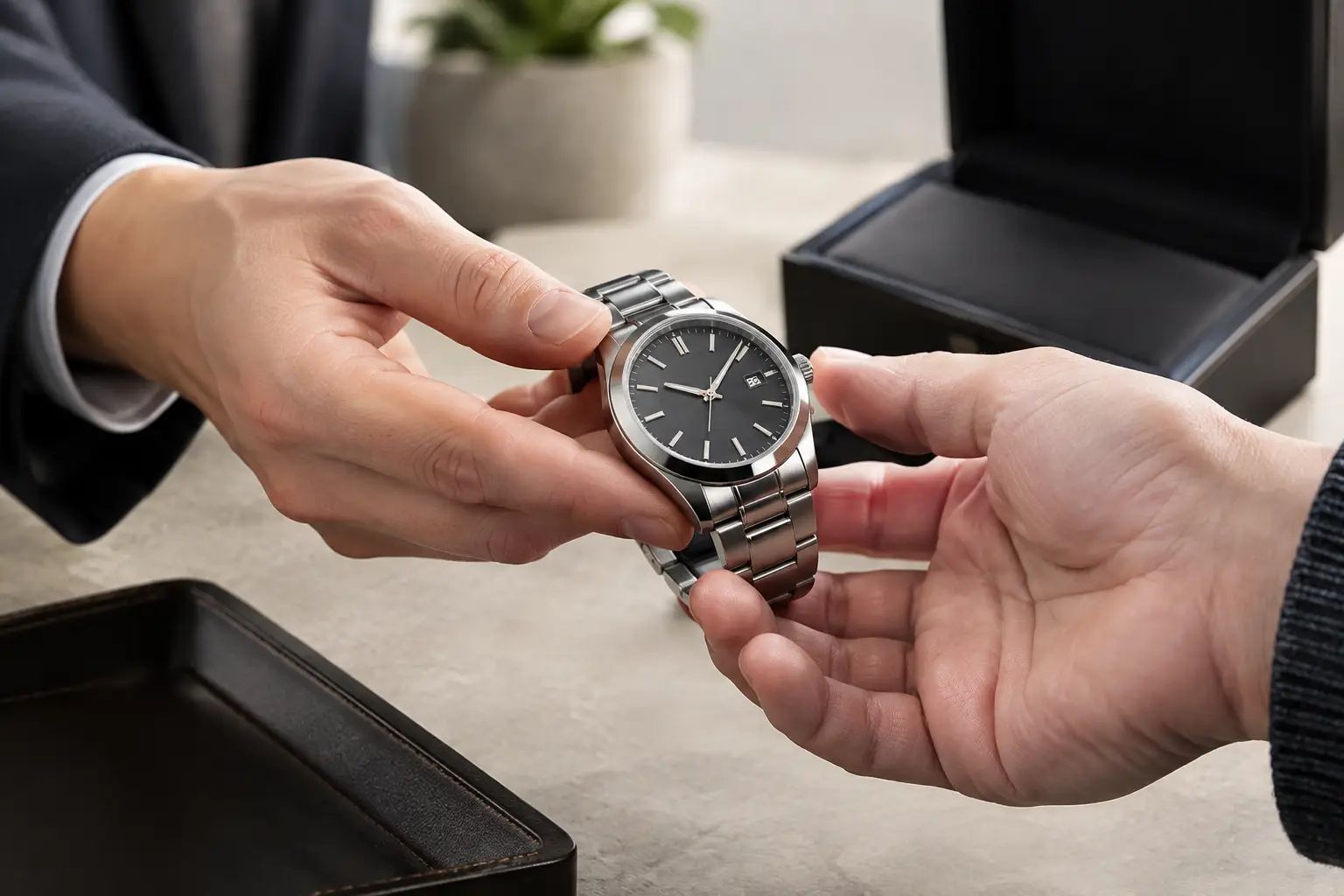
A luxury watch can change hands several times while remaining mechanically excellent, but its warranty does not always follow the same path. Can watch warranties transfer to a new owner? Sometimes. The answer depends on who issued the coverage, when the watch was purchased, the terms printed in the warranty documentation, and whether the new owner can provide the required records.
For a buyer considering a Rolex, Patek Philippe, Audemars Piguet, Omega, or another high-value timepiece, this is more than a paperwork question. Valid coverage can affect the service process, ownership confidence, and the information you should request before completing a purchase.
Can Watch Warranties Transfer Between Owners?
There are two distinct forms of protection commonly described as a watch warranty: a manufacturer warranty and a retailer-issued warranty. They operate differently, and they should not be treated as interchangeable.
A manufacturer warranty is issued by the watch brand and generally addresses defects in materials or workmanship during a stated coverage period. Whether it transfers is controlled by that brand's current terms. Some manufacturer warranties are designed to remain with the watch, provided the warranty card is properly completed and presented. Others may impose registration requirements, limits on transfer, geographic restrictions, or conditions related to the original purchaser.
A retailer warranty is a separate promise from the selling retailer. It may cover specified mechanical issues for a stated period, but its transferability depends entirely on that retailer's written policy. Many retailer warranties apply only to the original purchaser. Others may transfer if the watch is sold with the original invoice and warranty documents. Never assume a dealer warranty carries forward without confirmation.
The practical rule is simple: a warranty card is evidence of possible coverage, not automatic proof that coverage remains valid for every future owner.
Why the Warranty Card Matters
On a modern luxury watch, the original warranty card often establishes the date coverage began, the point of sale, and the watch's identifying information. It is one of the documents a service center may request when evaluating a warranty claim.
For this reason, buyers should look beyond the presence of a card. Review whether the serial or reference information corresponds to the watch, whether the date is legible, and whether the document appears complete. A card that does not match the watch does not establish manufacturer coverage. Neither does an undated, incomplete, or altered document.
The original purchase receipt can also be useful, particularly when a warranty policy refers to the original sale date or requires proof of purchase. It may provide an additional record of where and when the watch entered the market. That said, a receipt should support the documentation package, not replace proper authentication and condition review.
For vintage pieces, original warranty papers may be unavailable or no longer relevant to active brand coverage. Their absence does not make the watch unsuitable. It simply means the purchase decision should rest more heavily on authenticity, movement condition, service history, case integrity, and the protections offered by the seller.
Transferability Is Not the Same as Remaining Coverage
A transferable warranty has value only if time remains on it and the watch still meets its conditions. A five-year manufacturer warranty that began four years ago may be transferable but offer only one year of remaining coverage. Conversely, a retailer's two-year warranty may provide meaningful current protection even when the original manufacturer warranty has expired.
Buyers should also understand what a warranty is designed to cover. Mechanical failure caused by a defect may be included. Normal wear, cosmetic damage, accidental impact, water intrusion resulting from an improperly secured crown, theft, loss, and routine maintenance are commonly excluded. A watch can be under warranty and still require an owner-paid service if the issue falls outside the coverage terms.
Water resistance deserves particular attention. It is a condition that can change over time as seals age or after the case is opened. Even a watch originally built for substantial water resistance should not be assumed to have current water resistance without appropriate testing. Warranty status does not eliminate the need for sensible care.
Ask These Questions Before You Buy
The right pre-purchase questions are specific. Rather than asking only whether a watch is “under warranty,” ask who provides the warranty, what its start and end dates are, and whether it is transferable to a subsequent owner.
You should also ask whether the warranty requires the original card, sales invoice, registration, or service documentation. Request clarity on what mechanical issues are covered, what exclusions apply, and how a claim is initiated. If a warranty is described verbally, ask for the written terms. High-value purchases deserve documentation that can be reviewed after delivery, not a general assurance made during a sale.
Condition is equally important. A watch with remaining manufacturer coverage may still have a history of unauthorized alterations, improper repairs, or water damage that could complicate a future claim. Ask whether the watch has been serviced, whether replacement parts were used, and whether any work was completed outside the brand's service network.
For collectible references, originality can matter independently of warranty coverage. A service replacement dial, hands, bezel, or bracelet component may be appropriate and functional, but it can affect collector preferences. The correct decision depends on the reference, the watch's era, its intended use, and the buyer's priorities.
Documentation That Should Travel With the Watch
A complete set is not always necessary, but a coherent documentation package reduces uncertainty. When available, retain the warranty card, original sales receipt, service records, appraisal or authentication materials, and the seller's invoice. Keep digital copies in a secure location as well.
Service paperwork can be especially valuable. It may show what work was performed, when the watch was pressure tested, and whether a service warranty was issued. Many brand service centers provide limited coverage on their own completed work. That coverage is separate from the original manufacturer warranty and may have its own conditions and duration.
If you later sell the watch, organized records help the next owner evaluate the piece with greater confidence. They also create a clearer history for future servicing. Documentation does not replace physical inspection, but it gives that inspection useful context.
How Independent Retailer Coverage Fits In
When the original manufacturer warranty has ended, an independent retailer warranty can provide a defined layer of protection for the buyer. Its value comes from clear terms, a stated duration, and a retailer prepared to stand behind the watch it sells.
At Lume Wrist Watches, each timepiece is in-house certified, and qualifying purchases include a two-year warranty alongside a 30-day return window and free insured US shipping. This retailer coverage is distinct from any remaining manufacturer warranty. The relevant terms should be reviewed at purchase, particularly if you expect to transfer ownership later.
This distinction matters because a professional retailer's warranty is connected to its own inspection and service standards, not merely to the existence of an original card. For a pre-owned luxury watch, that can be meaningful: the watch's present condition is often more relevant than a manufacturer warranty that expired years ago.
Avoid Assumptions After Private Resale
A warranty that applied when you bought a watch from a retailer may not apply after you sell it privately. The same is true of extended protection plans and service guarantees. Before representing a watch as covered to a future buyer, verify the policy's transfer language directly and provide only documents that accurately support the claim.
Do not remove, alter, or obscure serial information in an attempt to protect a warranty claim. Serial and reference details are central to identification, service eligibility, and authentication. If documentation is inconsistent, address the discrepancy before relying on it as proof of coverage.
A watch purchase should be evaluated as a complete package: the timepiece itself, the quality of authentication, its condition, its service record, the seller's return terms, and the warranty that is actually available to you. Transferable coverage can be a welcome benefit, but clear documentation and accountable post-purchase support are the protections that remain useful long after the initial transaction.