Omega Aqua Terra Sizes, Dials, and Movement Options
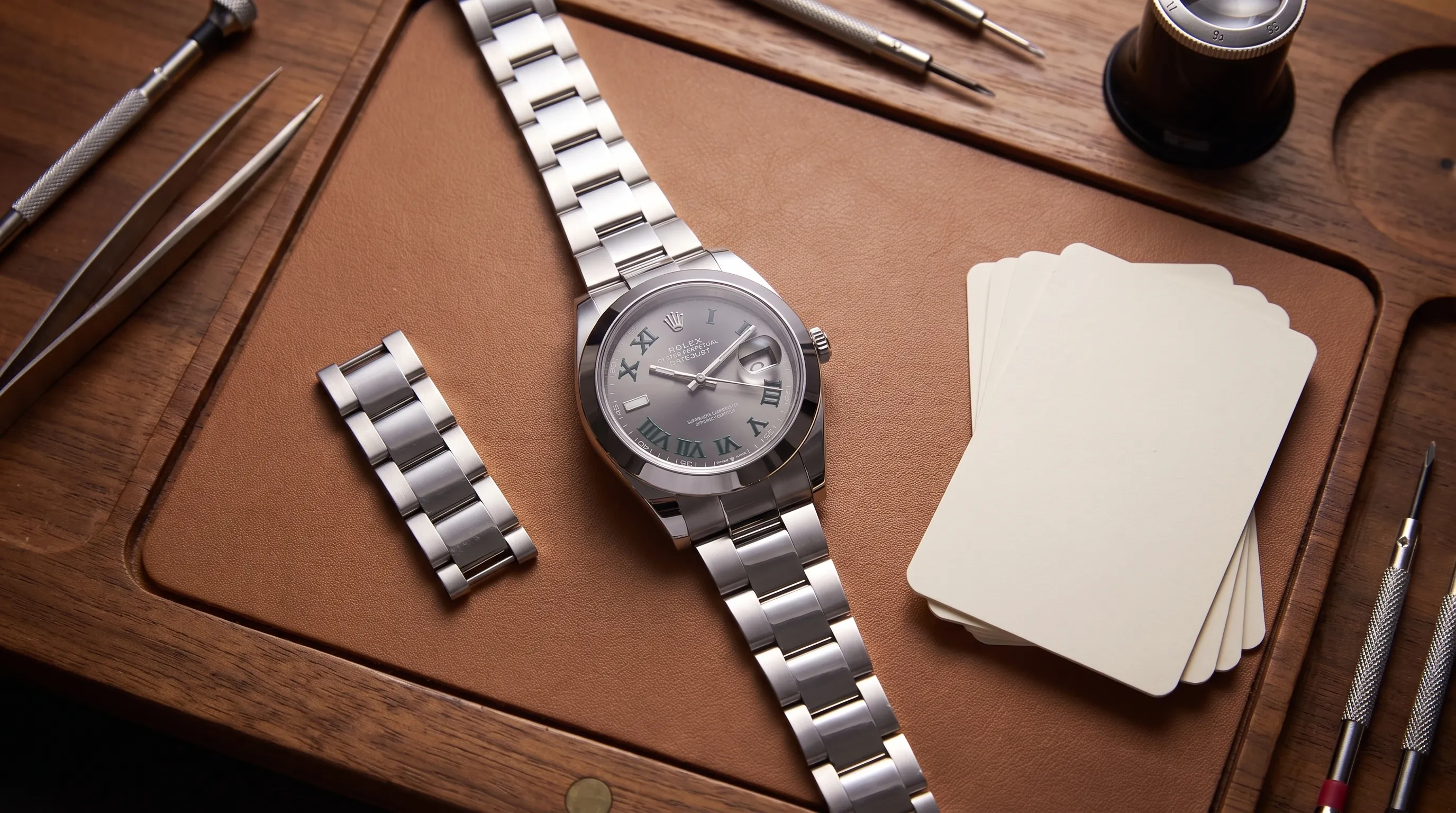
Learn how 38mm, 41mm, dial generations, and Omega movement families change the Aqua Terra buying decision. This guide explains fit, references, condition checks, and smart pre-owned comparisons.
# Omega Aqua Terra Sizes, Dials, and Movement Options The Omega Aqua Terra is best understood through three decisions: case size, dial generation, and movement family. Most buyers should start with 38mm or 41mm, then narrow the search by dial style and caliber rather than chasing the first attractive listing. The Aqua Terra sits in the Seamaster family, but it is not a dive watch in the same sense as the Seamaster Diver 300M. It is the more restrained everyday option, with 150m water resistance, polished and brushed case finishing, and a dial language that can move from conservative office wear to sportier weekend use. For first-time Swiss watch buyers, that versatility is the appeal. For collectors, the interest is in the details: 2500 versus 8500 versus 8800 and 8900 calibers, vertical versus horizontal teak dials, date placement, bracelet generations, and less common complications such as GMT and Worldtimer models. Lume Wrist Watches is an independent retailer in New York City. We are not an authorized dealer for Omega or any other brand. Brand names are used for identification only. ## The Aqua Terra Size Range at a Glance Omega has produced the Aqua Terra in many sizes across generations. The current market tends to focus on 38mm and 41mm three-hand models, but older references and special variants can sit outside that range. | Aqua Terra type | Common case sizes | Best fit profile | Notes | |---|---:|---|---| | Earlier three-hand models | 36.2mm, 39.2mm, 42.2mm | Smaller to medium wrists | Often seen with older reference formats and Caliber 2500 variants | | 8500 generation | 38.5mm, 41.5mm | Medium to larger wrists | Teak dials, in-house Co-Axial movements, heavier wrist presence | | Modern three-hand models | 38mm, 41mm | Most buyers | Master Chronometer movements, refined case proportions, date often at 6 o'clock | | Aqua Terra Shades | 34mm, 38mm | Buyers prioritizing dial color and compact sizing | Color-forward lacquer dials with a dressier personality | | GMT and Worldtimer variants | Around 43mm | Larger wrists or complication-focused buyers | More dial information and stronger wrist presence | Case diameter is only part of the story. Lug-to-lug length, bracelet articulation, case thickness, and dial color all change how an Aqua Terra wears. A 41mm Aqua Terra with a dark dial may look more compact than the same case with a pale silver or light blue dial. As a simple rule, wrists under about 6.75 inches, or 17.1cm, should try the 38mm first. Wrists from about 6.75 to 7.25 inches, or 17.1 to 18.4cm, can usually wear either 38mm or 41mm depending on preference. Larger wrists often suit the 41mm, 41.5mm, or complication models, although a 38mm can still look deliberate if the buyer wants a quieter dress-sport watch. ## 38mm vs 41mm: The Main Modern Decision For most current buyers, the real choice is 38mm versus 41mm. Both are everyday sizes, but they send different signals. The 38mm Aqua Terra feels closer to a classic dress-sport watch. It works well under a cuff, looks balanced on a wide range of wrists, and tends to feel more discreet. It is often the safer gift size when the recipient’s wrist measurement is unknown. The 41mm Aqua Terra feels more contemporary. It gives the dial more room, emphasizes the horizontal teak pattern on many modern models, and presents more like a modern sports watch. It is still not oversized by current standards, but it has more presence. | Choice | Why choose it | Why pause | |---|---|---| | 38mm | Balanced, discreet, easier under cuffs, strong option for 6.25 to 7 inch wrists, or 15.9 to 17.8cm | May feel small to buyers used to modern sports watches | | 41mm | More wrist presence, more dial visibility, strong option for 7 inch wrists and above, or 17.8cm and above | Can feel broad on flat or narrow wrists | | 38.5mm older generation | Slightly more presence than 38mm, common in the 8500 era | Thickness and bracelet feel should be checked carefully | | 41.5mm older generation | Substantial and masculine, often appealing to collectors | Larger than the current 41mm in feel, especially on bracelet | If you are buying online, ask for wrist shots when available, side profile photos, and exact case measurements. A polished bezel and bright dial can make the watch wear larger than the number suggests. ## Dial Options: From Teak Deck to Shades The Aqua Terra dial is one of the model’s defining features. Omega has used smooth dials, vertical teak-pattern dials, horizontal teak-pattern dials, sunburst finishes, lacquer dials, and more complex Worldtimer layouts. Early Aqua Terra models often have a cleaner, more restrained dial. These can appeal to buyers who want an Omega that reads less sporty and more traditional. Later teak dials introduced the deck-plank motif associated with the Aqua Terra line. On many older models, the teak lines run vertically. On many modern models, they run horizontally. That orientation matters. Vertical teak lines can elongate the watch visually. Horizontal teak lines can make the dial feel wider and more modern. Neither is better, but they create different personalities. | Dial style | Visual effect | Buyer profile | |---|---|---| | Smooth or lightly textured | Conservative, dressier, less immediately recognizable | Buyers who want understated Omega design | | Vertical teak | Classic Aqua Terra identity, slightly elongated look | Collectors who like earlier modern generations | | Horizontal teak | Cleaner modern identity, wider visual stance | Buyers considering current-generation 38mm and 41mm models | | Sunburst blue, gray, or black | Versatile, office-friendly, easy to pair | First luxury watch buyers seeking daily wear | | Silver or white | Crisp, dressy, visually larger | Buyers who want a brighter watch and do not mind added presence | | Shades lacquer dials | Color-focused, more expressive | Buyers who want the Aqua Terra shape with a less traditional dial | | Worldtimer dial | Technical, layered, more specialized | Collectors or frequent travelers who want complication value | Dial color also affects resale interest, but it should not drive the whole decision. A watch you do not enjoy wearing is rarely the right purchase, even if the reference is popular. ## Movement Options by Generation Omega’s movement history is central to the Aqua Terra. The model has moved from early Co-Axial Caliber 2500 references to in-house 8500 family movements and later Master Chronometer calibers. | Movement family | Common Aqua Terra era | Key traits | What to check pre-owned | |---|---|---|---| | Caliber 2500 | Early Aqua Terra models | Co-Axial escapement, slimmer profile, ETA-derived architecture | Service history, variant, timekeeping, crown operation | | Caliber 8500 and 8501 | Later 38.5mm and 41.5mm generation | In-house Co-Axial movement, twin barrels, stronger modern specification | Thickness, service documentation, amplitude and accuracy | | Caliber 8508 and related anti-magnetic variants | Anti-magnetic Aqua Terra models | Designed for high magnetic resistance, important step before full Master Chronometer era | Correct dial and caseback details, movement verification | | Caliber 8800 and 8801 | Modern 38mm models | Master Chronometer specification, Co-Axial escapement, strong daily-wear credentials | Warranty status if applicable, service history, condition of bracelet and clasp | | Caliber 8900 and 8901 | Modern 41mm models | Master Chronometer specification, independent jumping hour hand, twin barrels | Travel-hour function, timekeeping, complete reference match | | Caliber 8938 and 8939 | Worldtimer models | Worldtimer complication, Master Chronometer specification | Dial condition, city ring alignment, full function test | The 2500 family can be attractive because the watches are often thinner and more classically proportioned. Collectors often pay attention to the specific 2500 variant, especially later updates. The 8500 generation feels more modern and substantial, with a movement architecture that helped define Omega’s post-ETA identity. The 8800 and 8900 families are the clearest choice for buyers who want a contemporary specification. Master Chronometer certification, magnetic resistance, and daily usability make these movements easy to live with. The 8900’s jumping local hour is particularly useful for travel because it allows quick time-zone adjustment without stopping the watch.  ## Reference Numbers: How to Read the Listing More Carefully Omega reference numbers can look dense, but they are useful. A listing title may say “Aqua Terra blue dial,” while the reference confirms the case material, bracelet or strap, case size, movement era, and dial configuration. Older references may appear in shorter formats, such as early 2500-era numbering. Later Omega PIC-style references are longer, such as the 231 series for many 8500-generation Aqua Terra models and the 220 series for many modern Master Chronometer models. | Reference clue | Often associated with | Why it matters | |---|---|---| | 2500-era shorter references | Early Aqua Terra models | Helps identify thinner case profiles and earlier Co-Axial movements | | 231.xx series | Many 8500-generation Aqua Terra models | Often points to 38.5mm or 41.5mm cases and teak dials | | 220.xx series | Many modern Master Chronometer models | Often points to current 38mm or 41mm design language | | 43mm Worldtimer references | Complication models | Requires closer dial, case, and function inspection | Do not buy by nickname alone. Ask for the full reference, serial visibility policy, movement photos if available, and a clear statement on condition, service, and authenticity. ## Bracelet, Strap, and Case Wear The Aqua Terra is sensitive to finishing quality. Polished center links, polished bezels, and broad case surfaces can show scratches quickly. That does not make a watch poor condition, but it does make honest condition grading important. Look closely at the lugs. Over-polishing can soften the original geometry and make the watch look less crisp. On bracelets, check clasp condition, link count, stretch, and whether the bracelet reference matches the watch. On straps, confirm whether the strap and clasp are Omega-signed and whether replacement cost has been considered. A good pre-owned inspection should cover: - Case shape, bezel edges, and lug definition - Bracelet fit, link count, clasp function, and end-link fit - Dial, hands, applied markers, date alignment, and lume condition - Crown action, time-setting, date change, and travel-hour function where applicable - Movement performance, service status, and water-resistance testing policy - Box, papers, cards, service records, and reference consistency Water resistance deserves special care. The Aqua Terra is rated to 150m by design, but every pre-owned watch should be treated according to its current gasket, crown, case, and pressure-test condition. If swimming matters, confirm recent pressure testing before using the watch in water. ## Budget and Cross-Shopping Context The Aqua Terra is often considered by buyers shopping for a first serious Swiss watch in the $2,000 to $8,000 budget range. Within that range, the exact reference, movement, age, dial, condition, service status, and completeness can change the decision quickly. | Shopping lane | What buyers usually compare | Practical guidance | |---|---|---| | First Omega automatic | Aqua Terra, De Ville, older Seamaster, Speedmaster Reduced | Prioritize condition, service, and correct sizing over dial rarity | | Everyday dress-sport watch | Aqua Terra 38mm or 41mm, Rolex Datejust, Grand Seiko automatic models | Compare case thickness, bracelet feel, and service expectations | | Collector Omega purchase | Specific Aqua Terra references, 8500 variants, Worldtimer, unusual dials | Confirm reference-level accuracy before discussing price | | Gift purchase | 38mm Aqua Terra, classic Omega dress models, Datejust-style alternatives | Choose a wearable size and keep return terms clear | If your taste is moving toward a simpler classic Omega rather than a full Aqua Terra, the [Omega (6672)](https://lumewrist.com/product/omega-6672) is an excellent-condition men’s Omega classic watch with a round case and automatic movement, listed at a bank wire price of $3,495 at the time of writing. It is not an Aqua Terra, but it is a useful reference point for buyers who like Omega’s more restrained side. If you are cross-shopping the Aqua Terra against a Rolex, the [Rolex Datejust 41 (126300)](https://lumewrist.com/product/rolex-datejust-41-126300) is a natural comparison because it occupies a similar daily dress-sport role while offering a very different case, bracelet, and brand character. For buyers who want a sportier Omega with a more historically specific profile, our Omega Speedmaster Moonwatch buyer guide explains the Speedmaster side of the brand in more detail. ## A Simple Decision Framework The best way to choose an Aqua Terra is to remove variables in order. Decide the size first. Then choose the dial generation. Then choose the movement family. Only after that should you compare condition, set completeness, and price. If you use structured decision tools at work, from procurement scorecards to card-based product frameworks like the [AI Product Adoption Deck](https://aiproduct.cards/), apply the same discipline here. Define the job of the watch before comparing listings. A daily office watch, travel watch, gift watch, and collector reference should not be judged by the same criteria. For a clean first purchase, a 38mm or 41mm Master Chronometer Aqua Terra is usually the most straightforward path. For a collector, the better answer may be a specific 2500 or 8500-era reference with the right dial, case condition, and full documentation. ## Authentication and Seller Protections The Aqua Terra is widely traded, which makes authentication and condition review essential. A correct dial and bracelet are not enough. The movement, caseback, serial, cards, and reference should all tell the same story. Box and papers are helpful, but they are not a substitute for inspection. A watch can be authentic without a full set, and a full set can still require verification. What matters is the total picture: provenance, condition, movement performance, and seller accountability. At Lume Wrist Watches, inventory is authenticated pre-owned, listed in Excellent condition, certified authentic by Watch CSA, and serviced before shipping. We offer free insured shipping within the United States, international shipping by request and quote, a 30-day return guarantee, and 2-year warranty coverage. Payment options include bank wire transfer as the primary method, credit card, and cryptocurrency. ## Frequently Asked Questions **What is the best Omega Aqua Terra size for most men?** For many buyers, 38mm is the safer all-around size and 41mm is the better choice for those who prefer modern wrist presence. Wrist shape matters as much as wrist circumference. **Is the Omega Aqua Terra 38mm too small?** No. The 38mm Aqua Terra wears like a balanced dress-sport watch. It is especially strong for wrists under about 7 inches, or 17.8cm, and for buyers who wear shirts or jackets often. **Which Aqua Terra movement is best?** There is no single best movement for every buyer. Caliber 2500 models can be thinner and more classic, 8500 models feel more substantial, and 8800 or 8900 Master Chronometer models offer the most modern specification. **Are box and papers necessary when buying pre-owned?** They are helpful and can affect desirability, but they are not the only factor. Authentication, condition, service status, and reference correctness matter more than accessories alone. **Can I swim with an Aqua Terra?** The model is designed with 150m water resistance, but a pre-owned watch should be pressure tested before swimming. Water resistance depends on current condition, not just the original specification. ## The Quiet Strength of the Aqua Terra The Aqua Terra works because it does not force a single identity. It can be a first Swiss watch, a business watch, a travel watch, or a collector’s reference depending on size, dial, and movement. If you are comparing Omega options now, review the exact case size, reference, dial, and movement before looking at price alone. You can start with Lume Wrist Watches’ [current luxury watch inventory](https://lumewrist.com/shop), or contact our New York City team for help narrowing the field to pieces that match your wrist, budget, and intended use.