Historical Patek Philippe Nautilus Collector Guide
Published July 31, 2026 · Last updated October 21, 2026 · By Lume Wrist Watches
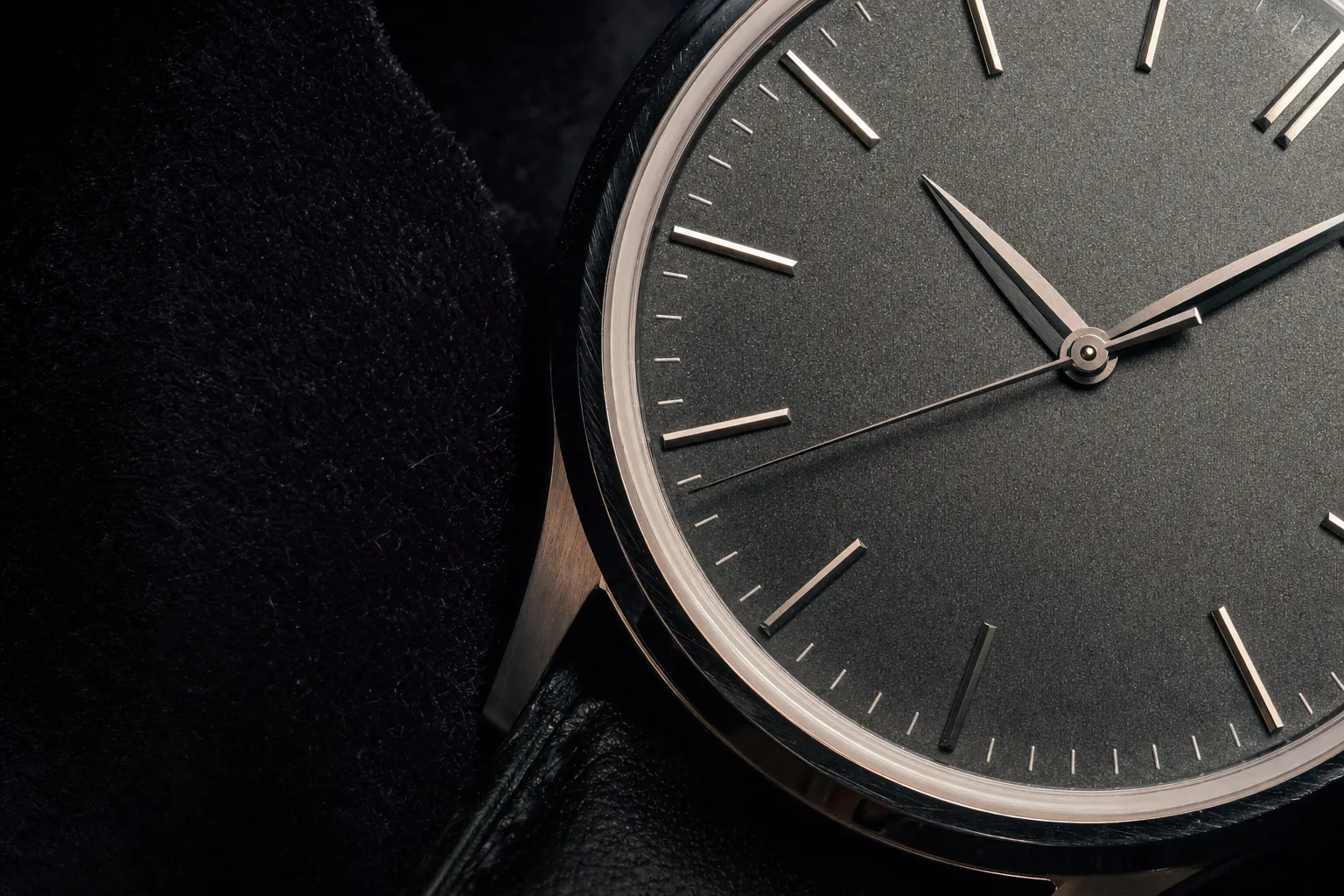
Navigating the terrain of historical Patek Philippe Nautilus collecting requires an uncompromising eye for condition, originality, and period-correct manufacturing nuances. As collectors evaluate references produced across the late 20th and early 21st centuries, distinguishing between an unmolested survivor and an aggressively refinished example becomes paramount. A disciplined approach to authentication, case architecture, and component consistency separates premier vintage acquisitions from compromised timepieces.
Evaluating Original Case Geometry and Bezel Finishing
In the discipline of historical Patek Philippe Nautilus collecting, the case represents the primary battleground for determining authenticity and historical integrity. The original Nautilus architecture relies on an interplay between flat planes, precise linear brushed surfaces, and mirror-polished transitions. When a case is subjected to mechanical buffing or improper lapping during routine services, these critical boundaries soften, permanently altering the silhouette designed in the 1970s.
The Bezel's Satin-Brushed Perimeter and Polished Chamfers
The octagonal bezel of a vintage Nautilus features a deliberate dual finish that demands close scrutiny. The broad, top-facing surface exhibits a vertical satin-brush pattern that runs strictly parallel to the vertical grooves of the dial beneath it. This brushed surface must terminate at a crisp, razor-sharp perimeter that transitions into an angled, mirror-polished bevel before dropping vertically down the outer rim.
When evaluating a vintage reference such as the 3700/1A, collectors look for crisp, well-defined junctions where these two finishing techniques meet. Over-polishing rounds off the sharp bevels, making the flat top appear pillowed or dome-like. Furthermore, careless restoration often distorts the straight brushed grain into an erratic or swirling texture. Once the factory-defined edges of the bezel are removed, restoring the original geometry without removing significant amounts of metal is virtually impossible.
Monobloc Architecture and Lateral Hinges
The earliest executions of the Nautilus case—most notably those produced by specialist case maker Favre-Perret for Reference 3700—utilized a two-part monobloc construction. Rather than incorporating a traditional screw-down caseback, the movement was inserted from the front, secured inside a central container that clamped together with the bezel via lateral structural extensions, commonly called "ears" or hinges.
These lateral hinges are secured by small screws driven through the sides of the case. On pristine examples, the screws sit completely flush with the brushed lateral surfaces of the hinges. If a case has been polished down, the screw heads will protrude past the outer plane of the metal, creating an unsightly and tactile ridge. Furthermore, inspecting the underside of the case where the reference and serial numbers are stamped internally will confirm if the structural profile retains its factory-specified thickness.
``` +------------------------------------------------------------------------------------+ | KEY CASE INSPECTION POINTS FOR VINTAGE NAUTILUS REFERENCES | +----------------------+-----------------------------+-------------------------------+ | Component | Factory-Correct State | Compromised / Polished State | +----------------------+-----------------------------+-------------------------------+ | Bezel Top | Uniform vertical brush | Swirling, uneven, or shiny | | Bezel Chamfer | Sharp, mirror-cut 45° angle | Rounded edge, blurred margin | | Lateral Hinges | Flush screw seating | Protruding screws, thin walls | | Case Sides | Parallel satin grain | Wavy reflections, softened rim| | Case Step / Lip | Distinct architectural step | Blended into main case wall | +----------------------+-----------------------------+-------------------------------+ ```
Dial Variations: From Sigma Signatures to Transitional Fonts
Dial variation is one of the most thoroughly studied areas of the vintage Patek Philippe Nautilus catalog. Because dials were manufactured primarily by Stern Frères, their production records show subtle iterations in base metal fabrication, luminous applications, and typographic printing across different production batches.
Stern Frères Dials and the "O SWISS O" Markings
Early Reference 3700 dials were produced on solid gold or brass blanks, upon which horizontal ridges were CNC-milled before being finished in a chemical galvanic bath to produce their characteristic charcoal-blue or graphite hue. Applied baton hour markers were stamped from 18k white gold to prevent oxidation over time.
To denote the presence of solid gold components on the dial, the Association pour la Promotion Industrielle de l'Or (APRIOR) introduced the lowercase Greek letter sigma ("σ"). On vintage Reference 3700 dials, collectors look for the specific marking:
- "σ SWISS σ" (Sigma Swiss Sigma): Positioned directly beneath the six o'clock hour index, this signature confirms that both the applied hour markers and the hands are crafted from solid gold.
- "O SWISS O": A typographical variation of the sigma marking seen on certain production batches where the sigma glyph resembles a slightly flattened circle.
- "SWISS" Only: Found on service replacement dials and specific transitional dials produced during the late 1980s and 1990s, where tritium or early Super-LumiNova was utilized without the APRIOR gold certification marks.
When examining dial condition, original tritium luminous compound should exhibit a uniform, aged patina ranging from pale cream to rich amber. Tritium that appears bright green or unevenly chalky often points to later reluming work, which compromises collector desirability.
Typography Shifts Across Eras
Beyond the lower signatures, the text reading "PATEK PHILIPPE" and "GENEVE" located below twelve o'clock reveals distinct generational iterations. The earliest dials feature an elongated, serif font with delicate horizontal crossbars on the letter "A" and pronounced feet on the "P" and "H".
During the 1980s and early 1990s—coinciding with the mid-size Reference 3800 and later runs of the "Jumbo"—the typography shifted toward a bolder, slightly condensed sans-serif printing. Advanced collectors closely analyze font weight and spacing under high magnification. Misaligned letter spacing, thick paint borders, or uneven baseline alignment often signify an aftermarket reprint rather than a genuine Stern Frères manufacturing deviation.
Movement Preservation Across Calibers 28-255 C and 330
A critical dimension of vintage Patek Philippe evaluation involves matching the movement reference, caliber designation, and serial stamping with the period of case production. Internal mechanics shifted substantially between the initial release of the model and its modern evolutions.
The Jaeger-LeCoultre Base Caliber 28-255 C
The heart of the original Reference 3700 is Caliber 28-255 C, an ultra-thin automatic movement measuring just 3.05 mm in height (3.15 mm including the date mechanism). Developed from the legendary Jaeger-LeCoultre Caliber 920 base ebauche, this movement was heavily reworked and finished to the standards of the Geneva Seal by Patek Philippe.
Key technical characteristics of Caliber 28-255 C include: A free-sprung Gyromax balance wheel oscillating at 19,800 vibrations per hour (2.75 Hz). A beryllium-copper ring supporting a 21k solid gold rotor segment, rolling on four ruby jewel rollers mounted to the periphery of the mainplate. * The absence of a quickset date function; setting the date requires manually cycling the hands back and forth between 21:00 and 24:00.
Collectors must inspect the periphery of the movement for signs of friction. If the ruby rotor rollers wear down over decades of use, the heavy gold rotor rim will scrape against the bridges or the case inner wall, leaving concentric circular scratches that indicate neglected servicing.
In-House Transition to Caliber 330 Series
When Patek Philippe introduced the mid-sized Reference 3800 in 1981, the manufacture deployed Caliber 335 SC, which brought a sweep center-seconds hand and a higher beat rate of 21,600 vph (and later 28,800 vph in updated iterations). This architecture was subsequently refined into Caliber 330 SC and Caliber 315 SC, serving as the technical foundation for modern three-hand sport watches across the brand.
Evaluating these later movements involves checking for period-correct bridge stampings. Early examples carry the traditional Geneva Seal hallmark, whereas watches produced after mid-2009 carry the proprietary Patek Philippe Seal. Any evidence of mismatched service balance cocks, modern balance springs installed inside early calibers, or non-original train wheels must be documented when assessing historical integrity.
Verifying Period-Correct Bracelets and Clasp Stamps
The integrated steel bracelet is fundamental to the character of the Nautilus, yet it is one of the most commonly swapped or damaged components on vintage pieces. Because bracelets absorb the brunt of daily mechanical wear, assessing clasp date codes and structural articulation is essential.
Gay Frères Fabrication and Date Codes
During the initial years of production, Patek Philippe commissioned the historic Genevan chainmaker Gay Frères to manufacture the integrated steel bracelets for Reference 3700. Gay Frères was renowned for its metallurgical expertise and mastery of complex articulating links.
Bracelets manufactured by Gay Frères carry distinct hallmarks on the internal blades of the folding clasp: The Gay Frères maker's mark (a ram's head flanked by the letters "G" and "F"). A two-part date stamp indicating the quarter and year of production (e.g., "3.76" indicating the third quarter of 1976). * The Patek Philippe script signature or the Calatrava cross engraved on the outer blade cover.
Later in the production cycle, Patek Philippe transitioned bracelet manufacturing entirely in-house. Clasps from this subsequent period omit the Gay Frères emblem and display a cleaner, sandblasted or polished folding blade with updated stamping formats.
Articulation and Link Taper
Two primary bracelet executions exist for the full-sized Reference 3700: the early Reference 3700/1 and the revised Reference 3700/11. The 3700/1 bracelet features a wider silhouette that tapers gently from the case down to an 18mm clasp. By contrast, the 3700/11 bracelet features a noticeably narrower taper, slimming down to 16mm at the clasp.
To determine link health, collectors lay the watch on its side and hold the case horizontal to the ground. Excessive droop or sagging indicates that the internal stainless steel friction pins have worn away the interior walls of the link segments. While specialized laser welding can rebuild worn link interiors, original, tight articulation that has never undergone structural intervention remains the gold standard in the vintage community.
The Importance of Original Accessories and Vintage Boxes
In historical watch curation, original accompanying ephemera provides both historical context and physical proof of a timepiece's untouched path through history. While watches are frequently evaluated on their mechanical and cosmetic merits alone, authentic accessories significantly elevate an acquisition.
Cork Boxes of the 1970s and 1980s
The earliest Reference 3700 units were presented in a distinctive natural cork box with polished stainless steel trim and a brushed front locking clasp. This presentation box was designed specifically to echo the nautical, maritime design theme of the watch.
Because cork is a soft, biodegradable organic material, very few of these boxes survived in pristine condition. Common issues include: Flaking, crumbling, or chipped cork corners. Drying or splitting along the internal wooden substrate. * Corroded metal framing resulting from humid storage environments.
A genuine, well-preserved cork box from the late 1970s is a rare historical artifact in its own right. Beyond the box, period-correct documentation includes the original instruction manual, authorized dealer directory booklet, and brown leather document sleeve.
Archival Verification and Historical Provenance Nuances
When collecting discontinued references, documentary provenance substantiates the physical evidence found on the metal. Collectors should consult an authoritative collector buying guide to understand how manufacturer documentation corroborates serial numbers.
Extract from the Archives vs. Certificate of Origin
It is critical to distinguish between the two primary forms of documentation issued for historical timepieces: Original Certificate of Origin: The paper certificate delivered with the watch at the point of retail sale. It includes the buyer's name (in some instances), the authorized retailer's stamp, the date of sale, and the matched movement and case serial numbers. Because this document cannot be reissued, it represents irreplaceable provenance. Extract from the Archives: An official document issued by the Patek Philippe Heritage Department in Geneva based on historical ledger entries. Anyone possessing the movement and case numbers can request an Extract, provided the numbers match factory records.
``` +------------------------------------------------------------------------------------+ | DOCUMENTATION COMPARISON FOR HISTORIC PATEK PHILIPPE WATCHES | +--------------------------+---------------------------+-----------------------------+ | Feature | Certificate of Origin | Extract from the Archives | +--------------------------+---------------------------+-----------------------------+ | Issued | At point of initial sale | On request from Geneva | | Replaceable | No, permanently unique | Yes, can be re-ordered | | Identifies Sale Date | Yes | Yes | | Identifies First Retailer| Yes | Rarely (depends on ledgers) | | Proves Authenticity | Strong circumstantial | Confirms ledger match only | +--------------------------+---------------------------+-----------------------------+ ```
An Extract from the Archives confirms that the specific movement number and case number were recorded together when the watch left the manufacture. However, it does not confirm the authenticity of parts that may have been altered later in the watch's life, such as dials, hands, or bracelet links. Seasoned collectors cross-reference ledger data against the physical attributes of the piece when browsing curated watches in the pre-owned shop environment to ensure every detail remains strictly period-correct.
Frequently Asked Questions
### What distinguishes a Sigma dial on a vintage Reference 3700? A Sigma dial on a Reference 3700 features lower Greek sigma symbols flanking the "SWISS" text at six o'clock, reading "σ SWISS σ" or "O SWISS O". This marking was established by the APRIOR trade association to indicate that the applied hour markers and hands are crafted from solid gold. Its presence confirms a period-correct, factory-original dial execution from the late 1970s or early 1980s.
### Why is case sharpness so critical on a pre-owned Nautilus? Case sharpness preserves the original geometric intent of the watch, which depends on contrasting brushed surfaces and mirror-polished chamfers. Excessive polishing rounds off the iconic octagonal bezel bevels and degrades the lateral hinges, ruining the architectural lines. Because lost metal cannot be easily restored without modern additive laser welding, sharp, unpolished cases represent the highest standard of originality.
### How can collectors tell if a vintage Nautilus bracelet has stretched excessively? Collectors assess bracelet stretch by holding the watch case horizontally by the bezel and allowing the bracelet to suspend freely on its side. An uncompromised bracelet remains relatively rigid and retains a tight, consistent curve along the links. If the bracelet sags downward into an exaggerated, loose arch, the internal friction pins and link channels have experienced significant mechanical wear.
### What role does an Extract from the Archives play when evaluating a historic Nautilus? An Extract from the Archives confirms that the movement number, case number, caliber, and reference match the official production ledgers kept in Geneva. It provides the exact date of manufacture and original date of sale, establishing a documented timeline for the watch. However, it does not guarantee that components like the dial, bezel, or hands remain in their original state, meaning physical inspection is still required.