Watch Condition Grading for Luxury Buyers
Published October 18, 2026 · Last updated October 18, 2026 · By Lume Wrist Watches Editorial Team
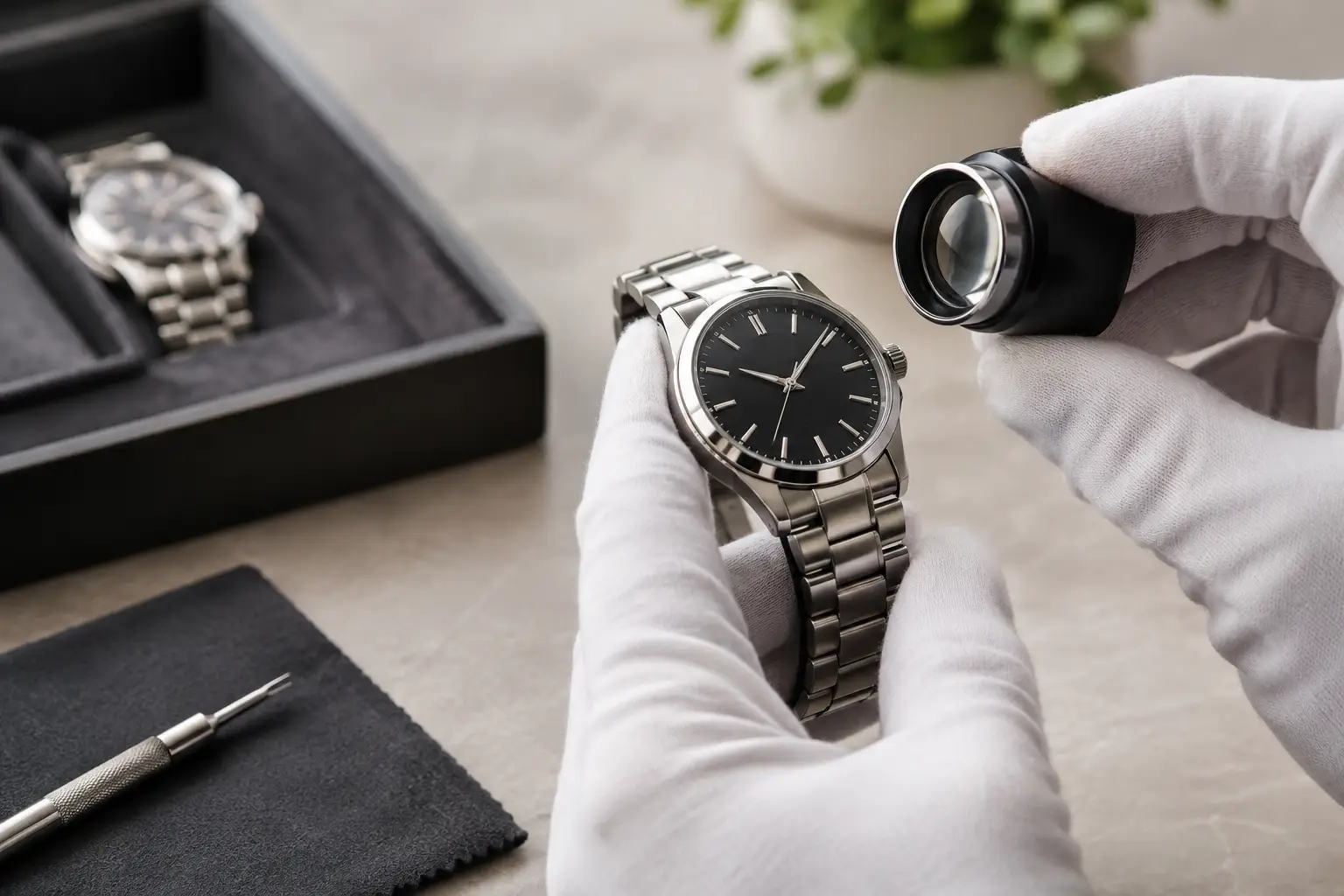
A Rolex Submariner can look exceptional at arm’s length and still carry details that materially change its appeal to a collector. A heavily refinished case, replacement dial, stretched bracelet, or incomplete service history may not make a watch unsuitable, but each should be identified and reflected in the purchase decision. That is the purpose of watch condition grading: to turn a broad description such as “excellent” into a disciplined review of the watch in front of you.
For luxury buyers, condition is not a single score. It is a combination of preservation, originality, mechanical performance, and the quality of prior ownership and service. Two examples of the same reference can wear very differently, even when both are authentic and functioning correctly.
Why Watch Condition Grading Is Not Universal
There is no single industry-wide condition scale that means precisely the same thing from one seller to another. Terms such as unworn, mint, excellent, very good, and good are useful starting points, but they are not substitutes for photographs, inspection notes, and direct answers about a watch’s components.
A modern Omega that has been carefully worn for two years may present as excellent, with minor marks visible only under close inspection. A vintage Patek Philippe can show honest age, softened case edges, and a dial with light patina while remaining highly desirable to the right collector. Applying the same cosmetic standard to both would miss the point.
Condition should also be separated from completeness. A watch may be in outstanding physical condition without its original box or papers. Another may include a complete set but show significant wear. Both factors matter, but they answer different questions.
The Components Behind Watch Condition Grading
A credible assessment considers the entire watch rather than relying on a single flattering angle. The case, dial, crystal, bracelet or strap, movement, and included accessories each deserve their own review.
Case shape, finish, and polishing
The case is often the first place experienced buyers look. Light surface wear is normal on a pre-owned luxury watch. The more meaningful question is whether the original shape has been preserved.
Factory case geometry is especially relevant on watches with defined bevels, sharp lug lines, brushed surfaces, or polished chamfers. Over-polishing can soften those transitions, round the case edges, reduce the apparent thickness of the lugs, and blur the contrast between finishes. A careful refinishing can improve presentation, while an aggressive one can diminish the character of the reference.
This is not an argument that every watch must remain unpolished. Many buyers prefer a clean, professionally refinished example for regular wear. The right choice depends on whether you prioritize original factory contours, immediate appearance, or a balance of both. What matters is clear disclosure.
Dial, hands, and originality
The dial carries much of a watch’s identity. Buyers should look for even printing, correctly proportioned markers, consistent luminous material, and an appearance appropriate to the watch’s age. On vintage pieces, patina may be expected and can be appealing. On contemporary watches, spotting, discoloration, or damaged lume may be more concerning.
Originality is particularly significant here. A replacement dial or handset is not automatically a defect. Manufacturer service replacements can be appropriate and may improve usability. But replacement components can change the collector profile of a watch, particularly when the original configuration is central to the reference’s appeal.
Ask whether the dial and hands are original to the watch, later manufacturer replacements, or otherwise documented service parts. A transparent answer is more useful than a vague statement that the watch is “all original.”
Crystal, bezel, and external details
A crystal should be evaluated for scratches, chips, cracks, and clarity. Minor marks on a sapphire crystal may be acceptable; cracks and edge chips require closer attention. Acrylic crystals on older watches can often be refreshed or replaced, but the presence of the correct style can matter to collectors.
Bezels, crowns, pushers, and case-back engravings also deserve inspection. A bezel insert with wear may be entirely consistent with age, while an incorrect replacement insert may affect originality. The crown should operate properly and match the reference where applicable. On chronographs, pushers should engage cleanly and reset correctly.
Bracelet, clasp, and strap condition
A bracelet can be one of the most expensive components to replace and one of the clearest indicators of use. Examine the links for scratches, dents, looseness, and uneven stretch. Stretch is especially relevant on older multi-link bracelets, where the bracelet may feel loose due to long-term wear between links and pins.
Confirm that the clasp closes securely, the adjustment mechanism functions, and the bracelet includes enough links for your wrist. A missing link is not a condition failure, but it is a practical fit issue. If the watch is offered on leather, rubber, or fabric, treat the strap as a consumable accessory unless its originality is specifically important to you.
Movement health and service history
Cosmetic condition and mechanical condition are related but separate. A pristine case does not prove that a movement is running within expected parameters, and an older watch with visible wear can still be mechanically sound after proper service.
A proper mechanical review considers timekeeping, amplitude where relevant, winding action, setting functions, date change, chronograph operation, and power reserve behavior. Water resistance is another distinct issue. Even if a watch was originally designed for water exposure, its current resistance depends on seals, testing, and service condition. Do not assume a pre-owned dive watch is ready for swimming without documented pressure testing.
Service history can add useful context, especially when it identifies the work performed and whether parts were replaced. However, the absence of records does not automatically mean a watch has been neglected. It does mean the buyer should account for the possibility of future maintenance.
How to Read a Condition Description Properly
Start by treating the written grade as a summary, not the full evidence. High-resolution photographs should show the front, back, sides, lugs, clasp, bracelet, crown, and any areas with disclosed wear. Pictures taken in soft light can make a watch look cleaner than it is, so ask for close views where needed.
Then focus on specifics. Does “excellent” mean light desk-diving marks only, or does it include a polished case? Are there visible nicks on the bezel? Has the crystal been replaced? Is the bracelet original and correctly matched? Does the watch include documentation of its most recent service? These details create a more reliable picture than a label alone.
For a first-time buyer, it is reasonable to ask direct questions before committing:
- Has the case been polished or refinished?
- Are the dial, hands, bezel, crown, and bracelet original or replacement components?
- Is there known service history, and what work was completed?
- Has the watch been tested for function and water resistance?
- What wear or imperfections may not be obvious in standard photographs?
A professional seller should be able to address these questions with clarity. Precision is a sign of accountability in a high-consideration purchase.
Condition, Authenticity, and Confidence Are Different Checks
An authentic watch can have extensive wear. A watch in near-new cosmetic condition can still require mechanical attention. A complete set can be desirable while telling you little about the current health of the movement. Keeping these categories separate helps avoid common buying mistakes.
Authentication establishes whether the watch and its key components are genuine. Condition grading documents its physical and mechanical state. Certification and a warranty add another layer of purchase assurance by defining what has been inspected and what support is available after delivery.
For this reason, buying from an independent retailer that provides in-house certification, clear condition disclosure, a 30-day return window, and a 2-year warranty can be materially different from relying on a brief private listing. Lume Wrist Watches also provides free insured shipping across the United States, protecting the delivery stage of a purchase that deserves careful handling.
Match the Grade to How You Will Wear the Watch
The right condition is personal. A collector pursuing an early, highly original reference may accept signs of age that another buyer would reject. An executive purchasing a current-production Rolex or Audemars Piguet for frequent wear may reasonably prioritize a clean case, tight bracelet, and documented mechanical performance over untouched originality.
Do not pay for a condition category you will not value. If you plan to wear the watch regularly, light honest wear may be the practical choice. If you are seeking a specific collector configuration, scrutinize originality and case preservation more closely. In either case, the objective is not perfection. It is accurate disclosure, appropriate preservation, and confidence that the watch you receive matches the watch you evaluated.
A well-described timepiece lets you buy with your eyes open: understand the marks, ask about the history, and choose the example whose condition fits your standards before it reaches your wrist.