Why Luxury Timepieces Hold Their Appeal Across Generations
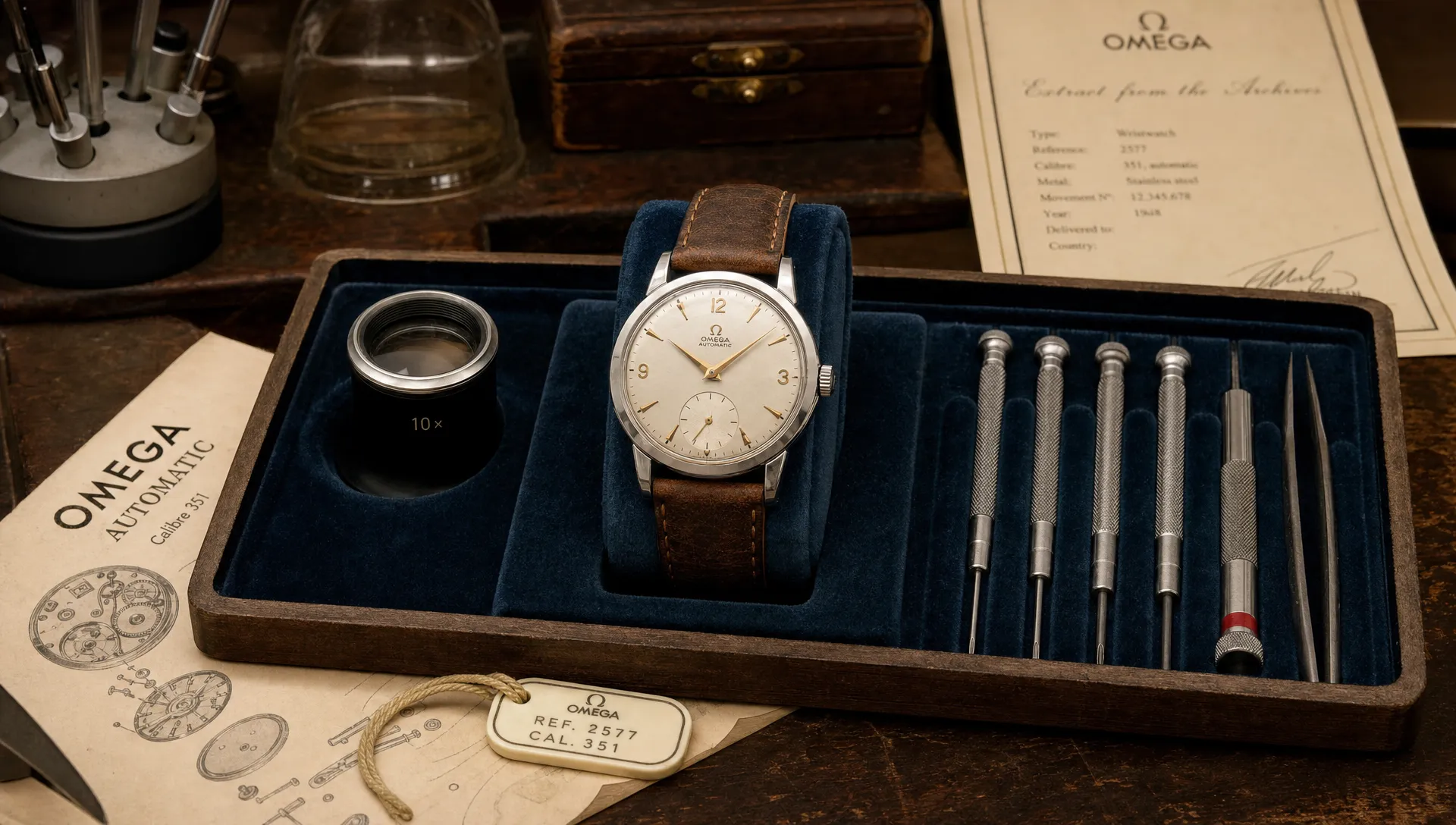
Luxury timepieces endure because they combine engineering, heritage, and emotional memory in a way few objects can. This article explores the cultural, practical, and collector forces that keep fine watches meaningful from one generation to the next.
Mechanical watches should have been made obsolete by phones, satellites, and smart devices. Yet the opposite happened. The more digital timekeeping became, the more meaningful a well-made mechanical watch began to feel. That is the enduring paradox behind luxury timepieces. They are not kept alive by necessity. They endure because they bring together craftsmanship, identity, memory, design, and culture in a form small enough to wear every day. A fine watch can mark a graduation, sit under a shirt cuff at a wedding, accompany a career, and later become a keepsake for someone who was not there when it was first purchased. Across generations, that combination has proven remarkably resilient. Trends change, case sizes expand and contract, materials rise and fall in popularity, and new collectors enter the market with different tastes. Still, the core appeal remains: a luxury watch is one of the few personal objects that can be technically fascinating, emotionally intimate, and historically connected at the same time. ## A luxury watch carries meaning beyond utility The first reason luxury timepieces continue to matter is simple: they no longer compete on practicality alone. A smartphone tells time more accurately than a mechanical movement. A connected watch can measure heart rate, deliver messages, and update itself overnight. But utility is not the full measure of value. A mechanical watch appeals because it transforms time from an abstract number into something physical. You can hear it tick, feel the rotor move, watch the seconds hand sweep, and admire the finishing through a sapphire caseback. Even a simple three-hand watch contains hundreds of decisions about proportion, texture, legibility, tolerance, and touch. That physicality gives a watch a different role in daily life. It becomes a ritual object. Winding a manual movement, setting a travel time, choosing the right watch for a dinner or flight, and noticing the patina on an older dial are experiences that digital devices rarely provide. For many owners, the watch is not only telling time. It is slowing time down. ## Craftsmanship creates trust that can outlast fashion Generational appeal depends on durability, and durability in fine watchmaking is both mechanical and aesthetic. A well-built watch can be serviced, regulated, repaired, and worn for decades. That serviceability is one reason older references from Rolex, Patek Philippe, Omega, Audemars Piguet, Cartier, and other leading maisons remain desirable long after their original production runs end. Luxury watchmaking also carries cultural weight because it represents specialized human skill. The [UNESCO inscription for the craftsmanship of mechanical watchmaking and art mechanics](https://ich.unesco.org/en/RL/craftsmanship-of-mechanical-watchmaking-and-art-mechanics-01560) recognizes this tradition as intangible cultural heritage. That matters because the appeal of a fine watch is not just the finished object. It is the accumulated knowledge behind it: movement architecture, hand finishing, case polishing, dial making, gem setting, regulating, and restoration. Collectors often learn to appreciate details gradually. At first, the attraction may be the brand or the design. Later, it may be the bevel on a bridge, the depth of a lacquer dial, the way a bracelet articulates, or the historical importance of a movement. That layered discovery gives luxury timepieces unusual staying power. They reward attention over time, which makes them easier to revisit and harder to outgrow. ## Heritage gives each watch a place in a larger story The most enduring watches are rarely isolated products. They are part of a lineage. A Rolex Submariner is connected to decades of dive watch evolution. An Omega Speedmaster evokes space exploration and chronograph history. A Patek Philippe Calatrava reflects the language of formal dress watches. A Cartier Tank carries design associations that stretch from early 20th-century modernism to contemporary elegance. This continuity gives collectors a way to participate in history without placing the object behind glass. A watch can be worn, scratched, serviced, photographed, and passed along while still retaining its link to the past. That is very different from many luxury goods that are consumed, replaced, or heavily tied to a single season. Heritage also helps explain why certain designs survive changes in taste. The best references tend to balance distinctiveness with restraint. They have enough character to be recognizable, but enough discipline to avoid feeling dated. If you are exploring watches that can work in real life rather than only in a safe, Lume Wrist Watches Journal has a practical guide to [everyday luxury watches you can actually wear](https://lumewrist.com/blog/everyday-luxury-watches-wearable-guide). ## Scarcity and continuity shape collector desire Not every luxury watch becomes collectible, and not every collectible watch rises in value. Still, scarcity is an important part of the generational appeal. Limited production, discontinued configurations, unusual dial variants, original condition, and complete provenance can make a watch feel like a finite cultural object rather than a replaceable accessory. The global strength of Swiss watchmaking shows that this appeal is not marginal. The [Federation of the Swiss Watch Industry](https://www.fhs.swiss/eng/statistics.html) reported Swiss watch exports of CHF 26.7 billion in 2023, a figure that reflected sustained demand across global markets. While year-to-year results can fluctuate, the long-term interest in high-quality mechanical watches remains substantial. For collectors, the most compelling watches often sit at the intersection of beauty, credibility, and supply. A reference may be desirable because it introduced a complication, marked a design shift, was produced in small numbers, or simply represents a brand at its best. Those qualities can be understood by one generation, rediscovered by the next, and debated endlessly by enthusiasts in between. | Pillar of appeal | Why it matters | Generational effect | |---|---|---| | Craftsmanship | Fine movements, finishing, and serviceable construction create lasting credibility | The watch can remain usable and appreciated for decades | | Heritage | Iconic designs connect owners to a broader history of design and innovation | Younger collectors inherit a story, not just an object | | Scarcity | Discontinued references and rare configurations can become harder to source | Knowledge and provenance become increasingly important | | Emotional meaning | Watches often mark personal milestones and relationships | The object can become a family memory | | Wearability | A watch lives with its owner rather than sitting unused | Signs of careful wear become part of its character | ## Emotional value turns ownership into legacy A luxury watch is often purchased for a reason that is larger than the watch itself. It may celebrate a promotion, a retirement, a wedding, the birth of a child, or the completion of a long-held goal. Over time, the object absorbs the context of that moment. That emotional layer is one reason watches are uniquely suited to inheritance. Jewelry can carry similar meaning, but a wristwatch has an unusually strong connection to routine. It is present during ordinary days as well as major occasions. The next owner may remember not only the model, but the way it looked on a parent or grandparent, the sound of the clasp, or the habit of checking the time before leaving the house. This is also why condition is nuanced in the watch world. Collectors value originality and careful preservation, but a watch does not need to be untouched to be meaningful. A polished case, service dial, or replaced bracelet may affect collector value, yet personal value can survive those changes. The most important question is often whether the watch tells an honest story. ## The pre-owned market keeps great watches in circulation The growth of the pre-owned market has made generational collecting more dynamic. Instead of viewing watches only as new retail purchases, collectors increasingly see the market as a living archive. A watch made 10, 20, or 50 years ago can return to the wrist of a new owner, often with a design language or case proportion that is no longer available new. Deloitte has repeatedly highlighted the pre-owned segment in its [Swiss Watch Industry Study](https://www.deloitte.com/ch/en/Industries/consumer/perspectives/swiss-watch-industry-study.html), reflecting how seriously the industry now treats resale, authentication, and circular ownership. For buyers, this creates opportunity, but it also raises the standard for due diligence. Authentication, condition assessment, service history, and seller credibility matter enormously. A luxury watch may be built to last, but its value and enjoyment depend on what happened before it reached your wrist. That is why many collectors prefer vetted sellers who can provide clear information, specialist inspection, and buyer protections. 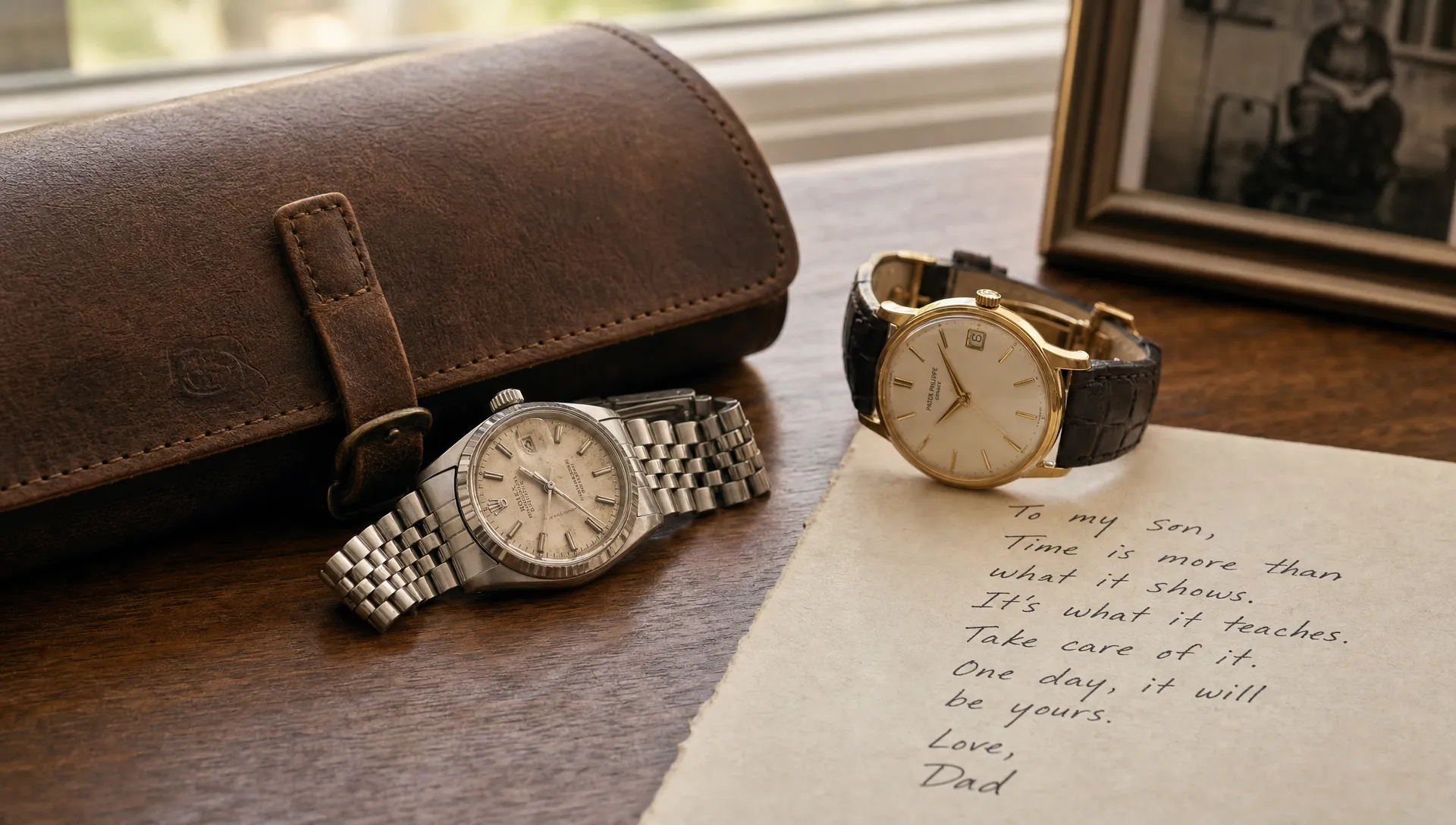 ## Younger collectors are changing the conversation One misconception is that younger buyers are less interested in traditional watches because they grew up with digital technology. In reality, many younger collectors are drawn to mechanical watches precisely because they offer something outside the digital cycle. Their tastes can be different. Some prefer vintage case sizes, integrated bracelets, neo-vintage references, colorful dials, independent watchmakers, or historically overlooked models. Others focus on sustainability and appreciate the idea of buying a watch that can be serviced rather than discarded. The appeal remains generational, but each generation chooses its own entry point. This has also expanded interest beyond the most obvious names. Independent makers, micro-mechanics, revived archives, and artisanal finishing have attracted collectors who want personality and scarcity alongside prestige. For a deeper look at that movement, Lume Wrist Watches Journal explores [the rise of independent watchmakers](https://lumewrist.com/blog/rise-of-independent-watchmakers-horology-authentication) and why they matter to modern horology. ## Design restraint helps watches age gracefully Objects that cross generations usually avoid being trapped by a single trend. In watches, that often means balanced proportions, legible dials, strong case architecture, and a design identity that can survive changing fashion. A 36 mm dress watch, a 40 mm steel sports watch, a well-proportioned chronograph, or a slim gold piece can feel current in different decades because the underlying design is coherent. By contrast, watches tied too closely to a narrow trend may still be enjoyable, but they can be harder to pass along as universal objects. This does not mean every lasting watch must be conservative. The Audemars Piguet Royal Oak was radical when introduced. The Cartier Crash remains unconventional. The Omega Ploprof was designed for a specific professional purpose and still looks distinctive. The key is not sameness. It is design conviction. A watch with a clear reason for looking the way it does has a better chance of remaining interesting. ## What to look for in a watch with lasting appeal If you are choosing a watch you may one day pass down, the best approach is to balance emotion with discipline. Buy what you genuinely want to wear, but understand the qualities that tend to support long-term appreciation. Consider these factors before purchasing: - **Authenticity and provenance:** Confirm the watch is genuine and review any available papers, service records, accessories, and ownership history. - **Condition and originality:** Look closely at the dial, hands, case geometry, bracelet stretch, movement condition, and signs of over-polishing or poor repair. - **Serviceability:** Favor watches from brands and movements with realistic maintenance pathways, especially if you expect decades of use. - **Design longevity:** Choose proportions, materials, and dial layouts that feel compelling beyond the current trend cycle. - **Personal fit:** A watch with generational potential should still suit your wrist, wardrobe, and lifestyle today. - **Collection context:** Think about how the watch fits with what you already own or plan to own, rather than buying in isolation. For collectors who want to move beyond a single purchase, our guide to [building a luxury watch collection](https://lumewrist.com/blog/building-luxury-watch-collection-definitive-guide) outlines how to create a coherent collecting philosophy without losing the emotional side of ownership. ## The strongest watches combine object, story, and stewardship Luxury timepieces hold their appeal because they are never only about the present owner. A great watch invites stewardship. You enjoy it now, maintain it responsibly, learn its history, and perhaps pass it to someone who will add another chapter. That is why the category remains powerful even in an age of instant technology. Digital devices are replaced when they slow down. Mechanical watches are restored, regulated, and remembered. They become more interesting as the world around them changes. The best watch for the next generation is not necessarily the rarest or most expensive. It is the one with enough quality to endure, enough design integrity to remain desirable, and enough personal meaning to be worth keeping. ## Frequently Asked Questions **Why do luxury timepieces remain popular when phones tell time more accurately?** Luxury timepieces offer craftsmanship, heritage, design, and emotional meaning that go beyond practical timekeeping. They are valued as wearable mechanical objects, not just tools for checking the hour. **Are luxury watches good heirlooms?** Many luxury watches can make excellent heirlooms if they are authentic, well maintained, serviceable, and personally meaningful. Documentation, condition, and thoughtful care can help preserve both financial and sentimental value. **Do all luxury timepieces increase in value?** No. Some watches appreciate, some hold value, and others decline. Market value depends on brand, reference, rarity, condition, originality, demand, and broader collector trends. It is wise to buy for enjoyment first and treat potential appreciation as uncertain. **Is a pre-owned luxury watch a good choice for generational ownership?** A pre-owned watch can be an excellent choice when purchased from a reputable seller with proper authentication and clear condition information. Pre-owned buying can also give access to discontinued references and vintage designs. **What matters most when buying a watch to pass down?** Authenticity, condition, serviceability, timeless design, and personal significance matter most. A watch that is loved, worn, and properly cared for is more likely to become a meaningful legacy. ## Choose a watch worthy of the long view If you are looking for a luxury watch with lasting appeal, start with trust. At [Lume Wrist Watches](https://lumewrist.com), you can explore curated pre-owned and collectible timepieces from leading Swiss maisons, supported by certified authentication, in-house specialist inspection, expert concierge support, insured shipping, 30-day returns, and 2-year warranty coverage. The right watch should feel exceptional today and meaningful years from now. Choose carefully, care for it well, and it may become part of a story that lasts far beyond your own wrist.