Buying Luxury Watches Overseas: Shipping, Customs, and Duties Guide
Published October 5, 2026 · Last updated October 17, 2026 · By Lume Wrist Watches Editorial Team
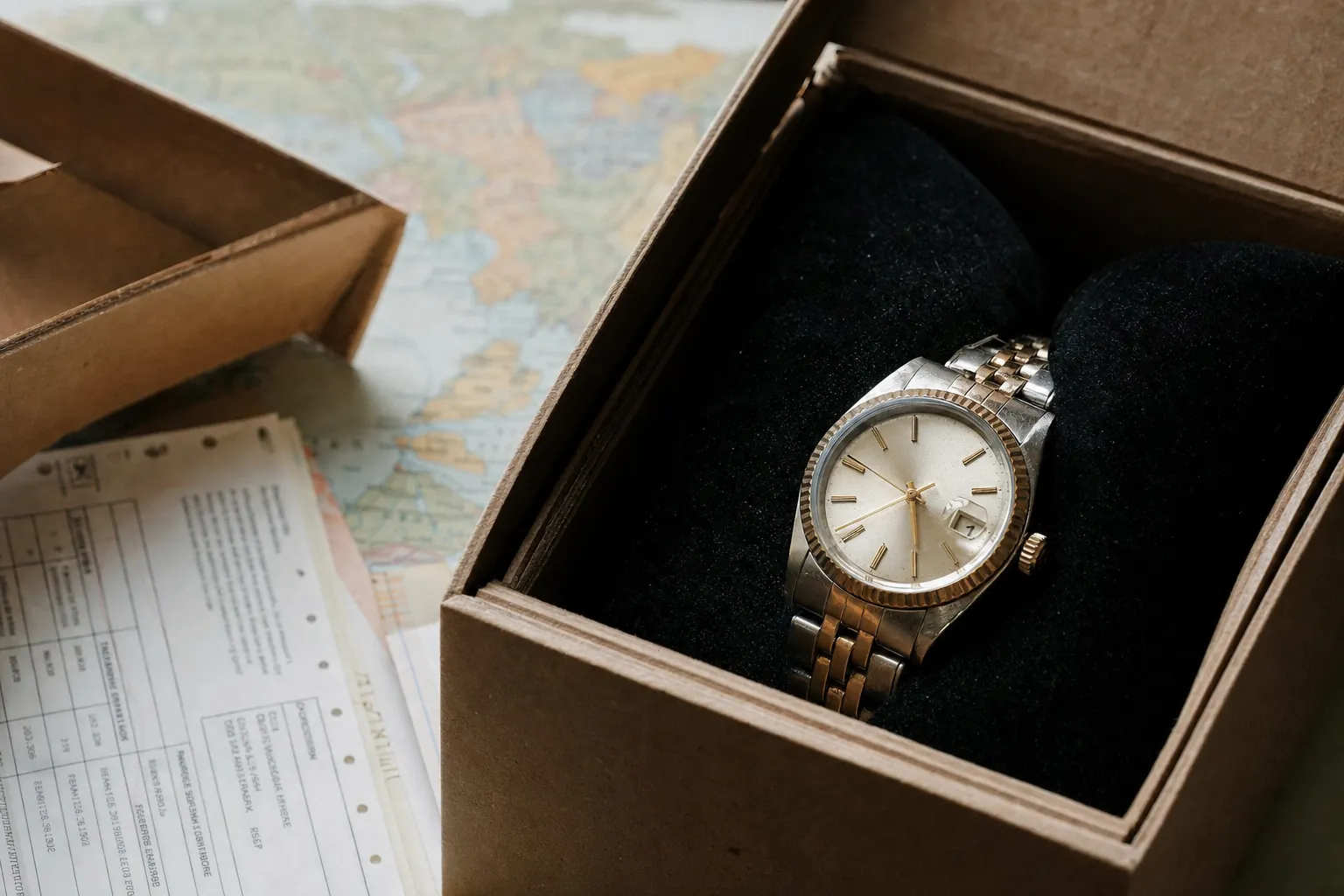
Acquiring a luxury timepiece from an international seller or dealer offers access to a broader market, potentially better pricing, or a rare reference not available domestically. However, the process involves navigating intricate rules around international shipping, customs declarations, and import duties, which can significantly impact the final cost and delivery. Understanding these factors upfront is crucial for a smooth and cost-effective acquisition of your coveted watch.
The International Purchase at a Glance: Key Considerations
Buying a luxury watch from overseas isn't just about finding the right piece; it's about mastering the logistical and financial framework that comes with international trade. Key considerations include the origin country's export regulations, the destination country's import laws (specifically for luxury goods), the choice of shipping carrier, insurance coverage, and accurate valuation for customs purposes. Neglecting any of these can lead to unexpected costs, significant delays, or even seizure of your prized acquisition. This guide provides a comprehensive overview to help you navigate these complexities effectively.
Why Consider an Overseas Purchase?
Collectors often look abroad for several reasons:
- Rarity and Availability: Certain limited editions, vintage pieces, or brand models might only be available in specific markets, or their availability might be significantly higher in one region than another. For instance, a particular Patek Philippe Calatrava model might be more readily found in European markets.
- Price Discrepancies: Exchange rates, local taxes (like VAT or sales tax), and regional market demand can create significant price differences for the same watch model across borders. A Rolex Submariner Yellow Gold 116618 Blue Dial might retail for less in certain Asian markets due to different pricing strategies or weaker local currency.
- Diverse Inventory: The global market, particularly the pre-owned sector, offers an unparalleled selection. Reputable international dealers and auction houses provide access to watches that might never appear in your local market, offering unique vintage vs. modern watches opportunities.
Full Specification of International Watch Transactions
To effectively budget and plan for an overseas luxury watch purchase, a detailed understanding of the various cost components and procedural steps is essential. These components typically fall into three main categories: purchase price, shipping costs, and import costs. Each requires careful consideration.
Cost Breakdown Table
| :------------------------ | :--------------------------------------------------------------------------------------------------------------------------------------------------------------------------------------------------------------------------------------------------------------- | :-------------------------------------------------------------------------- |
|---|---|---|
| Watch Purchase Price | The agreed-upon price with the seller. This might exclude local sales tax/VAT if purchasing from a dealer, which is often refunded upon export. | Varies widely (e.g., $5,000 - $250,000+) |
| Shipping Cost | Fee charged by the courier for transportation. Factors include package weight, dimensions, origin, destination, speed of service, and declared value. | Approximately $100 - $500 for standard, insured air freight |
| Shipping Insurance | Mandatory for luxury items. Covers loss or damage during transit. Typically a percentage of the declared value. | 0.5% - 1.5% of declared value |
| Customs Duty (Tariff) | Tax levied by the destination country's government on imported goods. Calculated as a percentage of the watch's declared value. Rates vary by country and type of watch (e.g., movement type, case material). Determined by the Harmonized System (HS) code. | Varies (e.g., ~3-5% for mechanical watches into the US from non-FTA countries) |
| Value Added Tax (VAT) / Sales Tax | Consumption tax applied in many countries. If you are importing into a VAT-regime country (like most of Europe), VAT will be charged on the combined value of the watch + shipping + duty. If importing into the US, state sales tax may apply upon arrival/declaration. | Varies (e.g., 19-27% in Europe, 0-10% in US states) |
| Brokerage/Handling Fees | Fees charged by the shipping carrier or a third-party customs broker for processing customs paperwork, duty/tax payment, and clearance. | $25 - $150 or a percentage of duties/taxes |
| Currency Conversion Fees | Costs incurred when converting your local currency to the seller's currency, or when making payments in a foreign currency. | 1% - 3% of transaction value (often hidden in exchange rates) |
Shipping Logistics and Choices
- Reputable Carriers: Always opt for established international carriers known for handling high-value goods, such as FedEx, UPS, or DHL. They offer robust tracking, insurance, and often handle customs clearance processes. Avoid national postal services for high-value items if possible.
- Insurance is Non-Negotiable: Ensure the package is fully insured for its declared value against loss, theft, and damage. Confirm who is responsible for filing a claim if an issue arises – the shipper or the recipient.
- Packaging: The seller should package the watch securely in a discreet, unmarked outer box to deter theft. Double-boxing with ample cushioning is standard practice for luxury watches delivered to all 50 states.
- Tracking: Choose a service that provides end-to-end tracking so you can monitor your watch's journey from dispatch to delivery.
Production Timeline and Regulatory Variations
The regulatory landscape for importing luxury watches varies significantly from one country to another. There's no single "standard" process, which makes understanding the specifics of both the export and import nations crucial.
Export Country Considerations
When buying from a foreign seller, it's essential to understand their local export procedures. For example, some countries may require specific export declarations or permits for high-value items, though this is less common for watches than for art or antiquities. More commonly, if you're purchasing from a dealer, they will typically handle the process of reclaiming local VAT/sales tax on your behalf once the watch has left their jurisdiction. Always confirm this refund process and timeline with the seller.
Import Country Variations: Focus on the USA
For buyers in the United States, importing a luxury watch involves specific federal regulations enforced by Customs and Border Protection (CBP).
- Harmonized System (HS) Codes: Watches are classified under specific HS codes, which determine the duty rate. For mechanical wristwatches, the code typically falls under 9102.11.00 for self-winding or 9102.19.00 for other mechanical. Quartz watches have different codes. The duty rate is usually low, often around 3-5% of the declared value for watches imported from countries without specific free trade agreements (FTAs) with the US. Watches from certain countries, like Switzerland, may benefit from lower or zero duty under specific trade agreements. You can check the US International Trade Commission (USITC) Harmonized Tariff Schedule for exact rates.
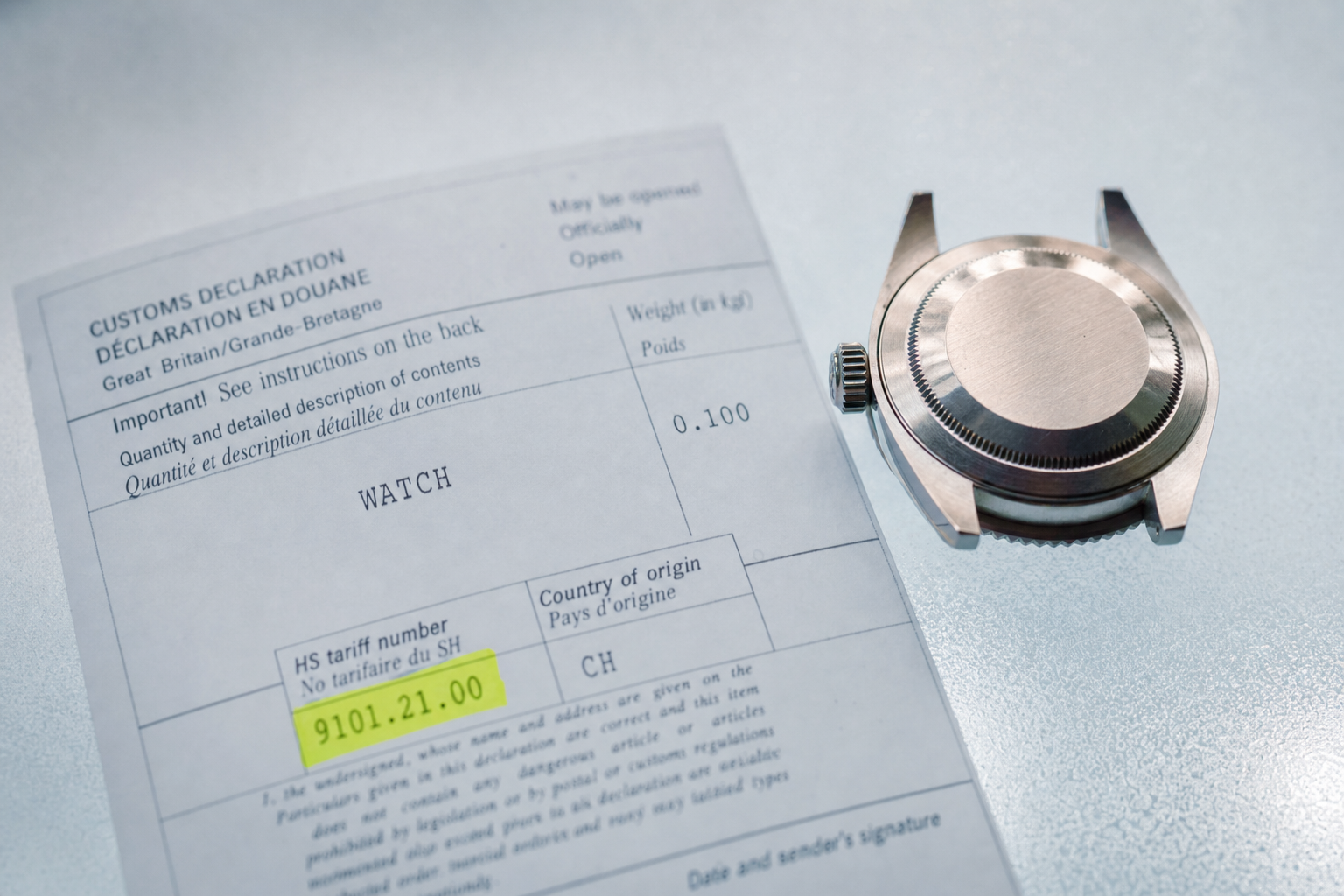
- Declared Value: The watch's full purchase price, excluding shipping but including accessories, must be accurately declared on the customs forms. Undervaluing an item is illegal and can lead to seizure, fines, and penalties. Honesty is paramount.
- Sales Tax: While federal import duty is consistent, individual US states may levy sales tax on imported goods. This is typically collected by the shipping carrier upon delivery or prior to release from customs. For example, luxury watches in New York would be subject to New York State sales tax, while luxury watches in Florida would incur Florida's sales tax. This can add a significant percentage (e.g., 6-10%) to the final cost.
- Customs Brokers: For higher value watches, particularly those above approximately $2,500, the carrier may use a customs broker to facilitate clearance. Their fees are typically passed on to the importer.
- Documentation: Ensure the seller provides a commercial invoice with a clear description of the watch (brand, model, serial number, material, movement type), the HS code, the full declared value, and proof of origin.
EU and UK Import Rules
- VAT: Importing into the EU or the UK means paying a substantial Value Added Tax (VAT) on the watch's value plus shipping plus duty. This can range from 19% to 27% depending on the specific EU member state. The UK's VAT is currently 20%.
- Customs Duty: Similar to the US, duties apply, typically around 4.5% for mechanical wristwatches, but this also varies by HS code and origin.
- EORI Number: For frequent importers or businesses, an EORI (Economic Operators Registration and Identification) number might be required.
Always verify the specific import regulations and tax rates for your destination country before committing to a purchase. Consulting with a customs broker or the official customs website of your country is advisable for absolute clarity.
Wearing Experience and Sizing on the Wrist
While this section usually discusses the physical attributes of a watch, in the context of buying a watch from overseas, the "wearing experience" shifts to the process of acquisition. It encompasses the buyer's comfort level with international transactions, the patience required for customs clearance, and the excitement of the watch finally arriving on their wrist. It's less about the watch's dimensions and more about the buyer's journey.
Managing Expectations During Transit
- Communication with Seller: Maintain open lines of communication with the seller, especially regarding tracking updates and any customs-related queries they might receive. A transparent seller, like those found at Lume Wrist Watches, will provide all necessary documentation and keep you informed.
- Customs Delays: Understand that customs clearance can sometimes take longer than expected, especially during peak seasons or for random inspections. Patience is key. Checking the tracking number regularly with the carrier's direct website is more reliable than third-party trackers.
- Payment of Duties/Taxes: Be prepared to pay duties and taxes promptly. Most carriers will contact you for payment before or upon arrival. Delays in payment will cause delays in delivery.
- Receipt and Inspection: Upon arrival, carefully inspect the package for any signs of tampering or damage before signing for it, if possible. Document everything with photos. Once opened, thoroughly inspect the watch against the seller's description and images. Report any discrepancies immediately.
The Final Cost: Beyond the Sticker Price
Many buyers are initially drawn to lower sticker prices overseas, only to be surprised by the additional costs upon import. It's crucial to calculate the all-in cost:
All-in Cost = Watch Price + Shipping + Insurance + Customs Duty + VAT/Sales Tax + Brokerage Fees + Currency Conversion Costs
Failing to account for every one of these elements can lead to a rude awakening. For a substantial purchase, like an Audemars Piguet Royal Oak, these additional costs can easily add thousands of dollars or euros to the final price.
Market Pricing and Which Variants Command a Premium
Understanding market dynamics is paramount, whether buying locally or internationally. While international markets can offer access to unique pieces or better pricing, the associated costs must be factored into the overall investment strategy. The global luxury watch market, as discussed in our Luxury Watch Investment & Market Guide: Navigating 2026, is highly fluid.
International Market Premiums and Discounts
Certain regions may offer specific advantages:
- Japan: Known for its meticulous watch culture, Japanese sellers often offer watches in exceptional condition, particularly for vintage Grand Seiko or older Rolex references. Prices can be competitive, but shipping and duties must be considered.
- Europe: A hub for many major watch brands, European markets (especially Switzerland, Germany, and the UK) can have a wider selection of contemporary models and specific regional editions. VAT refunds for non-EU buyers can make prices attractive before import duties.
- USA: For US buyers, purchasing within the country avoids import duties and complex customs, although state sales tax still applies. The US market is vast, especially for popular brands like Rolex and Omega.
The Impact of Tariffs on Premium Models
While a 3-5% duty on a $1,000 watch is negligible, the same percentage on a $50,000 Patek Philippe can amount to $1,500 - $2,500. This significantly impacts the effective "deal" one might perceive. This is why understanding how much pre-owned luxury watches cost in 2026 in different markets, including all ancillary fees, is vital for a savvy buyer. Watches like the Breitling Navitimer Automatic 35 Steel on Red Leather Strap might see a noticeable price differential after duties.
Authentication Checklist Specific to Overseas Purchases
The risk of encountering counterfeit watches is unfortunately heightened when dealing with unknown overseas sellers. While the general authentication principles apply, additional precautions are necessary to safeguard your investment, particularly since recourse can be more challenging across borders. At Lume Wrist Watches, our in-house team independent authentication process mitigates these risks for our clients.
Due Diligence on the Seller
- Reputation and Reviews: Research the seller thoroughly. Look for independent reviews, forum discussions, and their history on reputable platforms. A long-standing presence and positive feedback are good indicators. Be wary of newly established sellers offering suspiciously low prices.
- Professional Presence: Reputable dealers, whether online or brick-and-mortar, will have a professional website, clear contact information, and transparent business practices. Be cautious of sellers communicating solely through informal channels.
- Payment Methods: Secure payment methods, such as bank wire transfers to a verified business account or escrow services for high-value transactions, offer more protection than untraceable methods. Avoid sending cash or using instant payment apps to unknown individuals.
Watch-Specific Verification
- High-Resolution Images and Video: Request numerous high-resolution, unedited photos from various angles, including close-ups of the dial, movement (if visible), case back, lugs, crown, and clasp. Ask for a video to assess functionality and authenticity nuances. For a specific model like a Longines Conquest (L3.720.4.92.6), verify the movement engraving and dial texture are consistent with genuine examples.
- Original Box and Papers: While not definitive proof of authenticity alone, the presence of original box, warranty card (matching serial numbers), purchase receipt, and service records adds significant credibility and value. Ensure these documents appear legitimate.
- Movement Inspection: If possible, ask for photos of the movement. Familiarize yourself with the authentic movement's finishing, jewel count, and specific markings. For some vintage watches, comparing movement numbers with production records can offer further confirmation.
- Expert Opinion: Consider using a third-party authentication service or asking an independent expert to review the provided photos and documentation before committing to the purchase. This is a small investment that can save you from a costly mistake.
Remember that even with an excellent seller, the process of authentication for an overseas purchase requires extra diligence on the buyer's part due to the geographical distance and potential difficulties with returns or disputes. This is why many prefer purchasing from trusted domestic sources or international dealers like Lume Wrist Watches, who have already performed rigorous authentication checks.
Frequently Asked Questions
### Q1: How do I know how much customs duty and tax I will have to pay? A1: The exact amounts depend on your country of import, the watch's origin country, its declared value, and its specific Harmonized System (HS) code. You should consult your country's official customs website (e.g., US Customs and Border Protection for the USA, HMRC for the UK) or use an online duty calculator provided by major shipping carriers to get an estimate. Always factor in both duty and any applicable VAT/sales tax.
### Q2: What is an HS Code, and why is it important for importing a watch? A2: An HS Code is a standardized numerical classification for internationally traded products. It's crucial because customs authorities use this code to determine the correct duty rate for your imported watch. An incorrect HS code can lead to overpayment of duties, delays, or even seizure if found to be intentionally misleading. Ensure the seller provides the correct code on the commercial invoice.
### Q3: Can I avoid paying import duties or taxes by asking the seller to declare a lower value or mark it as a "gift"? A3: No, this practice is illegal and strongly discouraged. Deliberately undervaluing goods or falsely labeling them as gifts constitutes customs fraud. If caught, you risk fines, penalties, seizure of the watch, and a potentially permanent record with customs authorities. Always insist on truthful declarations for the watch's full purchase price.
### Q4: What happens if my watch gets lost or damaged during international shipping? A4: This is why comprehensive shipping insurance is critical. If loss or damage occurs, you or the seller (depending on who purchased the insurance) will need to file a claim with the shipping carrier. Ensure you understand the insurance policy's terms, including coverage limits, claim procedures, and required documentation (e.g., photos of damage, proof of value). Always inspect the package upon arrival and document any issues.
### Q5: How do I handle currency conversion when buying from overseas? A5: Most international purchases will require currency conversion. Your bank or credit card company will convert the foreign currency at their prevailing exchange rate, often adding a foreign transaction fee (typically 1-3%). Alternatively, some platforms offer built-in currency conversion. Always compare exchange rates and fees across different payment methods to minimize costs. Be aware that exchange rates fluctuate daily.
### Q6: How long does it typically take for a luxury watch to clear customs? A6: Customs clearance times vary widely. For routine shipments with correct documentation, it can be as quick as 24-48 hours. However, it can extend to several days or even weeks if there are discrepancies in documentation, if the package is selected for a random inspection, or during periods of high volume like holidays. Proactive and accurate documentation from the seller is the best way to minimize delays.
Contact Lume Wrist Watches
Considering an international luxury watch acquisition or need expert guidance on your next purchase? Our team at Lume Wrist Watches is here to assist. For personalized advice, sourcing, or questions about our authenticated collection, please reach out:
- Email: sales@lumewrist.com
- Phone: +1 (332) 285-2190
- Boutique: 18 East 48th Street, Suite 1503, New York, NY 10017
- Hours: Mon–Fri 9:00 AM – 7:00 PM EST · Closed Saturday & Sunday
You can also visit our contact page or explore our shop to discover our extensive collection of authenticated timepieces. For those located in major markets, we offer seamless service whether you're looking for luxury watches in California, luxury watches in Texas, or simply require luxury watches delivered to all 50 states.
Final Thoughts
Buying a luxury watch from overseas can be a highly rewarding experience, opening doors to a wider array of timepieces and potentially better value. However, the success of such an endeavor hinges on meticulous planning and a thorough understanding of the logistical and financial implications of international trade. From selecting a trusted seller and understanding how to assess Omega watches for sale before buying to precisely calculating shipping, insurance, duties, and taxes, every step requires careful attention. Equipping yourself with this knowledge ensures that the anticipation of your new acquisition isn't overshadowed by unexpected costs or customs complexities.
At Lume Wrist Watches, we specialize in providing a secure and transparent experience, whether you're exploring the nuances of the global market or looking to invest in specific pieces. We encourage you to explore our authenticated collection and leverage our expertise to make your next luxury watch purchase a truly seamless one. Remember, a well-informed decision is the best investment, especially when dealing with the dynamic nature of the luxury watch market cycle in 2026.