Vintage vs. Modern Watches: Which Should You Buy in 2026?
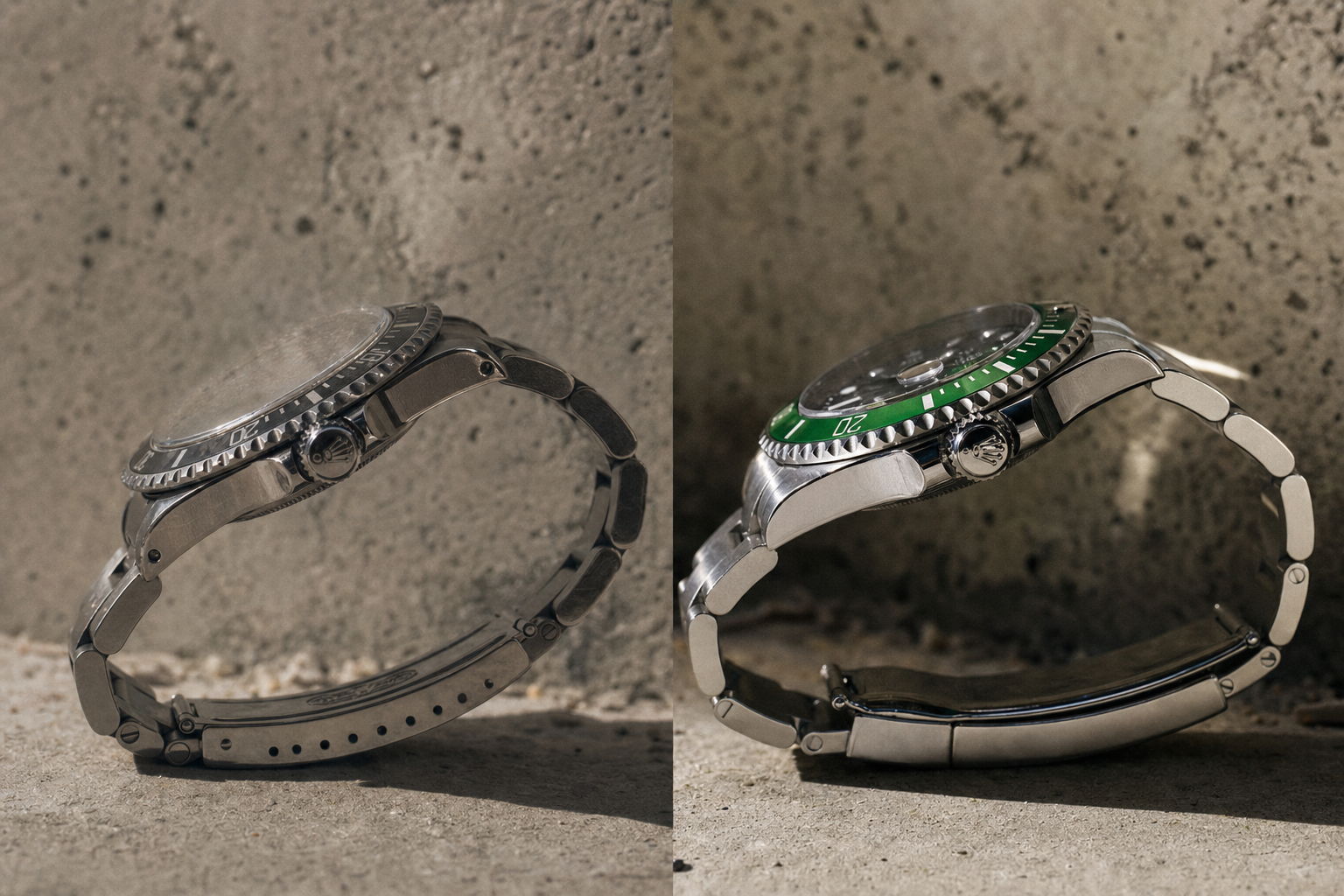
Exploring vintage vs. modern luxury watches for investment in 2026. Delve into appreciation potential, design, movements, and value retention to make an informed buying decision.
# Vintage vs. Modern Watches: Which Should You Buy in 2026? Deciding between a **vintage watch** and a **modern timepiece** as an investment in 2026 is a complex endeavor, with both categories offering distinct advantages and potential pitfalls for appreciation. Generally, **certain vintage watches**, particularly rare, historically significant, or limited-production models from top-tier brands like Rolex, Patek Philippe, and Audemars Piguet, have demonstrated **superior long-term appreciation potential** due to their finite supply and growing collector demand. However, **select modern watches**, especially those with immediate scarcity, innovative movements, or high demand exceeding supply (often called "hype models"), can also see rapid short-term value increases. For the discerning collector or investor, understanding the nuanced market dynamics and specific attributes of each category is paramount. ## Verdict Summary: Navigating Appreciation Potential in 2026 When evaluating **vintage vs. modern watches** for their appreciation potential, there's no single, universally superior choice; rather, it hinges on specific models, market conditions, and individual collector preferences. In 2026, the market continues to favor rarity, provenance, and intrinsic horological value. **Vintage watches**, particularly those with a strong historical narrative, original components, and limited production, often offer a more stable and potentially significant long-term appreciation curve. Their finite supply naturally drives value as demand from collectors intensifies. Think of specific **Rolex Daytona** references like the "Paul Newman" (Ref. 6239 or 6263) or early **Patek Philippe Nautilus** (Ref. 3700/1A) – these pieces have consistently outperformed many contemporary assets. However, they demand a deeper understanding of authenticity and condition, as restoration or replacement parts can significantly impact value. Conversely, **modern luxury watches**, especially those from highly sought-after collections or limited editions, can experience rapid, sometimes speculative, appreciation immediately after purchase. Brands like **Audemars Piguet Royal Oak** (e.g., Ref. 15202ST, now 16202ST) or certain **Rolex sport models** (e.g., GMT-Master II Ref. 126710BLNR "Batman" or Submariner Ref. 126610LV "Starbucks") have seen values soar above retail. This appreciation is often driven by brand desirability, manufacturing constraints, and the "waitlist phenomenon." Yet, the sustainability of this rapid growth can be more volatile; a dip in demand or an increase in production could stabilize or even reduce values. For a balanced portfolio, a mix of both categories, carefully chosen, might offer the best strategy for navigating the dynamic luxury watch market in 2026, as detailed in our comprehensive [Luxury Watch Investment & Market Guide: Navigating 2026](/blog/luxury-watch-investment-market-guide-2026). ## Side-by-Side Specification Table Understanding the fundamental differences in specifications is crucial when comparing vintage and modern timepieces. This table highlights common distinctions. | Feature | Vintage Watches (Approx. Pre-2000) | Modern Watches (Approx. 2000-Present) | | :---------------- | :--------------------------------------------------------------- | :---------------------------------------------------------------------- | | **Case Diameter** | Typically 30-38mm; larger sports models up to 40mm. | Commonly 38-45mm; often larger, bolder aesthetics. | | **Materials** | Predominantly stainless steel, yellow gold, occasional platinum. | Wider range: stainless steel, white/rose gold, platinum, titanium, ceramic, carbon fiber. | | **Movement** | Manual-wind or earlier automatic movements; often less robust. | Advanced automatic, highly shock-resistant, anti-magnetic, longer power reserve. | | **Crystal** | Acrylic (Plexiglass) is common; some early sapphire. | Almost exclusively sapphire crystal, often with anti-reflective coating. | | **Water Resistance** | Minimal (often not guaranteed); 30m or less common. | 50m to 300m+ (sport models), highly reliable. | | **Lume** | Radium (pre-60s), Tritium (60s-90s) – often faded or dead. | Super-LumiNova, Chromalight – bright, long-lasting. | | **Maintenance** | Specialized parts, experienced watchmakers required. | Readily available parts, standardized servicing. | | **Aesthetics** | Smaller, often warmer patina, subtle character from age. | Larger, bolder, sharper lines, contemporary finishes. | This broad overview provides a starting point, but specific models will, of course, vary. For instance, an [Omega Omega Seamaster Chronograph ‘Jedi’ (176.007)](/product/omega-seamaster-chronograph-jedi-176-007) from the 1970s, while vintage, had a relatively robust case for its time, contrasting with much smaller dress watches of the era. ## Design and Wearability Compared **Vintage watches** typically embody a more understated aesthetic, reflecting the design sensibilities of their era. Case sizes were generally smaller, with 30mm to 36mm being common for men's dress watches, and sports models rarely exceeding 40mm until later decades. This often translates to a more elegant, subtle presence on the wrist. Think of the classic **Rolex Datejust** Ref. 1601 at 36mm or a **Patek Philippe Calatrava** of similar diameter. The use of materials was also more constrained, with stainless steel, yellow gold, and occasional platinum being the norm. Dials often exhibit unique characteristics developed over time, such as "tropical dials" (where black dials have faded to brown) or charming patina on the lume plots, adding to their unique character and appeal for collectors seeking authenticity and history. The acrylic crystals found on many vintage pieces contribute to a warmer, softer visual appearance, though they are more prone to scratches. **Modern watches**, by contrast, often feature larger case diameters, with 38mm to 42mm being standard, and some sports watches pushing beyond 45mm. This trend towards larger sizes reflects contemporary fashion preferences for a bolder wrist presence. The material palette is far more diverse, incorporating innovative alloys like ceramic, carbon fiber, titanium, and various shades of gold (rose, white, yellow), often with intricate finishing techniques. Dials are typically pristine, with vibrant, long-lasting luminescence (e.g., Super-LumiNova or Chromalight) and crisp, legible displays. Sapphire crystals are ubiquitous, offering superior scratch resistance and often featuring anti-reflective coatings for enhanced clarity. While modern designs benefit from advanced manufacturing tolerances, ensuring consistency and precision, they can sometimes lack the unique, "one-of-a-kind" charm that time bestows upon vintage pieces. Wearability for modern watches generally means greater durability and resistance to daily wear, making them practical choices for regular use. For examples of contemporary design and robust construction, explore our [authenticated collection](/shop) including current [Rolex collection](/shop?brand=Rolex) models. ## Movement and Accuracy Compared  The heart of any timepiece lies in its movement, and this is an area where **vintage and modern watches** exhibit significant evolutionary differences. **Vintage movements** were masterworks of mechanical engineering for their time, often hand-finished and designed with repairability in mind. Calibers like the **Valjoux 72** (found in early Rolex Daytonas) or **Patek Philippe's own in-house movements** are celebrated for their intricate architecture and historical significance. However, these movements typically offer lower power reserves (often 36-48 hours), less resistance to shock, and are more susceptible to magnetic interference. Their accuracy, while respectable for their era, usually falls within chronometer standards of -4/+6 seconds per day, but can be more variable depending on age and service history. Finding replacement parts for older, discontinued calibers can be challenging and expensive, requiring skilled watchmakers specializing in [Watchmaking Explained: Movements & Complications – A Collector's Guide](/blog/watchmaking-explained-movements-complications-collectors-guide). **Modern movements** benefit from decades of technological advancement, leveraging computer-aided design, advanced materials, and sophisticated manufacturing processes. Innovations like **silicon hairsprings**, **Co-Axial escapements** (as seen in [Omega Co-Axial & Master Chronometer Explained: The Ultimate Guide](/blog/omega-co-axial-master-chronometer-explained)), and enhanced anti-magnetic properties have dramatically improved performance. Contemporary movements boast significantly longer power reserves (often 70-80 hours, or even multiple days), superior shock protection, and exceptional accuracy, with many meeting stringent **Master Chronometer** or **COSC Chronometer** certification standards, typically guaranteeing -2/+2 seconds per day. Service intervals are often longer, and parts are readily available. While some argue that modern movements lack the "soul" of their vintage counterparts due to increased automation in manufacturing, their performance, durability, and convenience are undeniably superior for everyday wear. Examples like the **Rolex Caliber 32xx series** or **Omega's Caliber 8800/8900 series** epitomize this modern horological excellence, offering robust and reliable timekeeping for decades. ## Price and Value Retention Compared When assessing **price and value retention**, the landscape for vintage and modern watches is nuanced, heavily influenced by brand, model, rarity, condition, and market sentiment. Generally, the entry point for a desirable **vintage luxury watch** can be quite accessible, with many solid gold dress watches from reputable brands available for under $5,000 to $10,000. However, highly sought-after vintage sports watches or complicated pieces from top-tier brands can command astronomical figures, often reaching six or even seven figures. Their appreciation often stems from a fixed supply meeting ever-increasing demand, coupled with historical significance and unique characteristics like original patina. For example, a **Rolex Submariner Ref. 5513** in excellent, unpolished condition with original dial and hands has seen consistent, strong growth over decades, whereas a comparable new Submariner will typically depreciate before it begins to appreciate on the secondary market. **Modern luxury watches** typically face an initial depreciation hit, similar to a new car, once they leave the authorized dealer. The grey market often reflects prices below retail for many models. However, a select few "hype" models defy this trend, trading significantly above retail almost immediately due to extreme demand and limited production. These include specific **Rolex Professional models**, certain **Audemars Piguet Royal Oaks** (e.g., the 39mm "Jumbo" Ref. 16202ST), and **Patek Philippe Nautilus** (Ref. 5711, now discontinued, or 5811). The appreciation of these models is often driven by brand desirability, marketing, and the perception of exclusivity. While some of these have shown incredible gains in the short term, their long-term stability can be less predictable compared to established vintage rarities. The "hype" factor can be fleeting, and market corrections are possible. For investment, the key differentiator lies in the *source* of value. Vintage value is often intrinsic and historical, accruing slowly but steadily due to rarity and provenance. Modern value, particularly for over-retail models, is often speculative, driven by brand power and scarcity. For stable, long-term growth, carefully selected **vintage pieces** often present a more reliable bet, provided their authenticity and condition are unimpeachable. For potential rapid, albeit riskier, gains, specific **modern "hot" models** might appeal to a different investment strategy, but require careful market monitoring. This is a topic thoroughly explored in our [Luxury Watch Investment & Market Guide: Navigating 2026](/blog/luxury-watch-investment-market-guide-2026). ## Who Should Buy Which — Three Clear Buyer Profiles ### The Historical Connoisseur & Long-Term Investor This buyer is driven by a deep appreciation for horological history, craftsmanship, and unique provenance. They seek watches that tell a story, offer a distinct aesthetic, and are likely to appreciate steadily over decades. This profile prioritizes originality, unpolished cases, and rare dial configurations over modern convenience or immediate performance. They are willing to invest time in researching specific reference numbers, understanding movement variations (e.g., early **Rolex GMT-Master** Ref. 1675 with a gilt dial), and sourcing pieces with verifiable service history. For them, the charm of a beautifully aged dial or a historically significant movement outweighs the pristine perfection of a modern counterpart. They understand the intricacies of authentication and are prepared for the specialized maintenance that vintage pieces often require. Their investment horizon is typically 10+ years, viewing watches as tangible assets with cultural value, similar to art collecting. They might be drawn to the uniqueness of an [Omega Omega Constellation Yellow Gold](/product/omega-constellation-yellow-gold) with a pie-pan dial or a vintage [Rolex collection](/shop?brand=Rolex) sport model. ### The Contemporary Enthusiast & Performance-Driven Collector This buyer values cutting-edge technology, robust construction, and modern design aesthetics. They seek watches that offer superior accuracy, extended power reserves, enhanced water resistance, and the latest materials. While they appreciate heritage, their primary focus is on the present and future of watchmaking. They prefer watches that can withstand daily wear without excessive concern, benefiting from sapphire crystals and advanced anti-magnetic properties. This collector might be drawn to the precision of a **Master Chronometer** certified Omega, the innovative materials of a Hublot, or the subtle refinements of the latest **Rolex Submariner**. They may also be interested in high-demand models that offer immediate prestige and potential short-term value appreciation, provided they can acquire them at or near retail. For them, a **clean, reliable, and technologically advanced timepiece** is paramount, whether for daily wear or as a modern collectible. They appreciate the comprehensive support and warranties that come with newer pieces. They might also explore robust tool watches like the [Oris Oris Divers Date (01 733 7795 4055)](/product/oris-divers-date-01-733-7795-4055). ### The Balanced Portfolio Builder & Crossover Collector This individual seeks a diversified watch collection that leverages the strengths of both vintage and modern markets. They aim for a blend of historical significance and contemporary performance, balancing the potentially slower, more stable appreciation of vintage pieces with the opportunity for quicker gains (and higher risks) from select modern "hype" models. They understand that a well-rounded collection can mitigate risks and offer different avenues for enjoyment and investment. This buyer might own a classic **Patek Philippe Calatrava** for its timeless elegance and historical weight, alongside a modern **Audemars Piguet Royal Oak** for its iconic design and robust construction. They are adept at researching market trends for both categories, identifying undervalued vintage gems and critically evaluating the sustainability of modern market premiums. They prioritize condition and authenticity across the board, utilizing services like [our in-house team independent authentication](/policies/authenticity) and considering diverse options from our [all featured maisons](/brands) to build a collection that is both personally fulfilling and financially savvy. This buyer often utilizes services like our [concierge sourcing service](/concierge) to find specific pieces across both segments, whether it's a rare vintage **Vacheron Constantin** or a new release **Cartier** from our [Cartier watches](/shop?brand=Cartier) collection. ## Frequently Asked Questions ### 1. Are vintage watches a better investment than modern watches? "Better" is subjective and depends on your investment goals. **Certain vintage watches**, particularly rare, iconic, and well-preserved examples from top brands, have shown consistent long-term appreciation due to finite supply and historical significance. **Modern watches** can offer rapid short-term gains if they are highly sought-after "hype" models, but their long-term value retention can be more volatile and less predictable. ### 2. How do I authenticate a vintage watch?  Authenticating a vintage watch requires specialized knowledge of reference numbers, movements, dials, hands, and case details. It's crucial to consult reputable experts or utilize professional authentication services like those offered by [Lume Wrist Watches](/policies/authenticity). Look for matching serial numbers, correct period-specific components, and documented provenance to ensure originality. ### 3. What are the main risks associated with investing in vintage watches? The main risks include authenticity concerns, condition issues (e.g., replaced parts, over-polished cases), and potential high service costs due to discontinued parts. Without expert assessment, one might unknowingly purchase a "frankenwatch" (a watch assembled from non-original parts) or a piece that requires significant, costly restoration, impacting its value. ### 4. Can modern watches really appreciate above their retail price? Yes, absolutely. A select number of **modern luxury watches**, primarily from brands like Rolex, Patek Philippe, and Audemars Piguet, frequently trade for significantly above their retail price on the secondary market. This is driven by extreme demand, limited production, and long waitlists at authorized dealers, creating artificial scarcity. ### 5. What should I look for in a modern watch for potential appreciation? For potential appreciation in a modern watch, look for models from highly coveted brands with manufacturing constraints, iconic designs, unique complications, or limited editions. Strong brand recognition, consistent demand, and a history of holding value on the secondary market are key indicators. Models that are difficult to acquire new often see immediate premiums. ### 6. Is it harder to maintain a vintage watch compared to a modern one? Generally, yes. **Vintage watches** often require more specialized care and maintenance. Parts for older movements can be scarce, and fewer watchmakers possess the expertise to properly service them. **Modern watches**, with their standardized components and advanced materials, are typically easier and less costly to service, with readily available parts and broader service network support. ## Contact Lume Wrist Watches Ready to explore your next luxury timepiece? Whether you're seeking a rare vintage gem or a cutting-edge modern masterpiece, our experts are here to guide you. Contact Lume Wrist Watches for personalized assistance. * **Email:** sales@lumewrist.com * **Phone:** +1 (315) 413-9130 * **Boutique:** 18 East 48th Street, Suite 1503, New York, NY 10017 * **Hours:** Mon–Fri 9:00 AM – 7:00 PM EST · Closed Saturday & Sunday Visit our [contact page](/contact) or browse our extensive [shop](/shop) for our curated selection. If you're in the market for [luxury watches in New York](/watches/new-york) or even looking for [luxury watches in Florida](/watches/florida), we deliver unparalleled service across the nation. ## Final Thoughts The debate between vintage and modern watches for investment in 2026 remains vibrant, with each category offering unique rewards and challenges. While **vintage watches** often promise a romantic connection to history and potentially robust long-term appreciation for the patient and discerning collector, **modern timepieces** can deliver cutting-edge performance, immediate gratification, and, for select models, rapid short-term value increases. Ultimately, the best choice aligns with your personal taste, risk tolerance, and investment horizon. Building a collection that balances both segments can often be the most rewarding strategy. We invite you to explore our [authenticated collection](/shop) at Lume Wrist Watches to discover the perfect timepiece for your wrist and your portfolio.