How Much Do Pre-Owned Luxury Watches Cost in 2026?
Published October 5, 2026 · Last updated October 17, 2026 · By Lume Wrist Watches Editorial Team
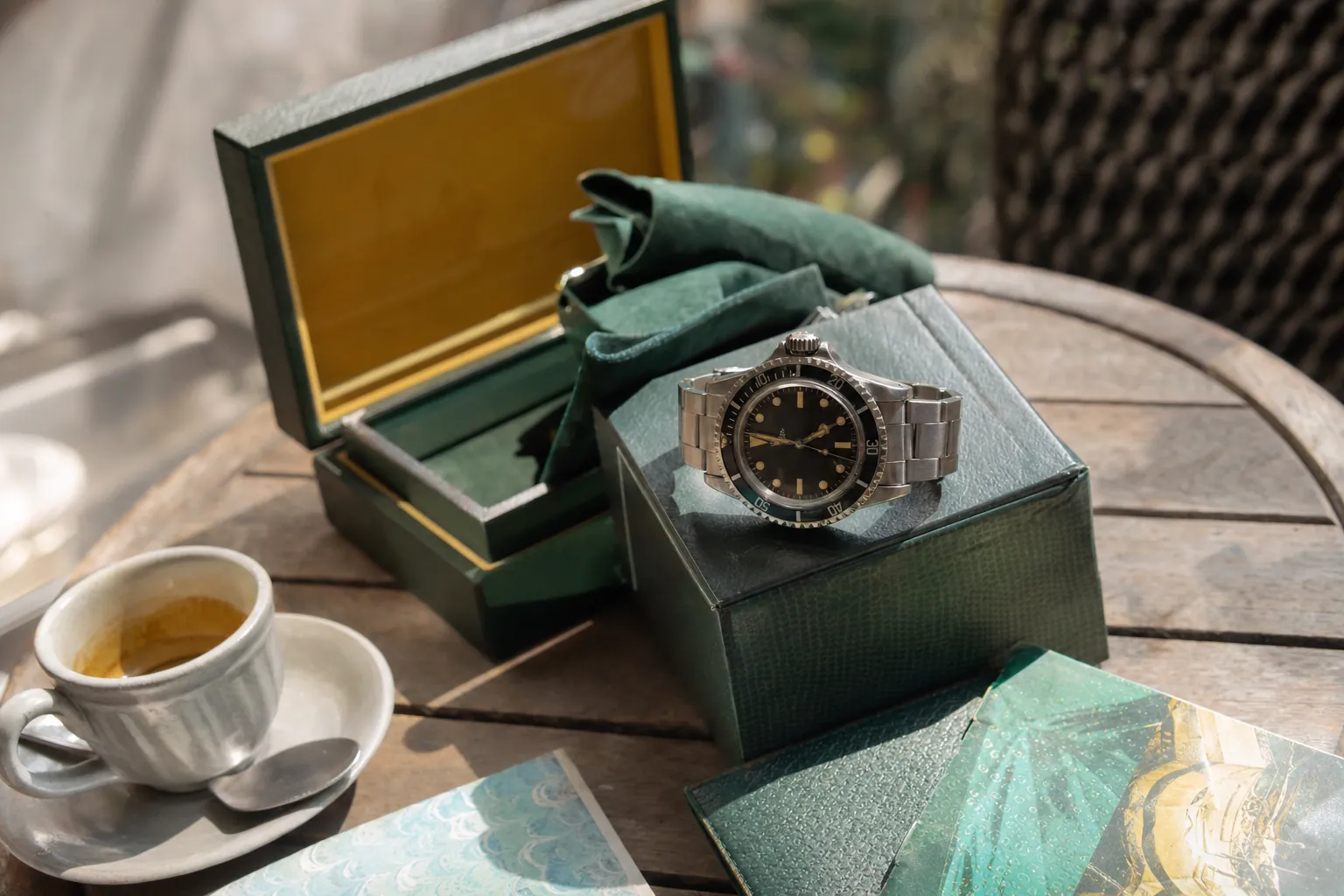
Pre-owned luxury watch prices in 2026 exhibit significant variability, generally ranging from $3,000 for entry-level models from established brands to well over $500,000 for highly sought-after, rare, or historically significant pieces. The exact cost is primarily dictated by three critical factors: the watch's condition, the completeness of its original documentation and accessories (papers), and prevailing market demand fueled by brand prestige, model rarity, and current trends. Expect a premium for models in "unworn" condition with full sets, especially those experiencing heightened collector interest, such as specific Rolex sports models or Patek Philippe grand complications.
Understanding what drives these valuations is paramount for both buyers and sellers in the dynamic luxury watch market. At Lume Wrist Watches, we delve deep into these nuances to ensure transparency and informed decisions for our discerning clientele.
Price Breakdown Table by Reference / Material / Condition
Determining the exact price of a pre-owned luxury watch requires a meticulous assessment of its individual characteristics. The following table illustrates approximate price ranges for popular models, highlighting how condition, material, and the presence of papers significantly influence valuation. These are observations of the current market and are subject to change.
| Model / Reference | Material | Condition | Papers/Box | Approximate Price Range (USD) | Key Observations |
|---|---|---|---|---|---|
| :---------------------------- | :------------- | :---------- | :--------- | :---------------------------- | :--------------------------------------------------- |
| Rolex Submariner Date | Stainless Steel | Excellent | Full Set | $12,000 - $18,000 | Modern references (e.g., 126610LN) hold strong value. |
| (e.g., Ref. 126610LN) | Good | Watch Only | $9,500 - $11,500 | Minor wear, no original papers can reduce value significantly. | |
| Fair | Watch Only | $8,000 - $9,000 | Requires servicing, visible wear, often polished. | ||
| Omega Speedmaster Pro | Stainless Steel | Excellent | Full Set | $5,500 - $8,000 | "Moonwatch" appeal, specific references (e.g., 3861) perform well. |
| (e.g., Ref. 3861.50.00) | Good | Watch Only | $4,000 - $5,000 | Popular entry-level collector's piece. | |
| Patek Philippe Calatrava | Rose Gold | Excellent | Full Set | $35,000 - $55,000 | Classic dress watch, precious metal models command a premium. |
| (e.g., Ref. 5196R) | Good | Watch Only | $28,000 - $32,000 | Patek's brand prestige ensures strong retention, even without papers. | |
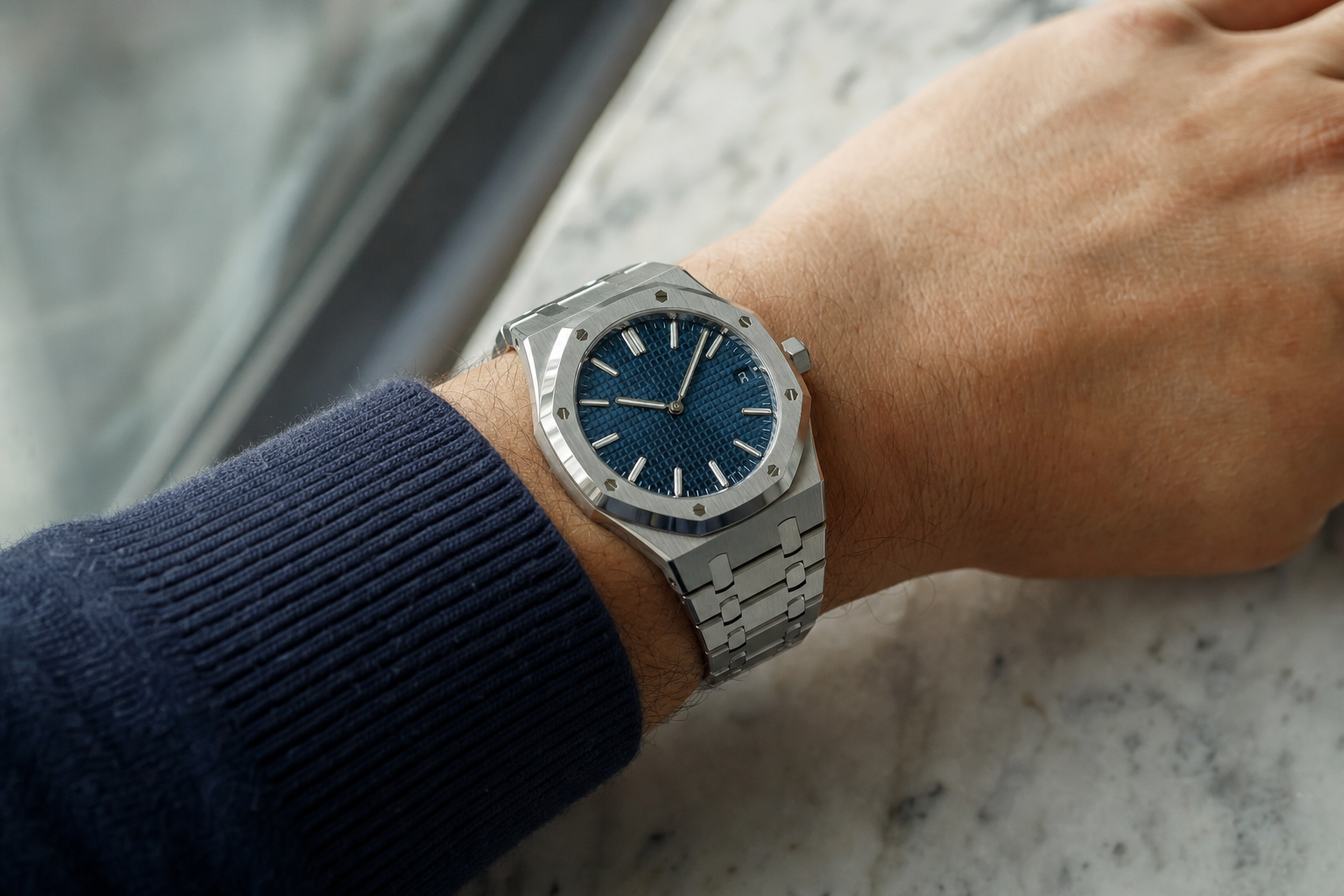
| Audemars Piguet Royal Oak | Stainless Steel | Excellent | Full Set | $60,000 - $100,000+ | Iconic design, high demand for popular references (e.g., 15500ST). |
| (e.g., Ref. 15500ST) | Good | Watch Only | $45,000 - $55,000 | Expect a significant drop without full provenance due to brand exclusivity. | |
| Cartier Tank Française | Steel & Gold | Excellent | Full Set | $4,500 - $7,000 | Fashion-forward, strong female market, robust resale. |
| (e.g., Mid-size) | Good | Watch Only | $3,000 - $4,000 | Often purchased for daily wear, so watch-only is more common. |
What Drives the Price: Materials, Movement, Rarity, Condition, Papers
The valuation of a pre-owned luxury watch is a complex interplay of intrinsic and extrinsic factors. Understanding these drivers is key to navigating the market, whether you're seeking to invest or simply find a cherished timepiece.
Materials and Craftsmanship
The materials used in a watch's construction are a fundamental price driver. Precious metals like gold (yellow, rose, white), platinum, and palladium inherently increase value. A Patek Philippe Calatrava Ref. 5196R in rose gold, for example, will naturally command a significantly higher price than a stainless steel equivalent due to the raw material cost and the intricate finishing required. Modern high-tech materials such as ceramic, titanium, or carbon fiber, particularly those developed in-house, also contribute to value due through their technological advancements, durability, and manufacturing complexity. The level of hand-finishing applied to the case, dial, and movement parts - such as anglage, Geneva stripes, perlage - speaks to the artisanal labor involved and justifies higher price points.
Movement and Complications
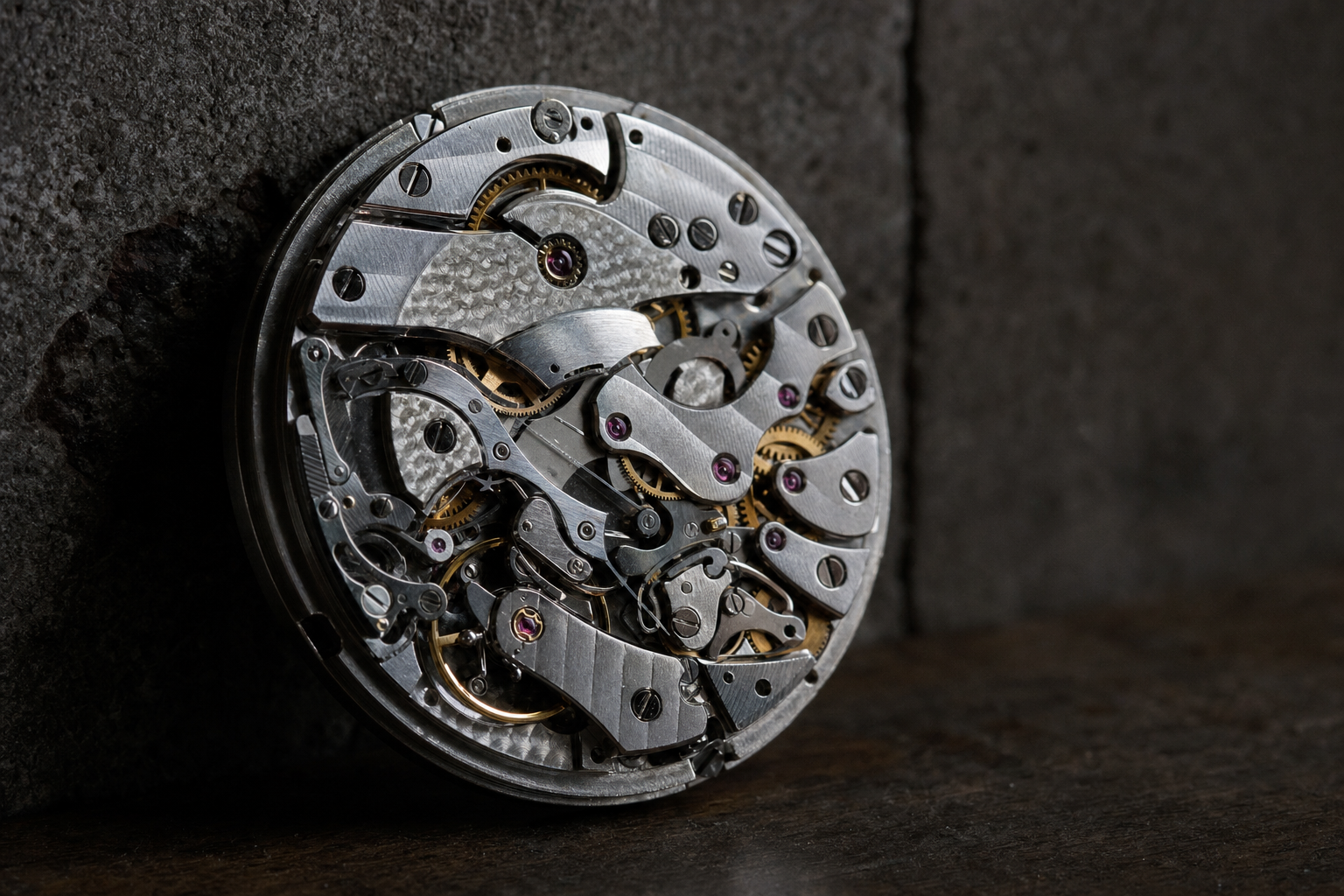
The heart of any luxury watch is its movement. In-house mechanical movements are almost universally valued more highly than outsourced or quartz alternatives. Movements from renowned manufacturers like Rolex, Patek Philippe, Audemars Piguet, and Omega, particularly those with COSC certification for chronometric precision, signify superior engineering and craftsmanship. Complications further elevate a watch's value. A simple time-only watch will be less expensive than one featuring a chronograph, annual calendar, perpetual calendar, tourbillon, or minute repeater. The complexity of a tourbillon movement for instance, represents hundreds of hours of expert watchmaking and commands a substantial premium.
Rarity and Collectibility
Scarcity often translates directly to higher prices. Limited editions, discontinued references, or watches with unique historical provenance (e.g., a specific Omega Speedmaster Pro that flew to the moon) are highly sought after. Watches produced in very small numbers, or those with unique dial configurations (often dubbed "tropical dials" or "patina dials" for vintage pieces), attract ardent collectors willing to pay a premium. Consider the extreme demand for certain Audemars Piguet Royal Oaks or Rolex Daytona models; their perceived scarcity relative to demand drives market prices significantly above retail.
Condition: The Visual and Mechanical State
Perhaps the most immediate factor influencing pre-owned prices is the watch's condition. A watch graded as "unworn" or "mint" will always fetch the highest price. This implies no visible signs of wear, dents, scratches, or damage to the case, crystal, dial, or hands. Conversely, a watch in "fair" or "poor" condition, showing significant wear, requiring extensive servicing, or having non-original parts, will be priced considerably lower. Key elements assessed include:
- Case and Bracelet: Presence of scratches, dents, polishing marks. An unpolished case retains sharper lines and is generally more desirable.
- Dial and Hands: Originality, presence of patina, lume condition, absence of corrosion or damage.
- Crystal: Scratches, chips, or cracks.
- Movement: Accuracy, power reserve, cleanliness, evidence of proper servicing. At Lume Wrist Watches, our in-house team independent authentication meticulously evaluates every timepiece.
Papers and Provenance: The "Full Set" Premium
The presence of original box and papers (guarantee card, chronometer certificate, instruction manuals, service records) can add a substantial premium – often 10-25% or even more – to a luxury watch's value. This "full set" provides irrefutable proof of authenticity, origin, and often, service history, significantly bolstering buyer confidence. For collectors, a complete set offers a more fulfilling ownership experience and a stronger investment profile. Watches without papers are often viewed with more scrutiny and may be harder to sell at top market rates, particularly for high-value pieces like a Patek Philippe timepieces.
Retail vs Pre-Owned vs Auction Pricing Compared
Understanding the three primary channels for acquiring luxury watches is crucial for price expectations and strategic buying. Each offers distinct advantages and pricing dynamics.
Retail (Authorized Dealers)
Pros: New, pristine condition; full manufacturer's warranty; official provenance; often a celebratory buying experience. Retail pricing is typically fixed by the brand.
Cons: Immediate depreciation upon leaving the store for most models; long waiting lists for highly sought-after models (e.g., certain Rolex collection professional models); limited availability of discontinued references. For models like the Rolex Submariner Date, current retail prices are around $9,900, but market demand for specific references can push pre-owned prices above this.
Pre-Owned Market (Dealers like Lume Wrist Watches)
Pros: Access to a vast selection of current, vintage, and discontinued models; often better pricing than retail for non-hyped models; immediate availability; thorough our in-house team independent authentication and warranty from reputable dealers. Prices reflect market demand, condition, and availability.
Cons: Condition can vary; potential for fakes if buying from unverified sources; pricing can be highly variable based on dealer markups and market fluctuations. Pre-owned prices can range from below retail for readily available models (e.g., a Cartier Cartier Tank Américaine (W26015K2) might be 15-25% less than new) to significantly above retail for highly demanded models (e.g., certain Audemars Piguet Royal Oaks selling for 2x or 3x retail).
Auction Market
Pros: Opportunity to acquire ultra-rare, vintage, or historically significant pieces; potential for a "steal" if bidding is low, or record-breaking prices for exceptional pieces; transparent bidding process.
Cons: Buyer's premium (often 20-30%) added to the hammer price; condition reports can be less detailed than from a specialized dealer; no warranty; risk of overpaying in a bidding war. Auction prices are the most volatile, driven by emotional bidding and perceived rarity. A vintage Rolex Daytona "Paul Newman" could fetch hundreds of thousands or even millions.
Hidden Costs: Servicing, Insurance, Shipping, Duties
Acquiring a luxury watch, especially pre-owned, involves more than just the sticker price. Savvy buyers account for these additional costs.
- Servicing and Maintenance: Mechanical watches require periodic servicing, typically every 5-7 years, to ensure optimal performance and longevity. A full service for a Rolex can cost $800-$1,500, while a Patek Philippe complication can easily exceed $2,000-$5,000. Neglecting servicing can lead to costly repairs down the line. Learn more about Watch Collection Care: Insurance, Storage, and Maintenance in 2026.
- Insurance: Protecting your investment is crucial. A specialized personal articles policy typically covers theft, loss, and damage, often at 0.5% - 1.5% of the watch's insured value annually. For a $50,000 watch, expect to pay $250-$750 per year.
- Shipping and Handling: Secure, insured shipping for a luxury watch can range from $50-$300 domestically, and significantly more for international shipments, depending on value and destination. Lume Wrist Watches offers shipping & delivery that includes comprehensive insurance.
- Import Duties and Taxes: For international purchases, buyers are responsible for import duties and VAT/sales tax, which can add 5% to 25% or more to the watch's cost, depending on the country of import.
How to Pay: Bank Wire, Card and Crypto at Lume Wrist Watches
At Lume Wrist Watches, we strive to make your acquisition process seamless and secure. We offer several convenient payment methods:
- Bank Wire Transfer: This is our preferred method for high-value transactions, offering security and lower processing fees. It's often required for purchases above a certain threshold.
- Credit Card: We accept major credit cards, providing flexibility for many buyers. Note that credit card processing fees may apply to higher value purchases, and limits may be imposed by your card issuer.
- Cryptocurrency: Embracing modern financial trends, Lume Wrist Watches also accepts select cryptocurrencies, offering an innovative payment solution for our global clientele. Please inquire with our sales team for accepted cryptocurrencies and specific instructions.
For any payment-related inquiries, please do not hesitate to contact our sales team at sales@lumewrist.com or by phone at +1 (332) 285-2190.
Is it Worth It? Value Retention and Market Outlook
The question of whether a luxury watch is "worth it" extends beyond mere monetary value to encompass personal enjoyment, craftsmanship appreciation, and potential investment. In terms of financial returns, certain luxury watches, particularly from top-tier brands and highly coveted references, have historically demonstrated strong value retention and even appreciation.
Value Retention
Not all luxury watches are created equal when it comes to holding value. Generally, watches from the "Holy Trinity" (Patek Philippe, Audemars Piguet, Vacheron Constantin) and Rolex tend to perform exceptionally well on the secondary market. Their enduring appeal, strong branding, and controlled production ensure sustained demand. For instance, a Rolex Submariner vs. Omega Seamaster Diver 300M comparison often highlights Rolex's superior value retention. However, even models from other reputable brands like Omega collection and Cartier watches can offer good value, especially if purchased pre-owned at a competitive price point.
Market Outlook for 2026
The pre-owned luxury watch market in 2026 is expected to remain robust but with increased nuance. Following periods of rapid appreciation for certain models, the market has seen some stabilization, suggesting a return to more sustainable growth driven by intrinsic value and genuine collector demand rather than speculative buying. Factors such as global economic stability, brand marketing, and the emergence of new collector segments will continue to shape pricing. We encourage readers to follow our insights on How to Read the Pre-Owned Luxury Watch Market Cycle in 2026 for deeper understanding. While no investment is guaranteed, well-researched acquisitions of authenticated, full-set watches from reputable brands are likely to retain their value over the long term.
Frequently Asked Questions
Does polishing a luxury watch reduce its value?
Yes, excessive or improper polishing can significantly reduce a luxury watch's value, particularly for collectors. Polishing removes metal from the case, altering its original lines and finishes, which is considered undesirable for retaining the watch's historical integrity. An unpolished case with sharp edges and original bevels often commands a premium.
How important are original papers for a pre-owned luxury watch?
Original papers (guarantee cards, certificates) are highly important as they provide crucial provenance and confirm the watch's authenticity, model, and date of purchase. For many collectors, a "full set" (box and papers) significantly enhances a watch's desirability and can add a 10-25% premium to its market value, especially for high-value or rare pieces.
Can I buy a pre-owned luxury watch from Lume Wrist Watches if I live outside New York?
Absolutely. Lume Wrist Watches offers luxury watches delivered to all 50 states and internationally through secure, insured shipping. Whether you're seeking luxury watches in California, luxury watches in Florida, or luxury watches in Texas, we provide a seamless online purchasing experience. You can browse our our authenticated collection online.
What's the typical warranty for a pre-owned watch from a dealer?
Reputable pre-owned dealers like Lume Wrist Watches typically offer a limited warranty on the mechanical function of the watch, usually ranging from 12 to 24 months. This warranty covers the movement's performance under normal use, providing peace of mind beyond what private sales can offer. We also offer concierge sourcing service for specific models.
How do I authenticate a pre-owned luxury watch?
Authenticating a pre-owned luxury watch involves examining the movement, case, dial, and all components against known genuine examples. It requires specialized knowledge and tools. Reputable dealers like Lume Wrist Watches have expert authenticators who meticulously verify every timepiece to ensure its legitimacy, as part of our our in-house team independent authentication process.
Are there any specific luxury watch brands that always appreciate?
While no brand "always" appreciates, Patek Philippe, Rolex, and Audemars Piguet have historically shown the strongest long-term value retention and potential for appreciation, particularly for their most iconic or rare models. Market trends can shift, but these brands generally exhibit robust performance due to their heritage, limited production, and strong demand. Explore models from Beyond the Big Four: Essential Luxury Watch Maisons to Know in 2026 for further insights.
Contact Lume Wrist Watches
For personalized advice, inquiries about specific timepieces, or to arrange a private viewing appointments in New York, please reach out to us:
- Email: sales@lumewrist.com
- Phone: +1 (332) 285-2190
- Boutique: 18 East 48th Street, Suite 1503, New York, NY 10017
- Hours: Mon–Fri 9:00 AM – 7:00 PM EST · Closed Saturday & Sunday
- Our Contact Page: Contact Us
- Our Shop: View Our Collection
Final Thoughts
The pre-owned luxury watch market offers an unparalleled opportunity to acquire exceptional timepieces, often with significant value propositions compared to new retail. However, successful navigation hinges on a deep understanding of the factors that dictate price: the intrinsic value of materials and movement, the extrinsic forces of rarity and demand, and the crucial elements of condition and complete provenance. By meticulously considering these aspects, and partnering with trusted experts like Lume Wrist Watches, you can make informed decisions that align with both your horological passion and your investment objectives. Explore our curated selection of authenticated luxury watches today and find your next cherished timepiece.
## Part of the series This article belongs to our complete guide: Luxury Watch Investment & Market Guide: Navigating 2026.\n