Chronograph Movements: An In-Depth Guide for Collectors
Published September 4, 2026 · Last updated October 20, 2026 · By Lume Wrist Watches
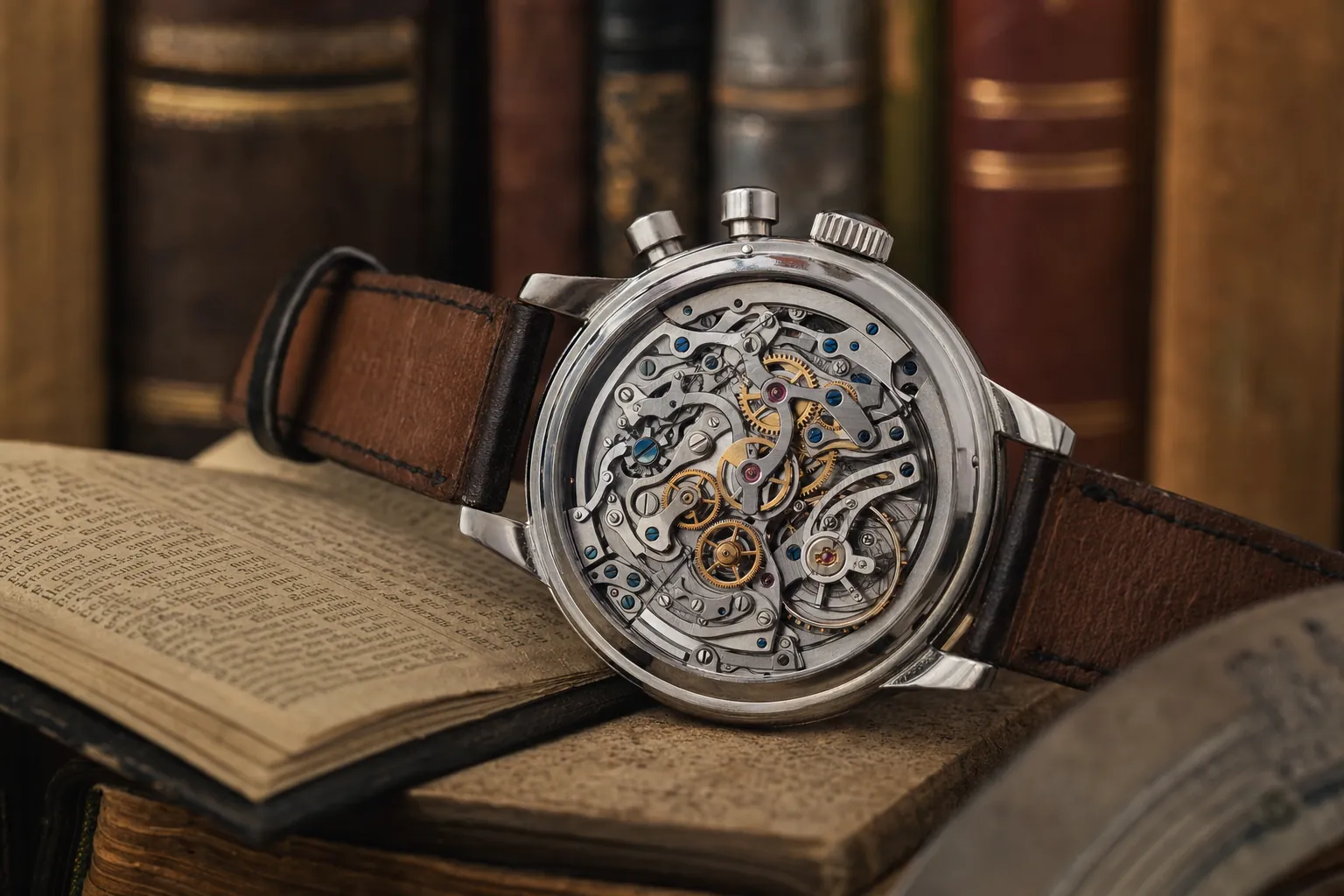
For the true aficionado, a luxury watch transcends mere timekeeping; it is a marvel of micro-engineering, a testament to centuries of innovation. Among the most revered complications, the chronograph stands as a pinnacle of mechanical ingenuity, offering a captivating blend of utility and aesthetic complexity.
The Anatomy of Time Measurement: What is a Chronograph?
At its core, a chronograph is a watch with an independent stopwatch function, allowing the user to measure elapsed time without interfering with the main time display. This seemingly straightforward capability hides a labyrinthine mechanism, meticulously designed to start, stop, and reset with precision. The word "chronograph" itself is derived from the Greek words "chronos" (time) and "grapho" (to write), a nod to its early use in recording events.
First patented by Nicolas Mathieu Rieussec in 1821 for measuring horse races, the chronograph has evolved dramatically, becoming indispensable in aviation, motorsport, and scientific applications. Its allure for collectors lies not just in its functionality, but in the sophisticated engineering required to integrate these distinct functions within the confined space of a watch case. A deep understanding of these mechanisms is crucial for anyone looking to invest in Patek Philippe timepieces, Rolex collection, or other iconic brands known for their chronographs.
Column Wheel vs. Cam-Actuated: The Heart of the Chronograph
The most fundamental distinction in chronograph movements lies in their actuation mechanism: the column wheel versus the cam (or 'coulisse' in French). This choice profoundly impacts the tactile experience, operational smoothness, and perceived quality of the chronograph.
The Elegant Column Wheel
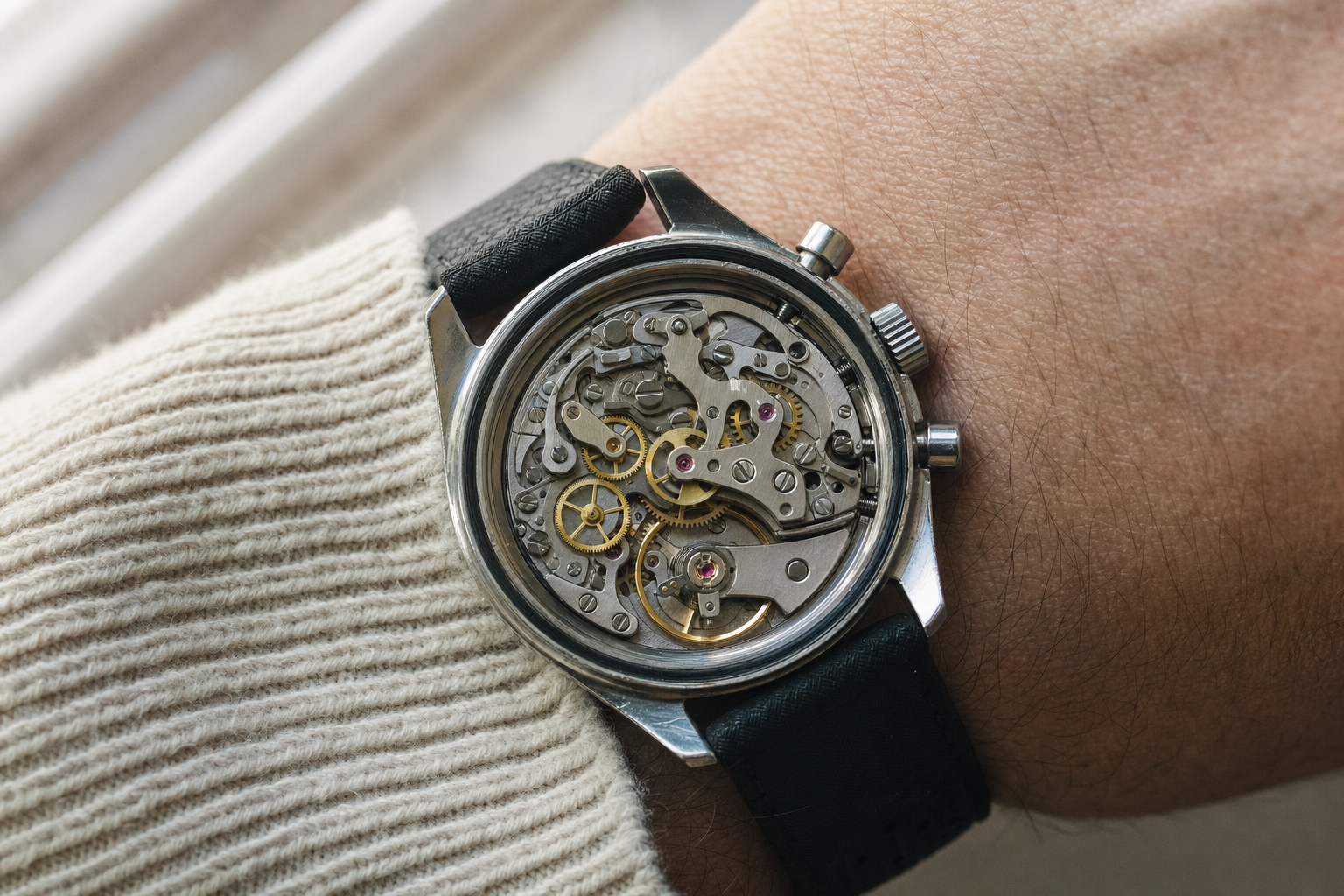
The column wheel chronograph is often considered the traditional, more sophisticated, and aesthetically pleasing method of control. Its defining characteristic is a small, typically blued steel, cylindrical wheel with tooth-like pillars (columns) on its upper surface. When the chronograph pushers are engaged, these columns rotate, lifting and dropping levers that control the start, stop, and reset functions. The action is crisp, precise, and often provides a satisfying, buttery feel to the pushers.
Historically, column wheel movements were more complex to manufacture and regulate, making them a hallmark of high-end chronographs. Examples include the legendary Valjoux 72 (found in early Rolex Daytona Cosmograph: The Definitive Reference Guide models), the Patek Philippe CH 29-535 PS, and the Vacheron Constantin Calibre 1141. The tactile feedback and mechanical harmony of a column wheel are why many purists gravitate towards them, often willing to pay a premium for this superior execution.
The Robust Cam-Actuated System
The cam-actuated chronograph, sometimes referred to as a lever or coulisse system, emerged as a more cost-effective and mass-producible alternative. Instead of a rotating column wheel, it utilizes a sliding cam (or series of levers) to control the chronograph's various states. While perhaps lacking the 'romance' of the column wheel, modern cam-actuated movements are incredibly reliable, durable, and can be equally precise.
The ETA/Valjoux 7750 is the archetypal example of a cam-actuated chronograph, powering countless watches across the industry, from entry-level luxury to highly respected brands. While the pusher feel might be slightly less refined than a column wheel – sometimes described as a 'click' rather than a 'thud' – its robustness and ease of service have made it an industry workhorse. For collectors prioritizing reliability and broader accessibility without compromising performance, a well-executed cam-actuated chronograph like those found in many Omega collection timepieces or even the Hamilton Hamilton Khaki Field Titanium (H70545540) offers exceptional value.
Manual-Wind vs. Automatic Chronographs
Beyond the actuation mechanism, another significant distinction lies in how the movement is powered: manual-wind or automatic.
Manual-Wind Chronographs: The Traditionalist's Choice
Manual-wind chronographs require daily winding by the user. This traditional approach connects the collector directly to the mechanical heart of their timepiece. These movements are often thinner, allowing for more elegant case designs, and their open casebacks can reveal a captivating array of levers and springs, unobstructed by an oscillating rotor. Iconic examples include the Omega Caliber 321 (famously used in the Speedmaster 'Moonwatch'), the Lemania 2310 (base for movements by Patek Philippe, Audemars Piguet, and Vacheron Constantin), and the aforementioned Valjoux 72. For those who appreciate the ritual of winding and the purity of design, a manual-wind chronograph, perhaps an exquisite IWC IWC Portugieser Automatic IW500702 5N Gold (though the specific reference is automatic, many IWC chronos are manual), holds a special place.
Automatic Chronographs: The Modern Convenience
Automatic chronographs incorporate an oscillating rotor that winds the mainspring with the wearer's motion, eliminating the need for daily manual winding. The development of automatic chronographs was a significant milestone in horology. 1969 famously saw a race among several manufacturers to introduce the first integrated automatic chronograph: Zenith with its "El Primero" (Caliber 3019 PHC), Seiko with its Caliber 6139, and a consortium of Heuer, Breitling, Buren, and Dubois Dépraz with the "Chrono-Matic" (Caliber 11). Each offered unique solutions, contributing significantly to the landscape of modern watchmaking.
The El Primero, in particular, with its high-frequency 36,000 vph (5 Hz) escapement, capable of measuring time to 1/10th of a second, remains a technical marvel. The convenience and continuous power reserve of automatic chronographs make them a popular choice for everyday wearers and collectors alike, blending historical significance with contemporary practicality. Many Audemars Piguet Royal Oaks with chronograph functions, for instance, utilize automatic movements.
Advanced Chronograph Functions: Beyond Basic Timing
While a standard chronograph measures a single elapsed interval, several advanced complications elevate its utility and complexity, further distinguishing high-horology pieces.
Flyback Chronograph
A flyback chronograph, sometimes called "retour en vol," allows the user to reset and restart the timing function with a single press of a pusher, typically the lower one. In a standard chronograph, this would require three presses: stop, reset, then start. The flyback function was originally developed for pilots to time successive legs of a journey or to quickly re-time events, proving its worth in instruments like the IWC Spitfire Watches Explained for Pilots and Collectors. This streamlined operation adds significant mechanical complexity and is a hallmark of sophisticated movements.
Rattrapante (Split-Seconds) Chronograph
The rattrapante, or split-seconds chronograph, is one of the most challenging and expensive complications to produce. It features two superimposed chronograph seconds hands. When the chronograph is started, both hands move in unison. A second pusher (often integrated into the crown) stops one hand (the "rattrapante" or split hand) to record an intermediate time, while the other continues to run. A second push of the split-seconds button allows the stopped hand to "catch up" instantly to the running hand. This function is invaluable for timing multiple events that start simultaneously but end at different times, such as lap times in a race. Brands like Patek Philippe, A. Lange & Söhne, and Vacheron Constantin are masters of this intricate art, making their rattrapante models some of the most sought-after collector's pieces.
Monopusher Chronograph
Less common today, the monopusher chronograph integrates all start, stop, and reset functions into a single button, often co-axial with the crown. While mechanically simpler than a traditional two-pusher chronograph, it requires precise sequential pressing to operate correctly. Its historical significance and unique aesthetic appeal to collectors who appreciate minimalist design and vintage charm. Many early chronographs were monopushers, and modern interpretations offer a nod to this heritage.
Notable Chronograph Movements and Their Legacy
The history of chronographs is rich with iconic movements that have shaped the industry and become legends among collectors. Understanding these calibers provides crucial context for investment and appreciation.
- Zenith El Primero (Caliber 3019 PHC / 400 series): Introduced in 1969, this integrated automatic column-wheel chronograph beats at a high frequency of 36,000 vph, allowing for 1/10th of a second accuracy. Its enduring legacy is cemented by its adoption by other prestigious brands, most notably powering the Rolex Daytona (Caliber 4030) from 1988 to 2000. Its historical significance and technical prowess make it a consistently strong performer in the secondary market.
- Valjoux 7750: Launched in 1974, this robust, cam-actuated automatic chronograph became an industry standard due to its reliability and relatively low cost. Despite its mass production, it's a highly capable movement that has been continually refined and customized by countless brands. Its ubiquity means parts are readily available, making it a practical choice for enthusiasts. You'll find variations of this workhorse in many professional and tool watches.
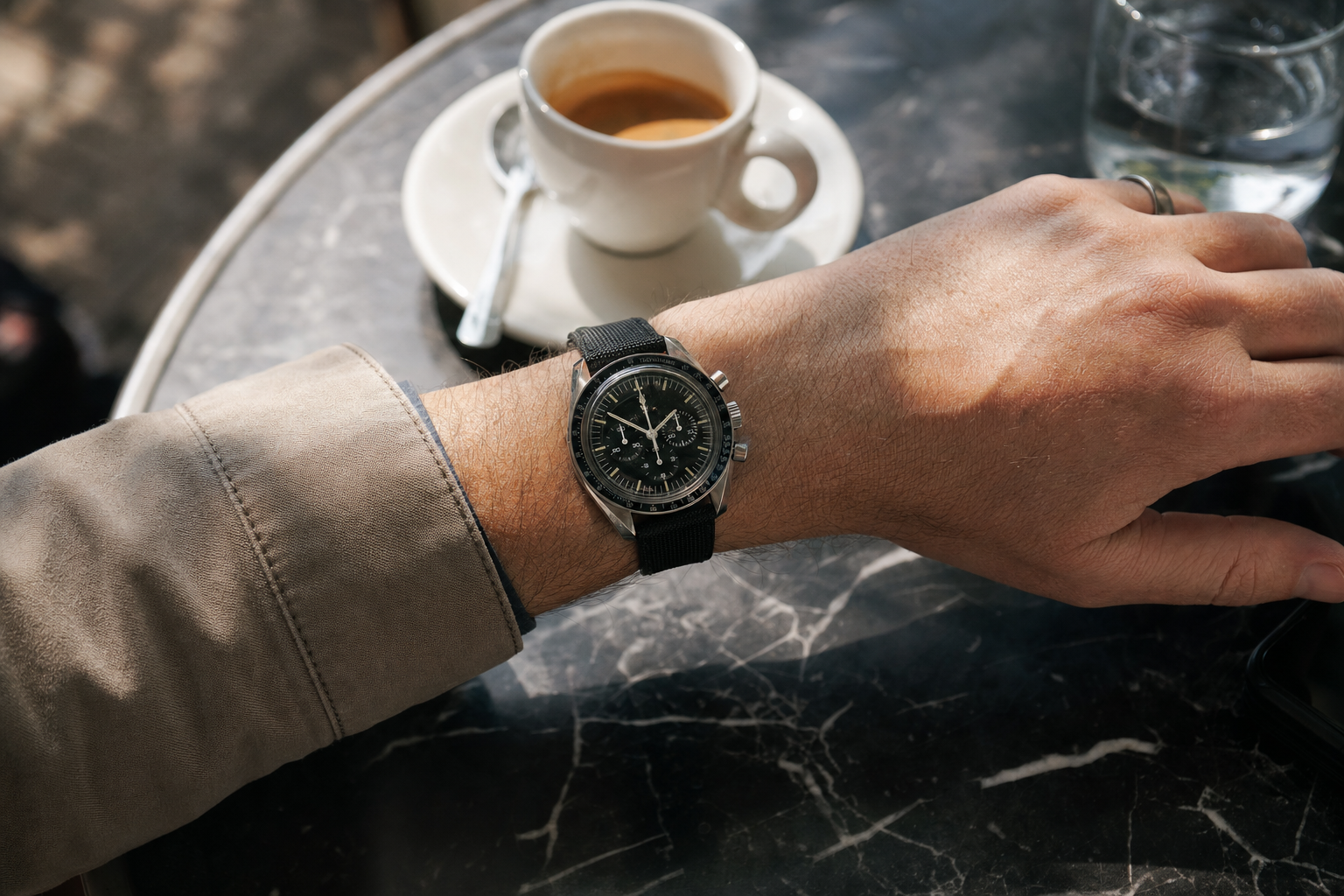
- Lemania 2310 (Omega Caliber 321 / Patek Philippe CH 27-70 / Vacheron Constantin 1141): This manual-wind, column-wheel chronograph is one of the most historically significant and revered movements. Its exceptional design and finish made it the choice for brands like Omega's Speedmaster, Patek Philippe, and Vacheron Constantin. The reintroduction of the Omega Caliber 321 in 2019, painstakingly recreated, underscores its legendary status and the demand among collectors for historical accuracy and impeccable craftsmanship.
- Rolex Caliber 4130: Introduced in 2000 for the Daytona, this integrated automatic column-wheel chronograph was designed and manufactured entirely in-house by Rolex. Its vertical clutch system virtually eliminates chronograph hand jump and improves power transmission, offering superior accuracy and a robust 72-hour power reserve. This movement is a testament to Rolex's manufacturing capabilities and contributes significantly to the enduring value of the Rolex Submariner 116659 Sapphire & Diamond Bezel (though the Submariner is not a chronograph, the Daytona with this movement is a key collector piece) and other Rolex professional models.
The Investment Perspective
Rarity, historical significance, brand prestige, and the complexity and quality of the movement all play critical roles.
However, it's not just about the technical specs. The story, provenance, and condition of a specific timepiece are equally vital. Our concierge sourcing service can assist in locating specific historical or rare chronograph models.
Market trends for chronographs are consistently strong, particularly for models with unique historical associations or limited production runs. The rising interest in movements, as opposed to just brand names, signals a maturing collector base. Ensuring authenticity is also crucial for any investment, and our inspection process process guarantees peace of mind.
Maintenance and Care of Chronograph Movements
Given their complexity, chronograph movements require specialized care. Regular servicing, typically every 5-7 years, by a qualified watchmaker is essential to ensure longevity and accuracy. The numerous friction points within a chronograph mechanism require precise lubrication, and worn components must be replaced to prevent further damage.
Avoid engaging the chronograph pushers underwater unless the watch is specifically designed for such use and clearly marked with appropriate water resistance. Misuse can lead to water ingress and costly repairs. Similarly, avoid resetting the chronograph while it is running, as this can cause significant damage to the intricate levers and gears. Proper handling and timely maintenance protect your investment and preserve the mechanical integrity of these magnificent machines.
Contact Lume Wrist Watches
For further inquiries or to schedule a private viewing of our exceptional timepieces, our team at Lume Wrist Watches is here to assist. We offer expert guidance on chronograph movements and their significance in the world of luxury watches.
Email: sales@lumewrist.com Phone: +1 (332) 285-2190 Office (by appointment only): 18 East 48th Street, Suite 1503, New York, NY 10017 Hours: Mon–Fri 9:00 AM – 7:00 PM EST · Closed Saturday & Sunday
Visit our contact page or explore our shop for more information.
Final Thoughts
The chronograph movement, in its myriad forms, represents a triumph of human ingenuity and precision engineering. From the elegant sweeps of a column wheel to the robust reliability of a cam-actuated system, each mechanism tells a story of innovation, purpose, and unparalleled craftsmanship. For the discerning collector, understanding these intricacies transforms a simple purchase into a meaningful acquisition, an appreciation of horological art that also holds enduring value.
Whether you're drawn to the historical allure of a manual-wind flyback or the modern efficiency of an automatic split-seconds, the world of chronograph movements offers endless fascination. We invite you to explore the diverse range of chronographs available and discover the perfect timepiece to add to your collection.
## Part of the series This article belongs to our complete guide: Watchmaking Explained: Movements & Complications – A Collector's Guide.\n