Do Watches Retain Value? What Buyers Should Know
Published November 3, 2026 · Last updated November 3, 2026 · By Lume Wrist Watches
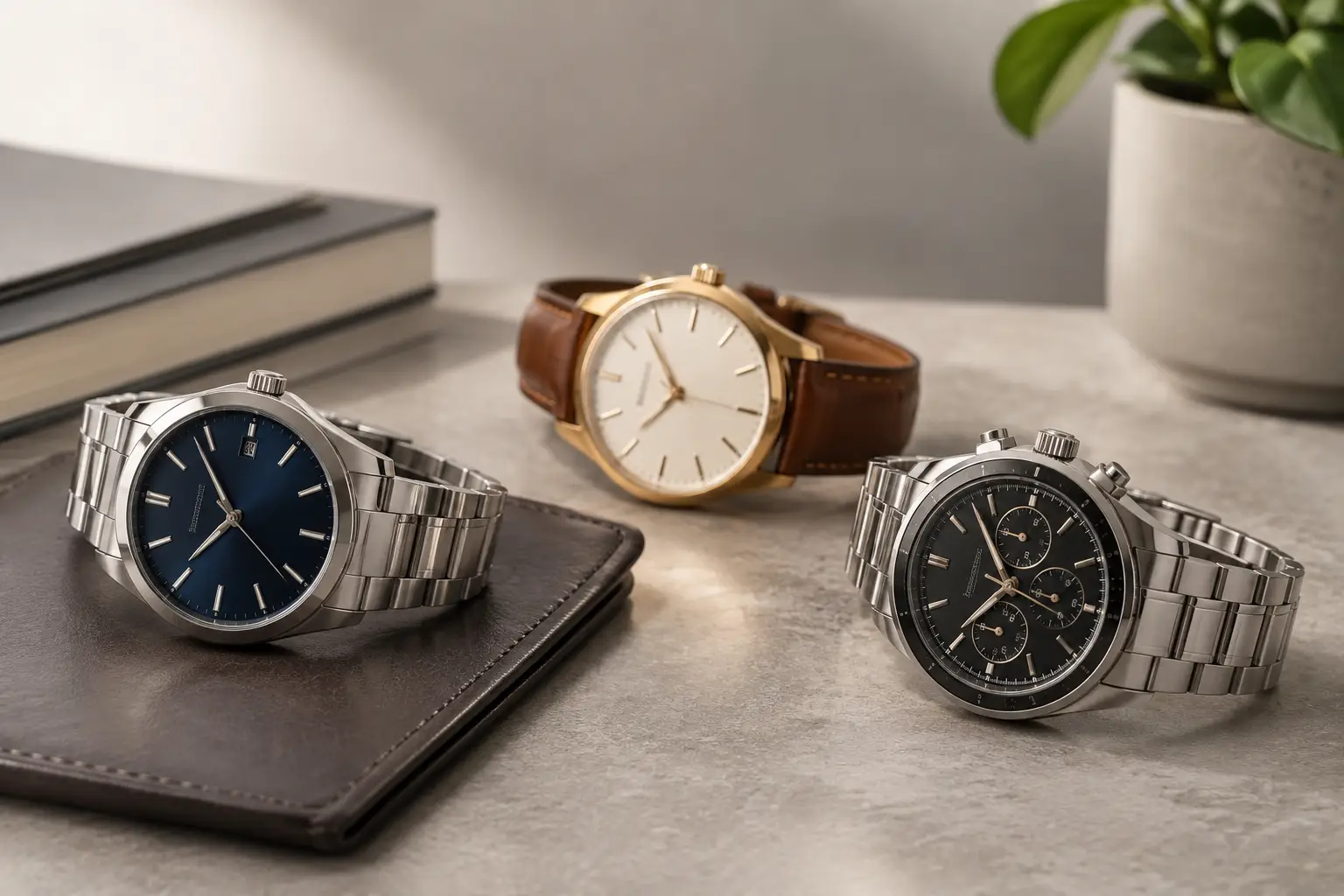
A luxury watch can be a personal milestone, a daily companion, or a serious collectible. But do watches retain value after they leave the retailer? Some do remarkably well, many retain only part of their original cost, and others fall sharply once they enter the secondary market. The difference is rarely accidental. It comes down to the specific reference, its condition, its completeness, and the confidence a future buyer has in its authenticity.
For buyers considering Rolex, Patek Philippe, Audemars Piguet, Omega, and other established manufacturers, resale durability is a reasonable part of the purchase decision. It should not be confused with a promise of appreciation. Still, a disciplined purchase can help protect value when the time comes to sell or trade.
Do Watches Retain Value? The Short Answer
Watches retain value when supply, demand, brand strength, and buyer confidence remain aligned. Recognizable luxury brands with long histories, respected mechanical movements, and collector followings generally have a stronger resale foundation than fashion-driven or mass-produced alternatives.
That does not mean every model from a prestigious brand performs the same way. A highly sought-after stainless-steel sports reference may attract consistent interest, while a less familiar configuration in precious metal may appeal to a narrower audience. Two watches bearing the same name can have very different resale outcomes because dial variants, production periods, case sizes, bracelet configurations, and overall condition matter.
The most practical way to think about retention is this: buy a watch that buyers are likely to recognize, understand, and trust years from now. Heritage helps, but documentation and originality often determine whether that heritage translates into real market demand.
The Factors That Support Resale Value
Brand pedigree and enduring demand
Brands such as Rolex, Patek Philippe, Audemars Piguet, and Omega have broad recognition beyond the enthusiast community. That matters because a larger buyer base generally creates more liquidity. Their history, technical credibility, and established model lines give buyers reference points for evaluating a watch long after its initial sale.
Within those brands, demand concentrates around particular collections and references. A watch with a clear identity, a proven enthusiast following, and a history of stable collector interest typically has a stronger position than an obscure variation with limited market visibility.
Reference, configuration, and rarity
Rarity alone does not create value. A rare watch with little collector interest may remain difficult to sell. What matters is desirable rarity: a configuration that enthusiasts actively seek, whether because of a limited production run, an unusual but original dial, a discontinued case design, or historical relevance within a model family.
Reference numbers are especially important. They establish the watch's production lineage and help knowledgeable buyers compare details such as movement generation, bezel style, case proportions, and period-correct features. Before buying, understand the exact reference rather than relying solely on the collection name.
Condition and originality
A watch may be authentic and mechanically functional yet still lose appeal if it has been overpolished, heavily worn, damaged, or fitted with non-original components.
Collectors often look closely at the sharpness of the case, the consistency of the dial and hands, bracelet stretch, bezel condition, and the presence of period-correct parts. A service history can be positive, particularly when it supports reliability, but replacement components can affect desirability depending on the model and buyer. There is no single rule that applies to every reference.
Originality requires context. A vintage watch with honest wear may be more desirable than one refinished to look new. A modern watch in excellent condition may command stronger interest when its factory finish and full presentation set remain intact.
Box, papers, and service records
The watch itself is the primary source of value, but supporting materials can materially affect buyer confidence. The original box, warranty card or papers, manuals, hangtags, receipts, and documented service records help establish a more complete ownership story.
For modern luxury watches, a full set is often easier to evaluate and resell. For vintage pieces, original papers can be genuinely scarce, so their absence is not automatically a concern. What matters is that the seller represents the watch accurately and that the piece can be assessed on its own merits.
Provenance is especially valuable when it answers meaningful questions: Where did the watch come from? Has it been serviced? Are the components consistent with the reference and era? Clear documentation reduces uncertainty, and uncertainty is often reflected in resale demand.
What Can Reduce a Watch's Value?
A few issues consistently make a watch harder to place in the secondary market. Heavy polishing can soften case edges and alter the original proportions. Water damage, dial deterioration, corrosion, incorrect parts, and undocumented modifications can also limit interest. Even small details can matter when buyers are comparing collectible examples.
Poor market timing is another consideration. Demand for certain sizes, materials, colors, or categories can rise and cool. A purchase made during a period of unusually intense demand may not hold the same market level later. That is why a buyer should avoid treating a short-term price chart as proof of long-term value.
The purchase channel matters as well. A watch with incomplete or uncertain history can become more expensive than it appears if authentication, repairs, or parts replacement are required later. A low initial price does not compensate for unresolved questions about condition or provenance.
Buying With Resale in Mind Without Losing the Joy
The strongest purchases tend to balance personal preference with market discipline. Choose a watch you will genuinely want to wear, then apply a few practical filters: select an established reference, favor original condition, retain all included materials, and maintain the watch responsibly.
Avoid unnecessary alterations. Keep the original bracelet links, buckle, and accessories. Store documentation carefully and retain service paperwork. If the watch needs service, use a qualified professional who understands the brand and can clearly document the work performed.
It also helps to consider liquidity, not just theoretical value. A watch can be valuable on paper but appeal to a very specialized audience. Widely recognized references in desirable condition are generally easier for the market to understand and evaluate.
Why Authentication Matters to Value Retention
Authentication is not merely a transaction safeguard. It is part of a watch's long-term value proposition. Future buyers want confidence that the case, movement, dial, bracelet, and included materials match the seller's description. They also want clarity around condition, servicing, and any replaced components.
That is why an established retail process can offer meaningful protection compared with an informal transaction. In-house certification, accurate condition reporting, and a written warranty give a buyer a clearer foundation from the start. At Lume Wrist Watches, authenticated, in-house certified timepieces are supported by free insured US shipping, a 30-day return window, and a two-year warranty, helping buyers make high-consideration purchases with defined protections.
Those safeguards do not dictate future market prices. They do reduce the avoidable risks that can undermine a watch's ownership experience and resale appeal.
A Better Standard for a Valuable Watch
The best watch to buy is not necessarily the one attracting the most attention this month. It is the one whose brand, reference, condition, and provenance can withstand careful scrutiny. A recognized model in honest, original condition with a clear ownership record offers something more durable than a trend: confidence for the next owner.
Buy with that next owner in mind, but choose a watch you will be proud to wear until then.