Authenticating Watch Bracelets & Clasp Codes: 2026 Guide
Published October 26, 2026 · Last updated October 27, 2026 · By Lume Wrist Watches
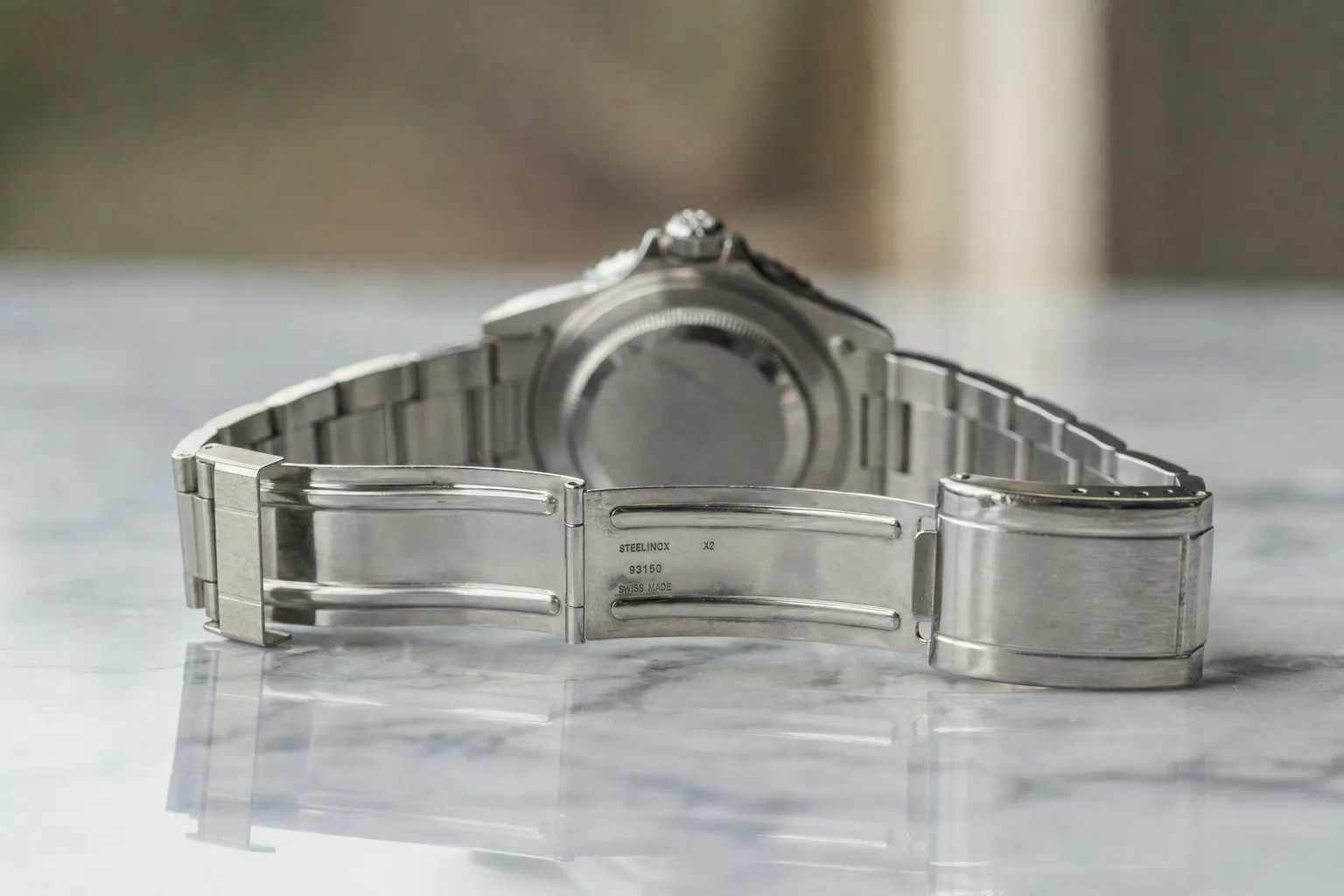
Authenticating watch bracelets, clasp codes, and end links requires analyzing metallurgical tolerances, stamped alpha-numeric date codes, and precise mechanical articulation. While counterfeiters frequently replicate watch dials and cases with alarming fidelity, bracelets remain their greatest vulnerability due to the complex tooling and metallurgical costs required to execute genuine tolerances. Verifying that a bracelet's reference numbers, clasp stamps, and end link codes match the watch case's serial period separates an all-original collector piece from an assembled "frankenwatch" or an outright replica.
In our overarching framework for Watch Authentication & Provenance: The Lume Wrist Watches Guide, component-level integrity is critical. A genuine case fitted with an aftermarket or period-incorrect bracelet loses significant commercial value and collector appeal. Whether you are inspecting a vintage five-digit Rolex Submariner or a contemporary integrated sports watch, examining the bracelet structure is paramount to securing an authentic investment.
---
Why Bracelet Authentication Matters in Luxury Horology
A luxury timepiece's bracelet is neither an accessory nor an afterthought; it is an engineered extension of the case that accounts for up to 30% of a watch's secondary-market value. In high-value models from all featured maisons, authenticating the bracelet verifies not only originality but also chronological coherence.
For decades, unscrupulous sellers have swapped worn or valuable factory bracelets for modern service replacements, lower-tier period bracelets, or convincing counterfeit assemblies. In vintage collecting, an original bracelet with period-correct end links can mean the difference between a five-figure valuation and an unsellable curiosity. In the modern era, "superclones" often marry genuine-looking aftermarket dials with cheap steel alloy bracelets that reveal structural flaws upon microscopic inspection.
Furthermore, authenticating these components preserves structural safety. A compromised end link pin or an inferior clasp latch can fail under mechanical load, causing the watch head to drop and suffer severe movement damage. True verification requires examining metallurgical density alongside visual stamping alignment, cross-referencing techniques often detailed in our guide to Testing Precious Metal Weight & Hallmarks in Watches.
---
The Evolution of Luxury Bracelets, End Links, and Clasp Codes
Understanding the manufacturing evolution of metal bracelets enables collectors to identify period mismatches instantly.
``` Chronological Evolution of Rolex Bracelet Architecture: 1950s–1960s: Riveted Links (Hollow, stretch-prone, end pieces stamped) 1960s–1970s: Folded Steel Links (Lighter, internal folded construction) 1970s–2000: Hollow Links with Stamped Clasps (Reference numbers on end links) 2000–Present: Solid End Links (SEL) & Solid Center Links (Machined clasps) ```
Defining Historical Milestones
- 1954: Rolex introduces early riveted bracelets produced by external specialists like Gay Frères before transitioning component fabrication entirely in-house.
- 1976: Rolex implements a standardized internal clasp coding system, stamping alpha-numeric codes on the folding clasp blades to indicate the production year and month.
- 1998–2000: The transition from Hollow End Links (HEL) to Solid End Links (SEL) begins across five-digit sports models, starting with references like the Yacht-Master and Daytona before spreading to the Submariner and GMT-Master II.
- 2008–2010: Six-digit reference upgrades introduce fully machined, solid-billet folding clasps with micro-adjustment mechanisms (such as the Glidelock and Easylink), displacing the traditional stamped-sheet metal clasps entirely.
- 2011: Rolex begins randomizing clasp codes alongside randomized case serials, shifting authentication from alphanumeric decoding to engineering tolerance analysis.
When evaluating vintage or neo-vintage pieces—whether inspecting inventory in our Manhattan showroom or sourcing luxury watches in California—knowing these production dates prevents anachronisms, such as a 1984 watch bearing a 1999 clasp code.
---
Key Bracelet Architectures Across Prestigious Maisons
Different manufactures approach bracelet architecture, end-piece integration, and part numbering differently. Mastering these nuances across primary manufacturers is essential for systematic evaluation.
Rolex: Oyster, Jubilee, and President
Rolex uses distinct referencing conventions stamped into the underside of the last link, inside the clasp blades, and across the end links:
- Oyster: Stamped references like 93150 (Submariner, hollow link), 78360 (non-diver, hollow link), and 97200 (modern Submariner Glidelock, solid link).
- Jubilee: Historic references like 62510H (five-digit models) transition to solid assemblies like 63600 (Super Jubilee with concealed Crownclasp).
- End Links: Classic hollow links bear stamped three-digit numbers (e.g., 501B, 580, 593). Modern Solid End Links integrate the part number into the inner mating surface, visible only when the bracelet is detached from the case.
Omega: Constellation, Seamaster, and Speedmaster
Omega utilizes a multi-part stamping approach. Vintage and modern Speedmaster bracelets (such as references 1171, 1479, or modern 1958/957) feature specific end-piece codes stamped on the reverse (e.g., 633 or 812). On contemporary pieces like the Omega Omega De Ville Prestige Textured Blue Dial Steel Bracelet, the clasp houses laser-engraved reference numbers, exact metal indications, and fine adjustment pushers that counterfeiters consistently misalign.
Audemars Piguet & Patek Philippe: Integrated Architectures
Integrated bracelets do not employ traditional detachable end links. Instead, the first link articulates directly into the case mid-section:
- Audemars Piguet Royal Oak: Tapering link tolerances are exceptionally tight. As highlighted in our AP Royal Oak 15400 vs 15500 vs 15510: 2026 Comparison, each link features beveling that aligns across the longitudinal plane. Counterfeits routinely show micro-steps or mismatched brushing where the bracelet joins the case.
- Patek Philippe Nautilus: Pieces like the Patek Philippe Patek Philippe Nautilus 5980/1R Rose Gold Brown Dial Chronograph require deep inspection of hallmarks on the double-folding clasp blade. Precious metal stamps must be crisp, with micro-hallmarks indicating the Swiss St. Bernard dog head struck cleanly into gold rather than shallowly etched via fiber laser.
---
Metallurgy, Tolerances, and Clasp Mechanics
Authenticating a bracelet goes beyond matching numbers; it requires forensic examination of engineering tolerances and metal finishing. Counterfeiters rely on generic CNC toolpaths, which fail to replicate the tactile resistance, beveling, and acoustic signature of authentic parts.
Tooling Marks and Edge Finishing
Authentic bracelets from top manufactures undergo hand-finishing on link flanks and chamfers. When viewed under magnification—a process detailed in our guide to UV Light & Microscopic Analysis: Hidden Watch Authentication Clues—the brushed surfaces exhibit parallel, uniform graining without cross-hatching. Counterfeits frequently display sharp, unchamfered internal link edges that feel rough or abrasive against the wrist.
``` Mechanical Authentication Comparison: Characteristic | Authentic Bracelet | Replica / Counterfeit -------------------------------------------------------------------------------- Link Screw Threads | Factory-threaded with loc-tite | Loose, rough metric threads Clasp Spring Detent | Crisp, audible mechanical click | Muffled, spongy engagement Link Pin Tolerances | Gap < 0.02 mm between links | Visible uneven gaps (>0.08 mm) Stamping Depth | Uniform die-struck relief | Shallow chemical or laser etch Weight (904L / Gold) | Matches factory spec to ±0.5g | Underweight (often uses 316L) ```
Clasp Mechanics and Sound
A hallmark of genuine manufacture is the acoustic signature of clasp closure. An authentic Rolex Oysterlock or Glidelock mechanism secures with a tactile snap, created by precise spring tolerances and chamfered friction surfaces. Counterfeit clasps often bind during travel or close with an ambiguous, spongy friction fit. Examining the internal slide tracks of adjustable clasps exposes uneven machining grooves on fake assemblies.
To identify sophisticated fake components, our specialists deploy non-destructive analysis detailed in our reference on Forensic Techniques: Detecting Fake Luxury Watches in 2026.
---
Master Clasp Code Reference Matrix
From 1976 through 2010, Rolex marked folding clasps with a letter corresponding to the production year, occasionally followed by a number indicating the production month. Service replacement clasps were stamped with an "S".
| :--- | :--- | :--- | :--- |
|---|---|---|---|
| 1976 | A or VA | Submariner 1680, GMT 1675 | Hollow End Link (HEL) |
| 1980 | E | Sea-Dweller 1665, Submariner 16800 | Hollow End Link (HEL) |
| 1985 | J | Datejust 16014, GMT-Master 16750 | Hollow End Link (HEL) |
| 1990 | O | Submariner 16610, Explorer II 16570 | Hollow End Link (HEL) |
| 1995 | W or T | Daytona 16520, GMT-Master II 16710 | Hollow End Link (HEL) |
| 2000 | AB | Submariner 16610, Daytona 116520 | Solid End Link (SEL) Transition |
| 2005 | MA | Datejust 116234, Submariner 16610LV | Solid End Link (SEL) |
| 2010 | RS | Submariner 116610LN, GMT 116710LN | Solid End Link (Glidelock / Easylink) |
| Post-2011 | Randomized (3 Alpha-Numeric) | Modern 6-Digit Ceramic Lines | Solid Integrated Components |
Note: Clasp codes can differ slightly from case production dates by up to 12 months, as bracelets and cases were produced in batches and married during final assembly. If a watch from 1982 carries an "MA" code (2005), it indicates a later service replacement rather than the factory-original clasp.
---
Price Tiers, Replacement Costs, and Market Realities
Bracelets carry substantial monetary weight in the secondary market. If a watch is discovered to have a damaged, stretched, or replica bracelet, replacement costs impact the acquisition economics substantially. The figures below reflect approximate secondary-market observations for authentic, unpolished components:
### Entry Tier: Steel Hollow-Link Assemblies ($800 – $1,800) Vintage and neo-vintage Rolex Oyster (e.g., 78360, 93150) and Omega Speedmaster (e.g., 1171) steel bracelets fall within this range depending on stretch and condition. Hollow end links alone command between $250 and $500 per pair due to their scarcity in unbent, crisp condition.
### Core Tier: Modern Solid-Link and Diver Assemblies ($2,200 – $4,500) Solid End Link bracelets with advanced clasps—such as the Rolex 97200 Glidelock or Omega Seamaster Co-Axial Master Chronometer adjustable bracelets—trade within this band. Because brands tightly control parts distribution, purchasing an authentic replacement through authorized channels requires surrendering the damaged original.
### Grail Tier: Integrated Precious Metal Bracelets ($12,000 – $35,000+) Solid 18k gold or platinum bracelets for models like the Rolex Day-Date (President), Patek Philippe Nautilus, or Audemars Piguet Royal Oak command five-figure valuations solely for their metallurgical and production complexity. A counterfeit bracelet fitted to a genuine gold head represents a substantial financial liability.
Understanding these commercial realities is vital whether you are analyzing a purchase locally or reviewing luxury watches in Texas.
---
Pre-Owned Checklist: Spotting Fakes, Stretches, and Swaps
When evaluating a pre-owned luxury watch, execute this systematic six-step physical audit on the bracelet assembly before completing your transaction:
``` Physical Bracelet Inspection Workflow: [1. Visual Font & Stamping Depth] -> [2. Articulation & Stretch Test] [3. Spring Bar & Lug Hole Seating] -> [4. End Link Fitment Check] [5. Clasp Blade Engravings] -> [6. Metallurgical Screws & Threads] ```
- Examine Stamping Relief Under 10x Loupe: Factory Rolex, Patek, and Omega stampings are struck cleanly with dedicated steel dies or high-definition CNC tooling. Counterfeits reveal rounded letter borders, unequal baseline alignment, or acid-etched "frosting" around the stamps.
- Inspect End Link Fitment to Case Lugs: On an authentic watch, solid end links meet the inner lug walls with sub-millimeter tolerances. Look for daylight between the link and the lug; any rotational play indicates incorrect aftermarket pins, generic spring bars, or an incorrect end link code.
- Evaluate Bracelet Stretch (Sagging): Hold the watch horizontal by the case head and let the bracelet extend sideways. An uncompromised bracelet remains nearly horizontal with minimal deflection. Excessive downward droop (over 30 to 45 degrees) signifies internal pin wear, requiring expensive laser rebuilding or replacement.
- Confirm Screw Pin Construction: Authentic link adjustment pins feature smooth, uniform threads cut specifically for the link receiver hole, with polished flat heads that sit flush with the link edge. Replica screws frequently use generic metric hardware with irregular slot widths or unpolished, domed screw heads.
- Correlate Clasp Codes with Serial Numbers: Use our reference table to ensure the clasp code corresponds with the case serial range. While a variance of 1–2 years is acceptable for transition eras, a five-digit Submariner with a modern three-digit randomized clasp code indicates a service change that must be factored into the purchase price.
- Verify Spring Bar Geometry: Authentic sports models use brand-specific spring bars (e.g., Rolex 2.0mm shoulderless bars for drilled lug cases, or custom flanged bars for SEL models). Counterfeiters often install generic 1.5mm or 1.8mm pins, resulting in link play and structural instability.
For a wider perspective on dial authenticity and factory restoration signs, read our comprehensive resource on Spotting Redials: Full Reference Guide and Buyer's Checklist.
---
Authenticated Inventory at Lume Wrist Watches
At Lume Wrist Watches, every timepiece undergoes rigorous component verification by our master technicians. We dismantle bracelets, inspect spring bars, verify clasp codes against case production dates, and document internal end link stampings to ensure every watch is delivered in factory-correct configuration.
Explore our current collection of fully authenticated luxury watches:
- Rolex Rolex Submariner Date 16610 Stainless Steel Black Dial – Complete with its original 93150 Oyster bracelet, correct diver extension, and period-matching 501B end links.
- Omega Omega De Ville Prestige Textured Blue Dial Steel Bracelet – Featuring its multi-link stainless steel bracelet with factory-chamfered folding clasp and intact reference codes.
- Patek Philippe Patek Philippe Nautilus 5980/1R Rose Gold Brown Dial Chronograph – An integrated rose gold bracelet boasting factory-sharp chamfers, solid links, and verified Swiss precious metal hallmarks.
Browse our broader Rolex collection, view our Patek Philippe timepieces, or discover our curated Audemars Piguet Royal Oaks and Omega collection in our authenticated collection.
---
Frequently Asked Questions
### What does a service clasp code look like on a Rolex? Rolex indicates a factory service replacement clasp by stamping the letter "S" alongside the clasp date code (for example, "S DT" or "S AB"). In other variations, you may find an "S" stamped inside a small oval on the folding blade. This designation confirms the clasp was installed during an official service rather than during initial factory assembly.
### Can an authentic watch have different numbers on the clasp and the end links? Yes. The clasp number identifies the clasp assembly, whereas the end link number identifies the specific hollow link engineered to fit a particular case profile. For example, a vintage Rolex Submariner 16610 typically features a 93150 bracelet reference stamped on the clasp and 501B end link codes stamped on the hollow end pieces.
### Why do modern Rolex bracelets lack visible end link numbers? On modern Solid End Link (SEL) models, Rolex moved the stamping from the exterior underside to the inner vertical mating surface that rests flush against the watch case between the lugs. You must safely remove the bracelet using a dedicated spring bar tool to inspect these modern reference markings.
### How can I tell if a bracelet is authentic 904L steel rather than 316L? Authentic Rolex 904L steel (Oystersteel) possesses a distinct warm hue and superior corrosion resistance compared to standard 316L surgical steel used by competitors and replica manufacturers. While visual distinction requires an experienced eye, forensic authentication relies on metallurgical XRF (X-ray fluorescence) analyzers, which instantly measure the higher levels of nickel, chromium, molybdenum, and copper in genuine 904L alloy.
### What is bracelet stretch and does it affect authenticity? Bracelet stretch is the mechanical sagging caused by wear between the internal link pins and the link sleeves, exacerbated over decades by grime acting as an abrasive paste. While severe stretch does not mean a bracelet is counterfeit, it diminishes secondary-market value and indicates the watch has seen decades of uncleaned wear without maintenance.
---
Contact Lume Wrist Watches
Our team is dedicated to transparency, horological scholarship, and rigorous client service. If you require assistance authenticating an incoming timepiece, verifying bracelet serial codes, or acquiring an authenticated luxury watch, we invite you to connect directly with our specialists:
- Email: sales@lumewrist.com
- Phone: +1 (332) 285-2190
- Private Office: 18 East 48th Street, Suite 1503, New York, NY 10017
- Operating Hours: Monday–Friday, 9:00 AM – 7:00 PM ET · Closed Saturday & Sunday
Learn more about our in-house team independent authentication standards, schedule private viewing appointments, coordinate concierge sourcing service for rare references, or explore options to sell your watch to us. For regional acquisitions, we provide insured transit through our direct shipping & delivery protocols, catering to clients seeking luxury watches in New York, luxury watches in Florida, and nationwide.
---
Final Thoughts
A luxury watch's case and movement tell only half of its mechanical story. The bracelet, clasp, and end links provide critical physical proof of how the watch was worn, maintained, and preserved over its lifespan. By understanding historical clasp stamping systems, verifying metallurgical tolerances, and scrutinizing end link interfaces, collectors can navigate the pre-owned market with confidence.
Whether you are adding an iconic neo-vintage diver or an integrated high-complication to your collection, insist on comprehensive component verification. Visit our authenticated collection today to discover timepieces inspected and documented to the industry's most demanding physical standards.