Beyond the Big Four: Essential Luxury Watch Maisons to Know in 2026
Published September 7, 2026 · Last updated October 20, 2026 · By Lume Wrist Watches
For discerning collectors, the world of luxury watchmaking extends far beyond the ubiquitous "Big Four" brands. This guide explores the fascinating histories, distinctive horological achievements, and enduring appeal of several luxury watch maisons that demand attention, offering unparalleled craftsmanship and unique design perspectives often overlooked by the mainstream. Understanding these brands is crucial for any serious enthusiast seeking to enrich their collection and knowledge base in 2026.
1. Why these Maisons Matter: Positioning, House Codes, Who They Are For
These maisons represent the zenith of horological artistry, often characterized by innovative technical prowess, distinctive design language, and a relentless pursuit of excellence. They cater to collectors who appreciate nuance, historical significance, and a brand's commitment to traditional watchmaking values alongside modern advancements. While perhaps not as globally recognized as Rolex or Patek Philippe by the casual observer, their reputation within the collector community is profound. They are for those who seek individuality, technical sophistication, and a deeper connection to the craft.
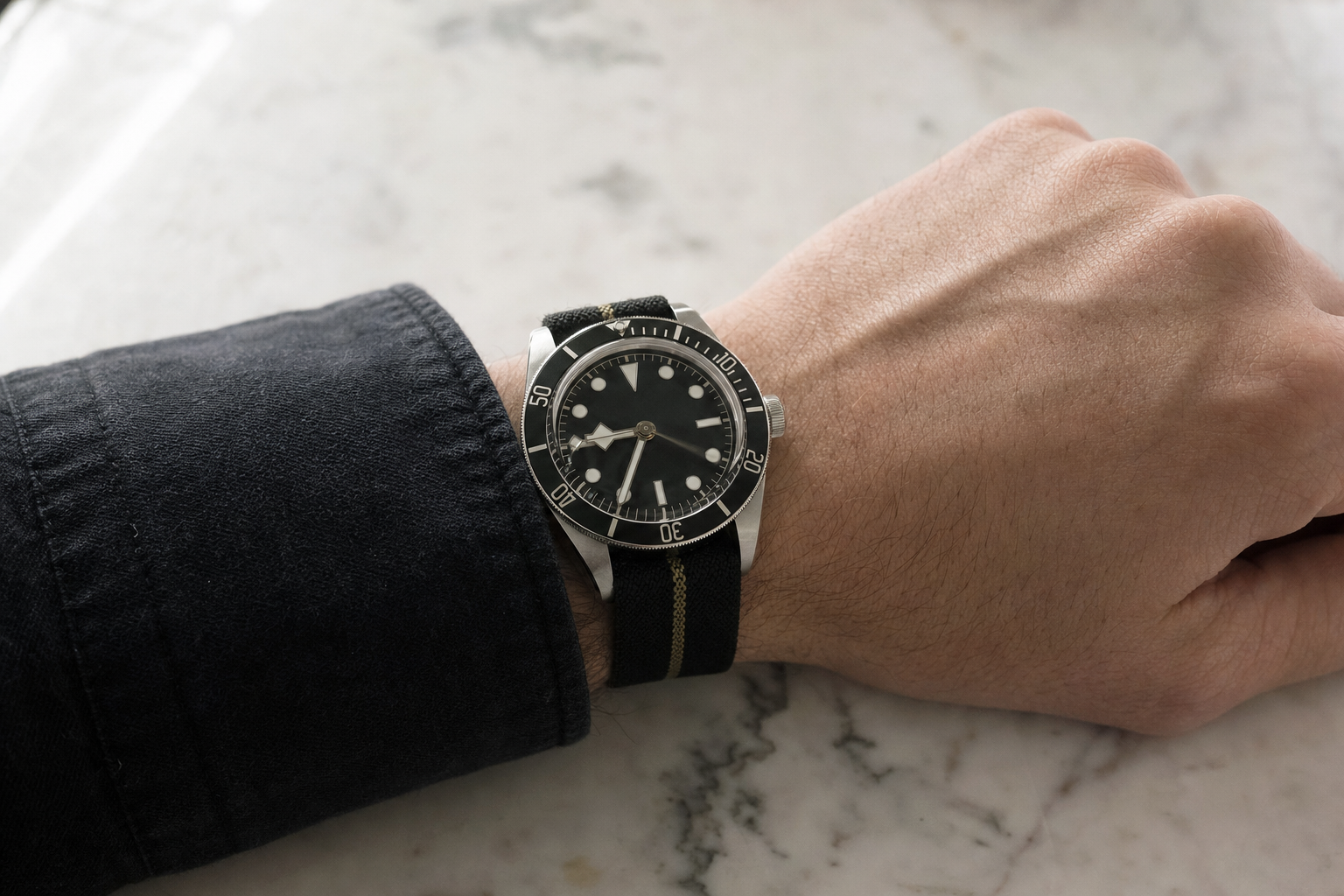
### Tudor: The Accessible Tool Watch Champion Positioning: Tudor, Rolex's younger sibling, has forged its own formidable identity by offering robust, high-performance mechanical watches with a vintage aesthetic at a more accessible price point. They are positioned as serious tool watches for the adventurer and everyday wearer. House Codes: Iconic "Snowflake" hands, robust in-house movements, dive watch heritage, and a focus on practicality and durability. Who it is for: Enthusiasts seeking reliable, well-engineered watches with strong heritage and distinctive design without the premium associated with its sibling brand. Ideal for those looking for a versatile everyday luxury watch.
### IWC Schaffhausen: Engineering Excellence and Pilot's Heritage Positioning: IWC (International Watch Company) stands for precision engineering, robust construction, and timeless design, particularly famed for its pilot's watches and elegant Portugieser series. House Codes: Large, highly legible dials; robust movements; distinctive pilot's watch aesthetics; and a strong emphasis on chronometry and complications. Who it is for: Collectors who appreciate German-Swiss engineering, aviation heritage, and complicated movements packaged in elegant, often larger, cases.
### Panerai: Bold Italian Design, Swiss Engineering, and a Military Past Positioning: Panerai combines distinctive Italian design with Swiss watchmaking expertise, known for its oversized cases, luminous dials, and strong military heritage. They are a statement on the wrist. House Codes: Cushion-shaped cases, crown protectors, sandwich dials, and exceptional lume. The brand ethos is "Laboratorio di Idee" – a laboratory of ideas. Who it is for: Those who desire a bold, distinctive watch with a unique heritage, often appealing to individuals with a strong personal style.
### Breitling: The Aviator's Companion Positioning: Breitling has an indelible link to aviation, celebrated for its chronographs and instruments for pilots. They embody a spirit of adventure and technical precision. House Codes: Slide rule bezels (Navitimer), highly legible dials, robust cases, and COSC-certified movements across the entire range. Who it is for: Aviation enthusiasts, professional pilots, and anyone who appreciates robust, functional, and historically significant chronographs.
### Jaeger-LeCoultre: The Watchmaker's Watchmaker Positioning: JLC is revered as a true manufacture, producing an astonishing array of movements and complications in-house. They are often called the "watchmaker's watchmaker" due to their historical supply of movements to other brands. House Codes: The iconic Reverso's reversible case, ultra-thin movements, exquisite finishing, and a mastery of grand complications. Who it is for: Connoisseurs who prioritize horological innovation and intricate movements, appreciating discrete luxury and technical brilliance.
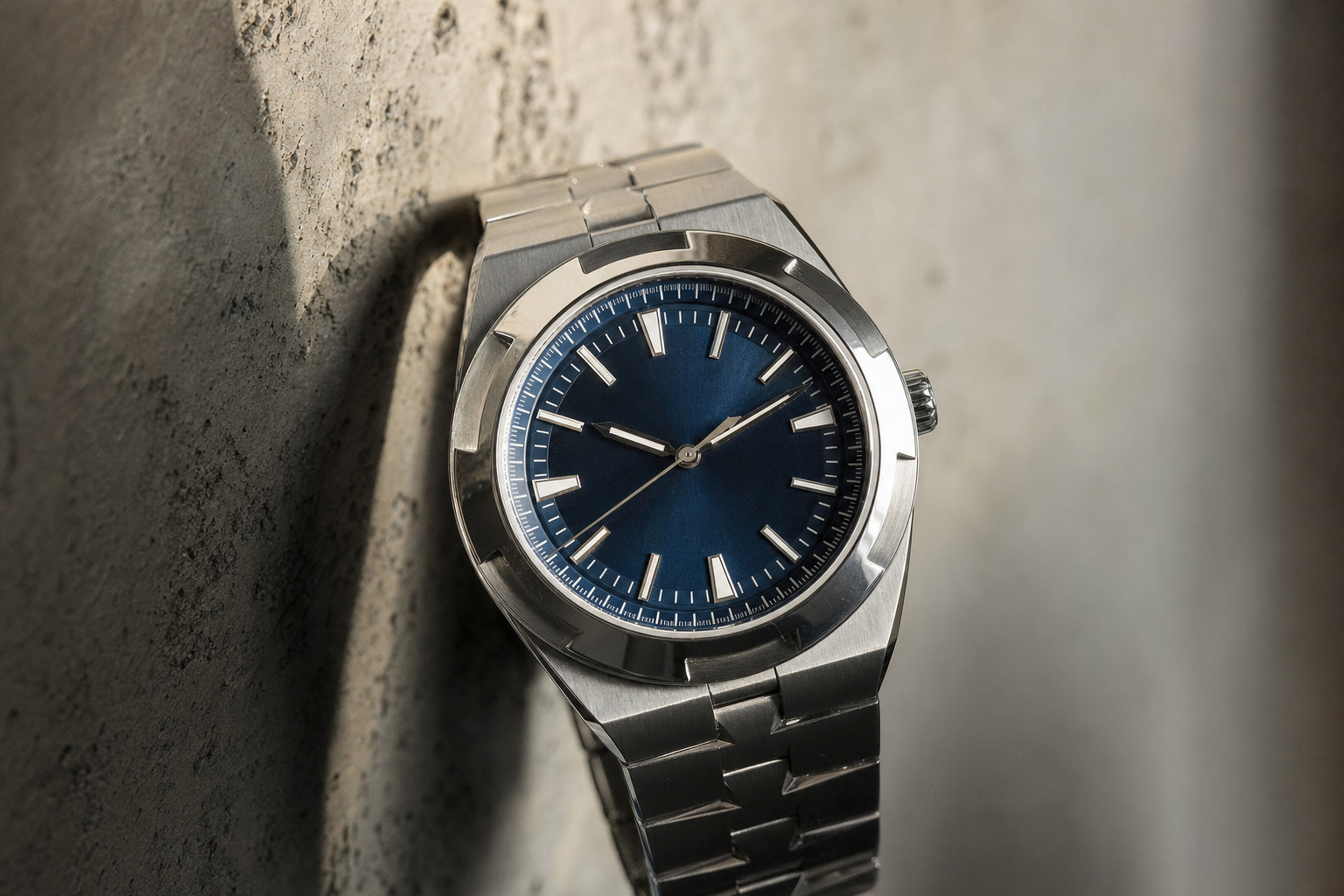
### Vacheron Constantin: Oldest Continuous Watchmaker, Art of Complications Positioning: As the oldest continuously operating watch manufacturer, Vacheron Constantin embodies traditional haute horlogerie, focusing on exquisite finishing, complex movements, and limited production. It's a pinnacle of Swiss craftsmanship. House Codes: The Maltese Cross emblem, refined case designs, intricate hand-finishing, and a commitment to grand complications. The Overseas collection adds a sporty-chic dimension. Who it is for: Collectors seeking the highest echelons of traditional Swiss watchmaking, rare complications, and a brand with an unbroken lineage.
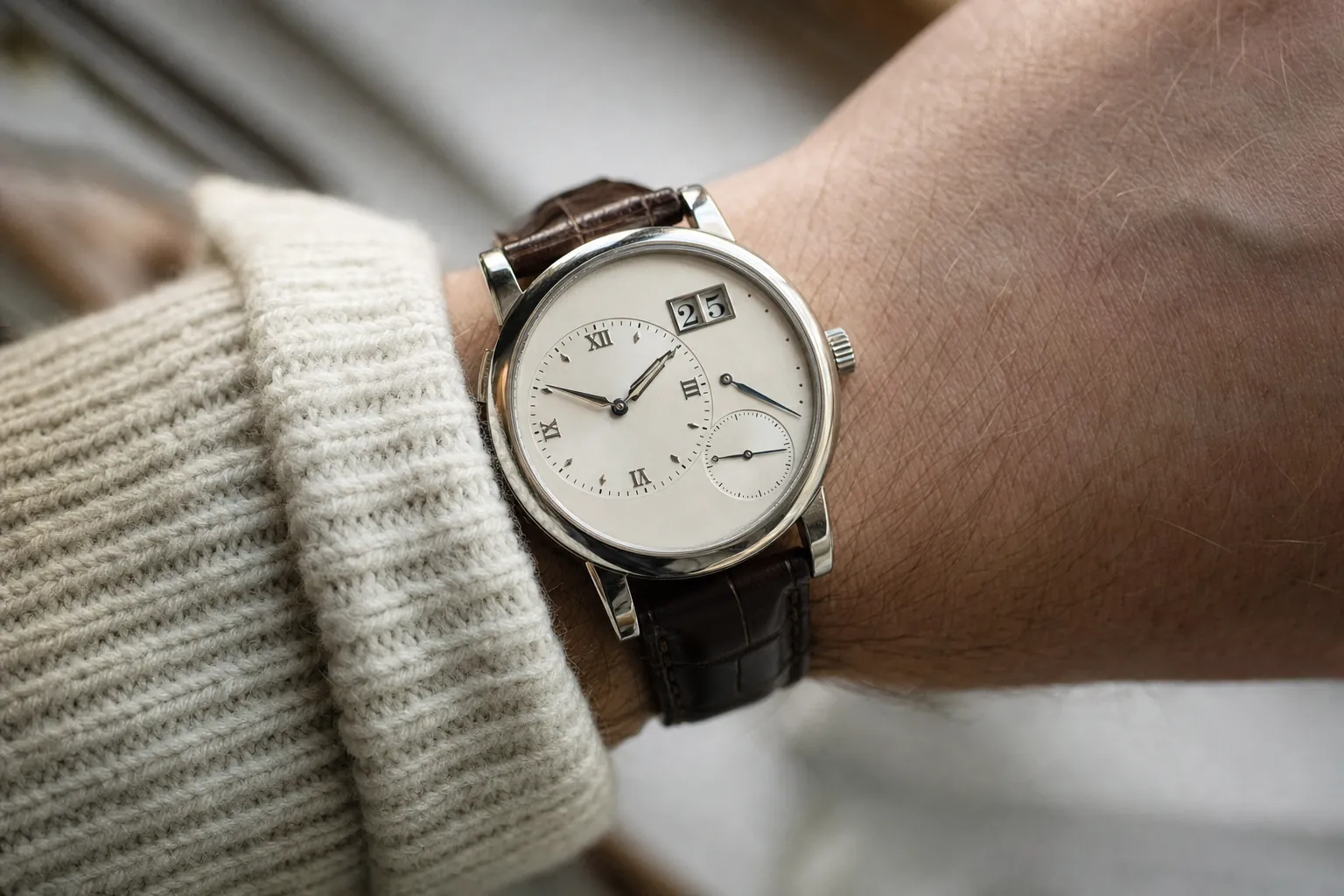
### A. Lange & Söhne: German Precision, Saxon Masterpiece Positioning: A. Lange & Söhne, revived post-reunification, represents the pinnacle of German watchmaking, characterized by meticulous hand-finishing, unique movement architecture, and a focus on precision and classic aesthetics. They stand apart from Swiss traditions. House Codes: Three-quarter plate, hand-engraved balance cock, Glashütte ribbing, large date display, and a distinct "German silver" (nickel silver) for movement components. Who it is for: Discerning collectors who appreciate unconventional movement aesthetics, superlative finishing, and the distinct philosophy of Saxon watchmaking.
### Zenith: The High-Frequency Innovator Positioning: Zenith is renowned for its pioneering high-frequency movements, most notably the El Primero chronograph, which was groundbreaking in its accuracy and integrated design. House Codes: The high-beat El Primero movement, open-heart dials showcasing the balance wheel, and a strong history in chronometry and aviation. Who it is for: Those who value chronograph heritage, technical innovation, and exceptional accuracy in a mechanical timepiece.
### Hublot: The Art of Fusion Positioning: Hublot's philosophy of "Art of Fusion" blends unexpected materials—like gold with rubber—into bold, contemporary designs. It's a modern, often flamboyant, take on luxury watchmaking. House Codes: The porthole-inspired Big Bang case, integration of diverse materials, skeletonized movements, and a strong presence in sports and fashion. Who it is for: Collectors who seek modern, avant-garde designs, high-tech materials, and a watch that makes a statement. It's a brand for those who are not afraid to stand out.
### Piaget: Ultra-Thin Elegance and High Jewelry Positioning: Piaget excels in two distinct realms: ultra-thin mechanical movements and exquisite high jewelry watches. They are masters of discreet elegance and gem-setting. House Codes: Exceptionally thin cases and movements (Altiplano), elegant dress watch designs, and intricate gem-setting. Who it is for: Individuals who appreciate refined elegance, the technical challenge of ultra-thin watchmaking, and the artistry of high jewelry.
2. Brand History and Defining Milestones with Dates
Understanding the lineage of these brands provides context for their current offerings and enduring value. Each has a rich tapestry woven with innovation, resilience, and iconic creations.
- Tudor (1926): Founded by Hans Wilsdorf (also founder of Rolex) to offer reliable watches at a more accessible price. 1954: Introduction of the Oyster Prince Submariner. 2015: Unveiling of their first in-house movements, solidifying their independence. The Tudor Black Bay vs Rolex Submariner comparison highlights its distinct evolution.
- IWC Schaffhausen (1868): Founded by American watchmaker Florentine Ariosto Jones in Schaffhausen, Switzerland, combining American production methods with Swiss craftsmanship. 1936: Creation of the first Special Pilot's Watch. 1939: Birth of the Portugieser. 1985: Launch of the Da Vinci Perpetual Calendar designed by Kurt Klaus.
- Panerai (1860): Established in Florence, Italy, as a workshop, shop, and watchmaking school. Supplier of precision instruments to the Royal Italian Navy. 1936: Development of the first Radiomir prototypes for commandos. 1950s: Introduction of the Luminor case with its distinctive crown protector. 1997: Relaunch of the brand into the civilian market, sparking a global phenomenon, with the Panerai Luminor history and reference numbers being key to its allure.
- Breitling (1884): Léon Breitling opens his workshop in Saint-Imier, Switzerland, specializing in chronographs. 1915: Breitling invents the first independent chronograph push-piece. 1952: Introduction of the Navitimer, the ultimate pilot's chronograph, a cornerstone of Breitling Navitimer aviation heritage.
- Jaeger-LeCoultre (1833): Antoine LeCoultre establishes his workshop in Le Sentier. 1844: Invents the Millionomètre, the most precise measuring instrument of its time. 1907: Creates the thinnest movement ever, the Calibre 145. 1931: Introduction of the iconic Reverso, originally for polo players, with its Jaeger-LeCoultre Reverso history detailing its enduring appeal.
- Vacheron Constantin (1755): Jean-Marc Vacheron, a young master watchmaker, opens his workshop in Geneva, marking the continuous operation. 1819: François Constantin joins the company, leading to the "Vacheron & Constantin" name. 1977: Introduction of the 222, precursor to the Overseas. 1996: Relaunch of the Overseas collection, making a modern statement, as seen in the Vacheron Constantin Overseas review.
- A. Lange & Söhne (1845): Ferdinand Adolph Lange establishes his watchmaking workshop in Glashütte, Saxony. 1948: Expropriated by the communist regime. 1990: Brand revived by Walter Lange, Ferdinand's great-grandson. 1994: Presents its first new collection, including the now-iconic Lange 1, defining A. Lange & Söhne Lange 1 guide.
- Zenith (1865): Georges Favre-Jacot founds the brand in Le Locle. 1969: Launches the revolutionary El Primero, the world's first integrated automatic high-frequency chronograph movement, forever cementing its Zenith El Primero chronograph legacy.
- Hublot (1980): Founded by Carlo Crocco, introducing the first gold watch with a natural rubber strap, a bold fusion at the time. 2004: Jean-Claude Biver takes the helm, leading to the creation of the Big Bang model, which became the cornerstone of the Hublot Big Bang collector's guide.
- Piaget (1874): Georges-Édouard Piaget sets up his first workshop on the family farm, specializing in movement components. 1957: Introduces the ultra-thin hand-wound Calibre 9P. 1960: Creates the ultra-thin automatic Calibre 12P, marking the beginning of Piaget Altiplano ultra-thin watchmaking dominance.
3. Every Current Collection Explained, with Signature References
Each maison boasts distinct collections, often catering to different tastes and functionalities.
- Tudor:
- Black Bay: The most popular line, known for its vintage dive watch aesthetics. Key references include the Black Bay 58 (e.g., ref. M79030N) for its compact size, and the Black Bay GMT (e.g., ref. M79830RB). Several models feature in-house movements.
- Pelagos: A serious, modern dive watch, often in titanium, known for its robust construction and helium escape valve. Pelagos 39 (e.g., ref. M25407N-0001) offers a more wearable dimension.
- Ranger: An adventure-oriented field watch, a nod to its 1960s predecessors. (e.g., ref. M79950-0001).
- Royal: Tudor's more elegant, integrated bracelet sports watch line, available in various sizes and materials.
- IWC Schaffhausen:
- Portugieser: Elegant chronographs and complications, recognized by their large, legible dials and classic proportions. The Portugieser Chronograph (e.g., ref. IW371605) is an icon, detailed in the IWC Portugieser chronograph buyer's guide.
- Pilot's Watch: The backbone of IWC's heritage. Includes the Big Pilot's Watch (e.g., ref. IW501001), Chronographs (e.g., ref. IW377709), and the Mark series (e.g., Pilot's Watch Mark XX ref. IW328202).
- Portofino: Classic, understated dress watches, often with minimalist dials and refined aesthetics. (e.g., ref. IW356501).
- Da Vinci: Distinctive round cases, often housing complex perpetual calendars or chronographs. (e.g., ref. IW392103).
- Aquatimer: Robust dive watches known for their functional designs and internal rotating bezels.
- Panerai:
- Luminor: The most recognizable collection, featuring the patented crown-protecting device. Key references include the Luminor Marina (e.g., PAM01312) and the more minimalist Luminor Base Logo (PAM01086).
- Radiomir: Closer to the original 1930s military watches, characterized by wire lugs and a more traditional cushion case without the crown guard. (e.g., PAM00753).
- Submersible: Panerai's dedicated professional dive watch line, larger and more robust, often featuring ceramic bezels. (e.g., PAM00959).
- Due: A thinner, more refined take on the Luminor, designed for versatility and dressier occasions. (e.g., PAM01274).
- Breitling:
- Navitimer: The quintessential pilot's chronograph with its iconic slide rule bezel. (e.g., Navitimer B01 Chronograph 43 ref. AB0138241B1A1).
- Chronomat: A versatile sports chronograph, identifiable by its rouleaux bracelet and rider tabs on the bezel. The Breitling Breitling Chronomat 36 Blue Dial is an excellent example of its modern iteration.
- Superocean: Breitling's robust line of dive watches, known for their vibrant colors and exceptional water resistance. (e.g., Superocean Automatic 42 ref. A17375211B1A1).
- Premier: More elegant, classic chronographs and dress watches, recalling Breitling's heritage of refined timepieces.
- Jaeger-LeCoultre:
- Reverso: The timeless rectangular watch with a swiveling case. Variations include the Reverso Tribute Small Seconds (e.g., Q3978430) and the complex Reverso Tribute Duoface Tourbillon (e.g., Q3926480).
- Master: A collection of round, elegant watches, often featuring intricate complications like perpetual calendars or ultra-thin movements. The Master Ultra Thin Moon (e.g., Q1368420) is particularly sought-after.
- Polaris: JLC's contemporary sports watch collection, inspired by vintage dive watches, offering both simple time-only models and chronographs. (e.g., Polaris Automatic ref. Q9008471).
- Duomètre: A line showcasing complex dual-wing movements, representing JLC's technical prowess.
- Vacheron Constantin:
- Overseas: The brand's luxury sports watch with an integrated bracelet, characterized by its distinctive hexagonal bezel and interchangeable strap system. (e.g., Overseas Self-Winding ref. 4500V/110A-B128).
- Traditionnelle: Epitomizes classic haute horlogerie, focusing on traditional complications and exquisite finishing. (e.g., Traditionnelle Complete Calendar ref. 4010T/000G-B344).
- Patrimony: Elegant, minimalist dress watches, often ultra-thin, celebrating the purity of design. (e.g., Patrimony Perpetual Calendar Ultra-Thin ref. 43172/000P-9236).
- Historiques: Re-editions or reinterpretations of iconic Vacheron Constantin watches from its archives, like the American 1921.
- A. Lange & Söhne:
- Lange 1: The brand's most iconic watch, instantly recognizable by its off-center dial layout, large date, and power reserve indicator. (e.g., Lange 1 ref. 191.039).
- Saxonia: Classic and understated, focusing on purity of form and perfect proportions. Often features time-only or simple complications. (e.g., Saxonia Thin ref. 211.032).
- 1815: A collection paying homage to Ferdinand Adolph Lange's birth year, characterized by classical designs, blued hands, and Arabic numerals. (e.g., 1815 Chronograph ref. 414.026).
- Zeitwerk: A revolutionary digital mechanical watch displaying hours and minutes with jumping numerals.
- Zenith:
- Chronomaster: The primary showcase for the El Primero movement, including the open-heart Chronomaster Open (e.g., ref. 03.3300.3604/69.M3300) and the historically accurate Chronomaster Original (e.g., ref. 03.3200.3600/69.C902).
- Pilot: Robust pilot's watches, often with large onion crowns and clear readability. (e.g., Pilot Type 20 Chronograph ref. 29.2430.4069/21.C800).
- Defy: Zenith's modern and futuristic line, often featuring skeletonized movements, high-frequency oscillators, and avant-garde designs. (e.g., Defy Skyline ref. 03.9300.3620/51.I001).
- Hublot:
- Big Bang: The flagship collection, known for its layered "sandwich" case construction and bold integration of materials. Models range from chronographs to tourbillons. (e.g., Big Bang Integral Titanium ref. 451.NX.1170.NX).
- Classic Fusion: A more understated interpretation of Hublot's design language, still featuring the porthole aesthetic but in a slimmer profile. (e.g., Classic Fusion Chronograph Titanium ref. 521.NX.7170.LR).
- Spirit of Big Bang: Tonneau-shaped cases, often skeletonized, offering a different architectural take on the Big Bang concept.
- Piaget:
- Altiplano: The epitome of ultra-thin watchmaking, featuring incredibly slim cases and movements, often in elegant, minimalist designs. (e.g., Altiplano Ultimate Automatic ref. G0A43120).
- Polo: Piaget's luxury sports watch, identifiable by its cushion-shaped case integrated into a bracelet, with both time-only and chronograph versions. (e.g., Piaget Polo Automatic ref. G0A46019).
- Limelight Gala: Distinctive and elegant jewelry watches for women, characterized by their asymmetrical cases and often gem-set bezels.
4. Movements and In-House Calibers Used Across the Range
The heart of any high-end timepiece is its movement. These maisons are celebrated for their commitment to in-house watchmaking and horological excellence.
- Tudor: Primarily uses its own in-house Manufacture Calibres, such as the MT5602 (time-only, COSC-certified, ~70-hour power reserve) and MT5652 (GMT function), which are robust and reliable. Some earlier or entry models may use modified ETA movements, though the trend is firmly towards in-house.
- IWC Schaffhausen: Has a strong tradition of in-house movements, including the 52000-calibre family (automatic, ~7-day power reserve, Pellaton winding system) found in Portugieser and Big Pilot models, and the 69000-calibre family (automatic chronograph). Some entry-level models might utilize modified Sellita or ETA base movements, expertly finished and regulated by IWC.
- Panerai: Increasingly relies on its own in-house manufacture movements. Notable examples include the P.5000 (8-day manual wind), P.9010 (3-day automatic), and various more complex calibers like the P.200X series (chronographs, GMTs, power reserves).
- Breitling: All modern Breitling movements are COSC-certified chronometers. Their flagship in-house caliber is the B01 (automatic chronograph, ~70-hour power reserve), which is widely respected. They also use other in-house movements like the B04 (GMT chronograph) and B20 (derived from Tudor's MT5612), alongside highly modified ETA/Sellita movements for certain lines.
- Jaeger-LeCoultre: A true manufacture with a vast library of movements, having developed over 1,200 calibers. Key examples include the Caliber 854A/2 (manual winding Reverso), Caliber 925 (automatic with moon phase), and numerous grand complication movements like the 945 (tourbillon, minute repeater, celestial chart). Their expertise in movements and complications is legendary.
- Vacheron Constantin: Known for exceptional hand-finished manufacture movements. The Caliber 2450 (automatic, time-only) and Caliber 2460 (with complications) are foundational. The Caliber 5100 powers many Overseas models. Their ultra-thin and grand complication movements are among the most revered in haute horlogerie.
- A. Lange & Söhne: Exclusively uses meticulously hand-finished in-house movements. Every caliber is assembled twice. Notable examples include the Caliber L901.0 (Lange 1), the manual-wind L951.5 (1815 Chronograph), and the technically brilliant L043.2 (Zeitwerk).
- Zenith: Most famous for its high-frequency El Primero automatic chronograph movements, beating at 36,000 VpH (5 Hz), enabling 1/10th of a second accuracy. The El Primero 3600 is the latest iteration. They also produce the time-only Elite movements.
- Hublot: Utilizes both highly modified third-party movements and a growing number of impressive in-house movements, such as the UNICO (HUB1242/HUB1280) column-wheel flyback chronograph, and various tourbillon and minute repeater calibers.
- Piaget: Renowned for its ultra-thin movements, such as the 9P (manual) and 12P (automatic) that set world records for thinness. Modern examples include the Caliber 1200P (ultra-thin automatic) and 1110P (automatic time-and-date) used in the Polo series.
5. Price Tiers Today: Entry, Core, and Grail, with Realistic Ranges
Pricing for these maisons can vary significantly based on materials, complications, and rarity. These are approximate market observations for well-maintained pre-owned examples as of 2026.
| Maison | Entry-Level (approx.) | Core Collection (approx.) | Grail/Complication (approx.) |
|---|---|---|---|
| :----------------- | :---------------------- | :------------------------ | :------------------------------ |
| Tudor | $3,000 - $5,000 | $4,000 - $8,000 | $7,000 - $15,000+ |
| IWC | $4,000 - $7,000 | $7,000 - $15,000 | $15,000 - $50,000+ |
| Panerai | $4,500 - $7,500 | $7,000 - $15,000 | $15,000 - $40,000+ |
| Breitling | $3,500 - $6,500 | $6,000 - $12,000 | $10,000 - $30,000+ |
| Jaeger-LeCoultre | $5,000 - $10,000 | $10,000 - $25,000 | $25,000 - $100,000+ |
| Vacheron Constantin | $15,000 - $25,000 | $25,000 - $50,000 | $50,000 - $500,000+ |
| A. Lange & Söhne | $20,000 - $35,000 | $35,000 - $70,000 | $70,000 - $500,000+ |
| Zenith | $4,000 - $7,000 | $6,500 - $15,000 | $15,000 - $40,000+ |
| Hublot | $7,000 - $15,000 | $12,000 - $30,000 | $30,000 - $200,000+ |
| Piaget | $5,000 - $10,000 | $10,000 - $25,000 | $25,000 - $100,000+ |
Note: Prices are highly approximate and subject to market fluctuations, condition, and specific reference. Grail pieces can reach much higher for unique complications or limited editions. For a broader understanding of market dynamics, consult our Luxury Watch Investment & Market Guide: Navigating 2026.
6. What to Check Before Buying Pre-Owned from This Maison
Acquiring a pre-owned luxury watch from these distinguished maisons requires careful consideration. At Lume Wrist Watches, we ensure every timepiece meets rigorous standards, but here's what an informed buyer should look for:
- Authenticity: This is paramount. Always verify the watch's provenance. Check for original box and papers, and seek out reputable dealers who offer our inspection process.
- Condition of Case and Dial: Look for excessive polishing, deep scratches, or dings. Examine the dial for signs of water damage, re-luming (unless historically appropriate and disclosed), or pitting. Originality of components like hands and hour markers is key.
- Movement Functionality: Ensure all functions (time-keeping, date, chronographs, complications) operate smoothly. A service history is a major plus, indicating proper maintenance. Look for consistent timekeeping within expected parameters.
- Bracelet/Strap Condition: Check for stretch in metal bracelets, particularly on models like the Breitling Chronomat or Vacheron Constantin Overseas. Leather straps should ideally be replaced for hygiene and longevity, but their original condition can inform value.
- Servicing History: A watch with documented recent servicing from the manufacturer or a certified watchmaker is more valuable and less likely to incur immediate expenses. For intricate movements, servicing can be costly.
- Water Resistance: If purchasing a dive or sports watch, inquire about recent water resistance testing. Seals degrade over time and require periodic replacement, particularly for a vintage Rolex Submariner Two Tone 16613 Bluesy.
7. Current Authenticated Stock at Lume Wrist Watches
Lume Wrist Watches is proud to offer a curated selection of timepieces from these esteemed maisons, all subject to our stringent authentication process. Discover exceptional pieces that embody the craftsmanship and heritage discussed in this guide. Our collection spans various models, offering something for every discerning collector. We can arrange private viewing appointments in our New York boutique or ship luxury watches delivered to all 50 states, including to luxury watches in California and luxury watches in Florida.
- Breitling Breitling Chronomat 36 Blue Dial: A sophisticated and versatile timepiece from Breitling's iconic Chronomat line, exemplifying its modern aesthetic and robust performance.
- Audemars Piguet Audemars Piguet Millenary 4101 Skeleton Dial: While not one of the ten brands explicitly detailed here, this Audemars Piguet Millenary offers a glimpse into another high-tier maison's commitment to avant-garde design and exquisite movement finishing.
- Explore our full selection of all featured maisons and our authenticated collection, including exceptional pieces from Cartier watches and Rolex collection. If you don't see what you're looking for, our concierge sourcing service can assist.
8. Frequently Asked Questions
Q: What differentiates these maisons from the "Big Four"? A: While the "Big Four" (Rolex, Patek Philippe, Audemars Piguet, Omega) are globally recognized, these maisons often offer a deeper dive into specialized horological niches, unique design philosophies, and an emphasis on traditional craftsmanship or specific technical innovations that appeal to collectors seeking individuality and a profound appreciation for watchmaking artistry.
Brands like A. Lange & Söhne, Vacheron Constantin, and certain JLC references are often seen as strong long-term holdings due to their low production numbers and exceptional quality.
Q: Do these brands offer better value than Rolex or Patek Philippe? A: "Value" is subjective. For sheer horological complexity, hand-finishing, and distinct design, many of these maisons offer an exceptional value proposition compared to similarly priced models from the "Big Four." Tudor, for instance, provides Rolex-level robustness and in-house movements at a much lower entry point. It depends on whether you prioritize brand recognition or intricate craftsmanship and unique heritage.
Q: Where can I have these specialized watches serviced? A: For optimal care, it is always recommended to have these watches serviced by the manufacturer directly or by an authorized service center that specializes in the brand's specific movements and complications. Independent watchmakers with proven expertise in haute horlogerie can also be a viable option, but verify their credentials thoroughly.
Q: What is an "independent watchmaker" and how do they relate to these maisons? A: Independent watchmakers are individual artisans or small teams who design and produce watches, often in very limited quantities, with complete creative and technical freedom, separate from larger corporate groups. While some of the brands listed here (like A. Lange & Söhne, post-revival) operate with a high degree of independence, the category of "independent watchmakers" usually refers to even smaller, often niche, operations focused on extreme craft and innovation, representing the ultimate "rise of independent watchmakers" trend.
Contact Lume Wrist Watches
For further inquiries or to speak with one of our horological experts, please reach out to us:
- Email: sales@lumewrist.com
- Phone: +1 (332) 285-2190
- Office (by appointment only): 18 East 48th Street, Suite 1503, New York, NY 10017
- Hours: Mon–Fri 9:00 AM – 7:00 PM EST · Closed Saturday & Sunday
You can also visit our contact page or explore our shop for more information.
Final Thoughts
Venturing beyond the conventional "Big Four" opens up a vast and rewarding landscape of horological excellence. The maisons discussed here offer rich histories, unparalleled craftsmanship, and distinct characters that cater to the most discerning collectors. Whether you seek robust tool watches, elegant dress pieces, or complex mechanical marvels, these brands represent the pinnacle of watchmaking artistry. We encourage you to delve deeper into their stories and discover the perfect timepiece that resonates with your passion. Begin your exploration today by visiting our shop.
## More in this series - Panerai Luminor History & Reference Numbers: An Expert Guide - Jaeger-LeCoultre Reverso: The Pivoting Icon of Horology - A. Lange & Söhne Lange 1: The Definitive Collector's Guide - Grand Seiko Spring Drive: Unveiling the Masterpiece of Precision - Jaeger-LeCoultre Reverso History: Polo Fields to Haute Horlogerie - The Enduring Legacy: A Deep Dive into Jaeger-LeCoultre Reverso History - Vacheron Constantin Overseas Review: The Quintessential Travel Companion - Chopard Watches Explained for First-Time Collectors - Breitling Navitimer: Soaring Through Aviation History & Horology - Piaget Altiplano: Deciphering the Zenith of Ultra-Thin Watchmaking - Piaget Altiplano: Deciphering the Zenith of Ultra-Thin Watchmaking - Vacheron Constantin Overseas: An Expert's Definitive Review - Hublot Big Bang Collector's Guide: Exploring Fusion & Innovation - Why the Vacheron Constantin 222 Matters to Modern Collectors - IWC Spitfire Watches Explained for Pilots and Collectors - Blancpain Fifty Fathoms Models Compared for Collectors - Grand Seiko Snowflake Guide to the SBGA211 and SBGA407