Automatic Watches
No battery, no winding routine — a weighted rotor turns as you move and stores the energy in a mainspring. This is the movement most of our collection runs on.
Automatic Watches available now
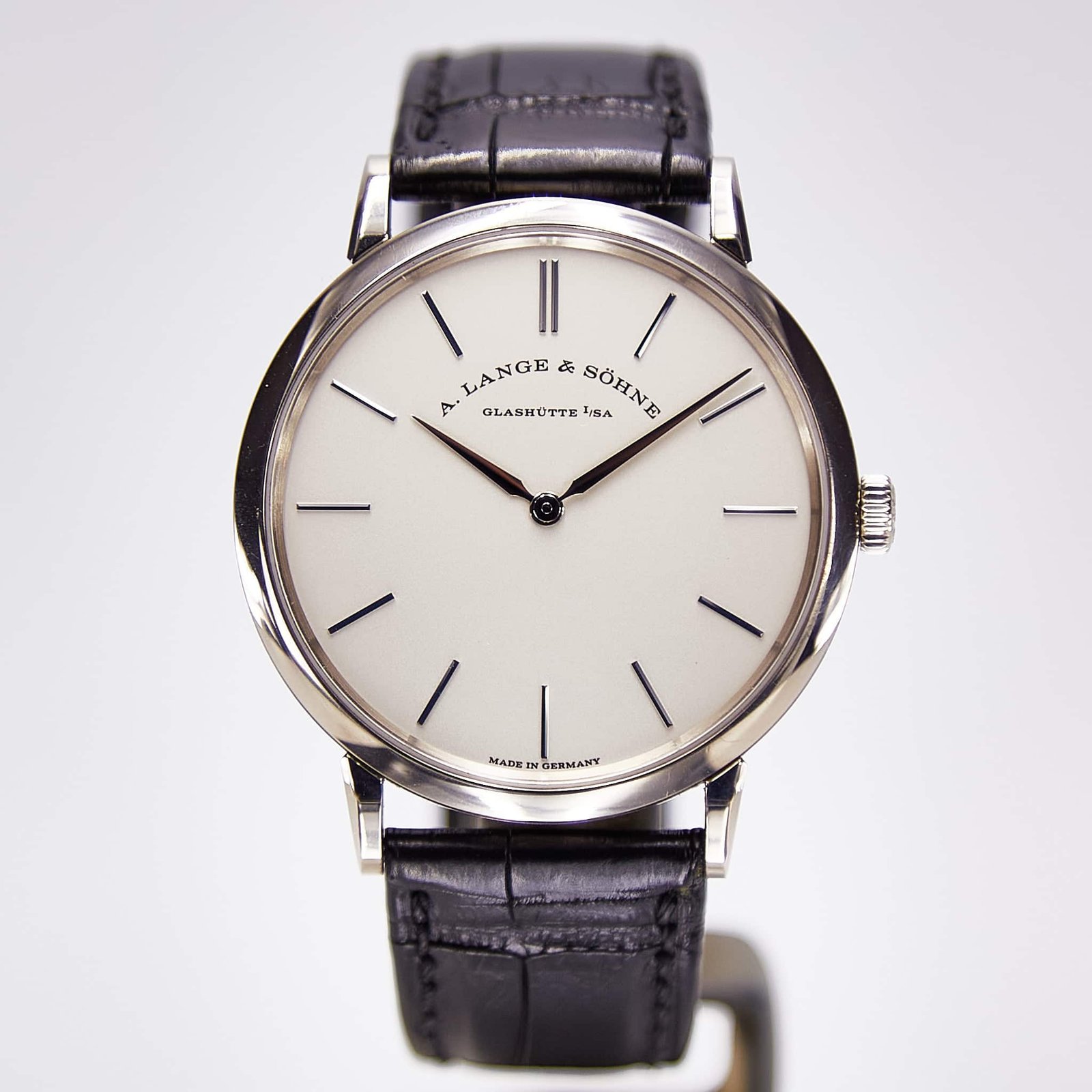 A. Lange & Söhne A. Lange & Söhne Saxonia Thin (201.027)
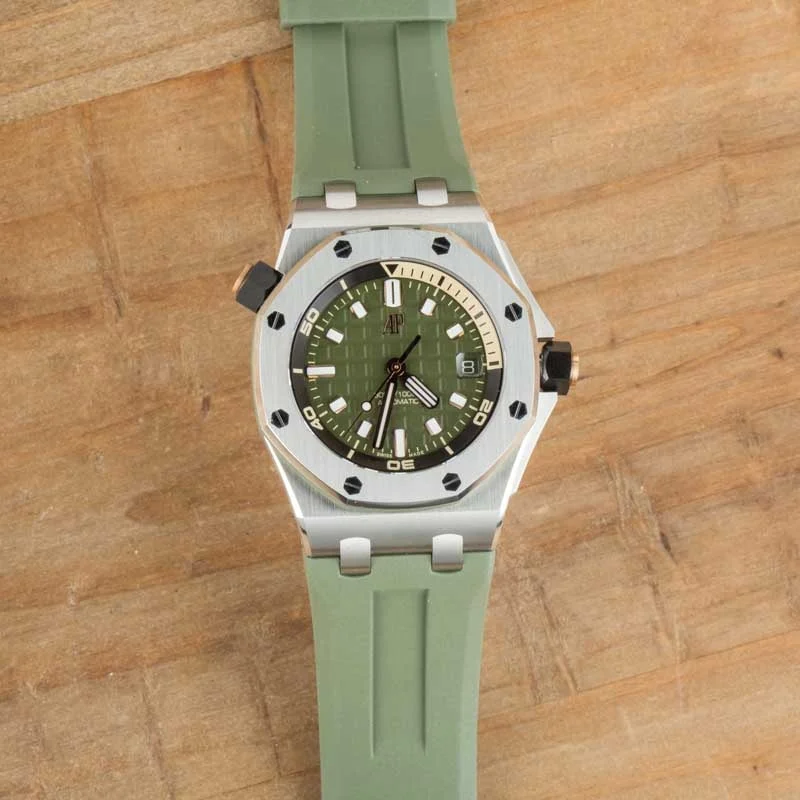 Audemars Piguet Audemars Piguet Royal Oak Offshore Diver Khaki Green
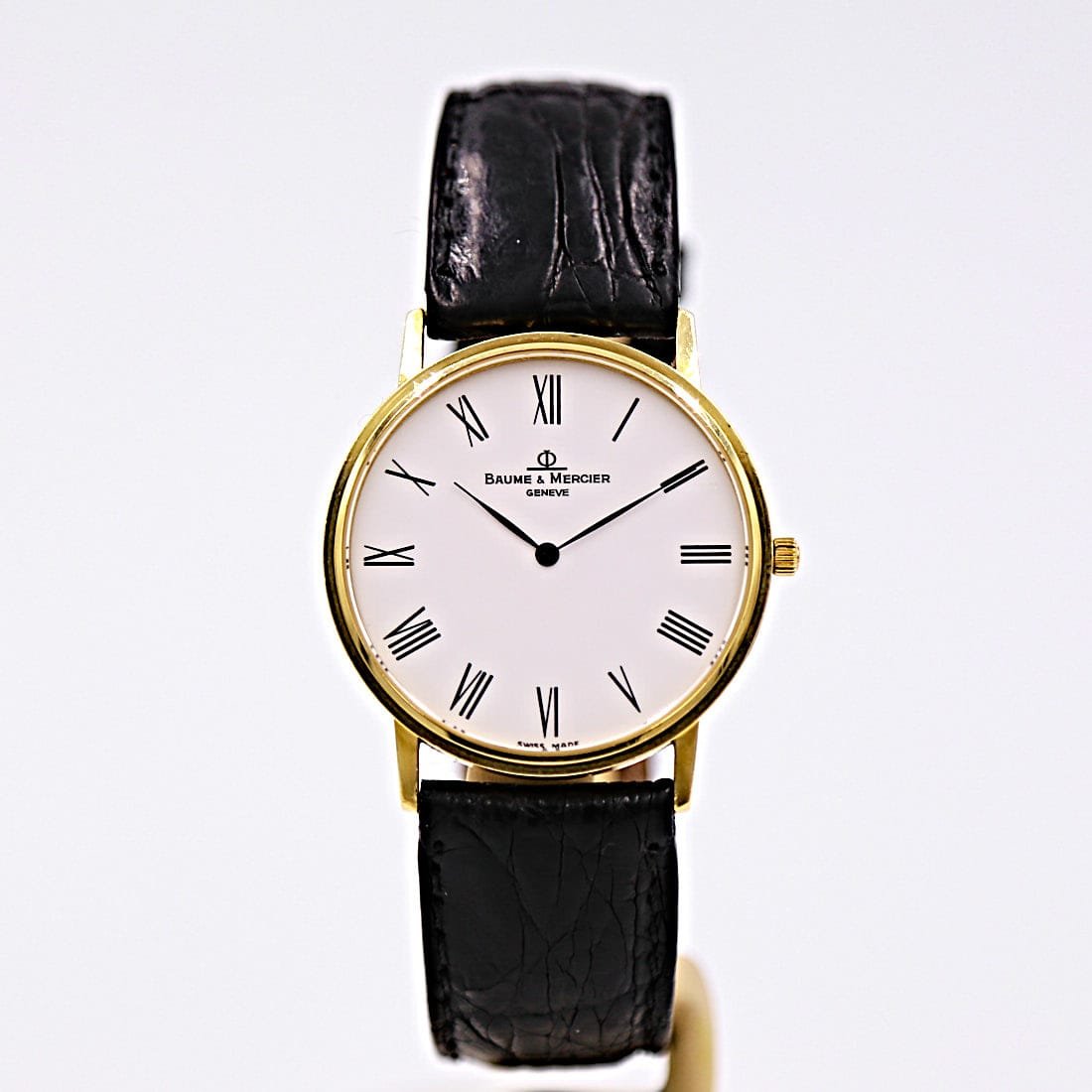 Baume & Mercier Baume & Mercier Classima Ultra Thin (MV04058)
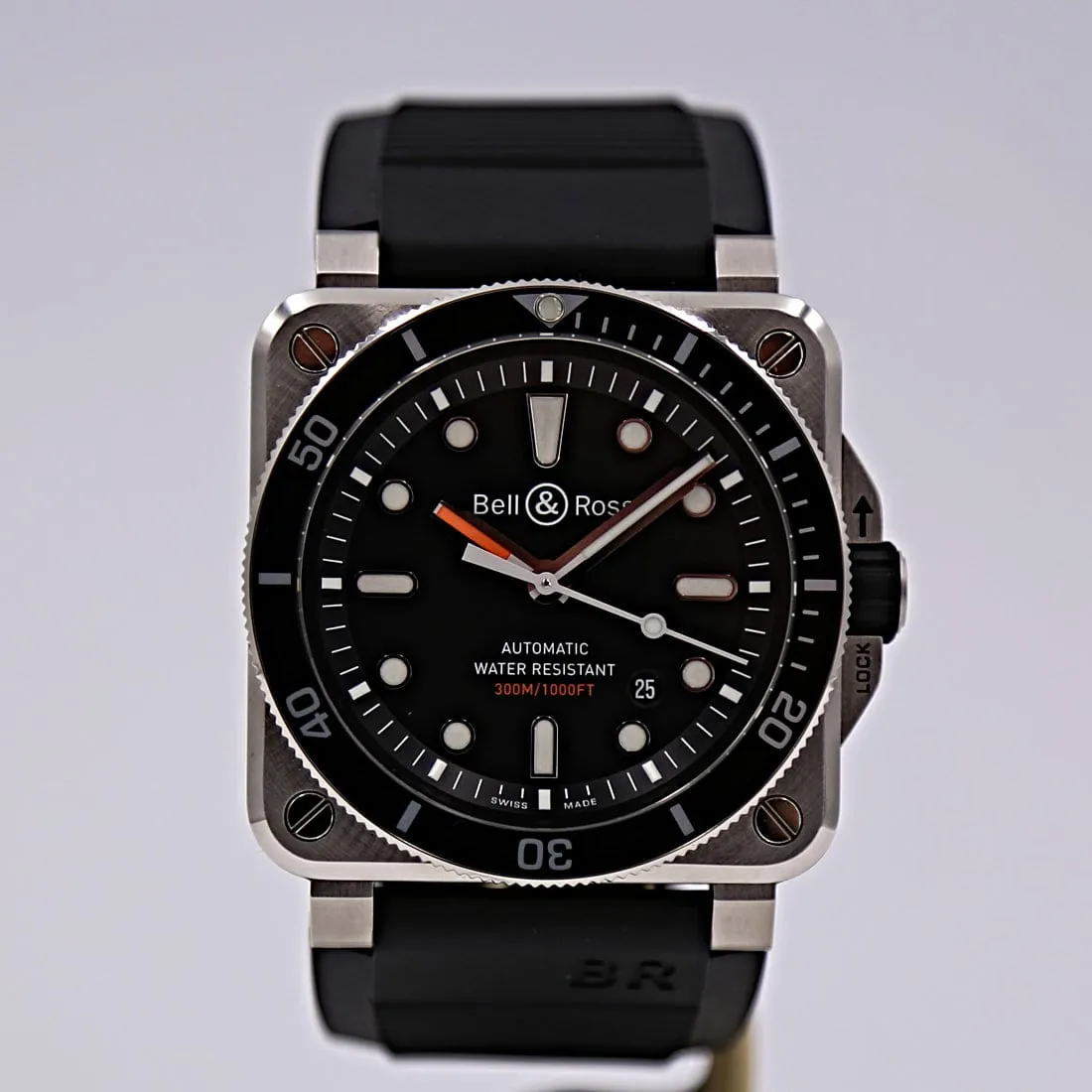 Bell & Ross Bell & Ross BR 03-92 Diver (BR0392-D-BL-ST/SRB)
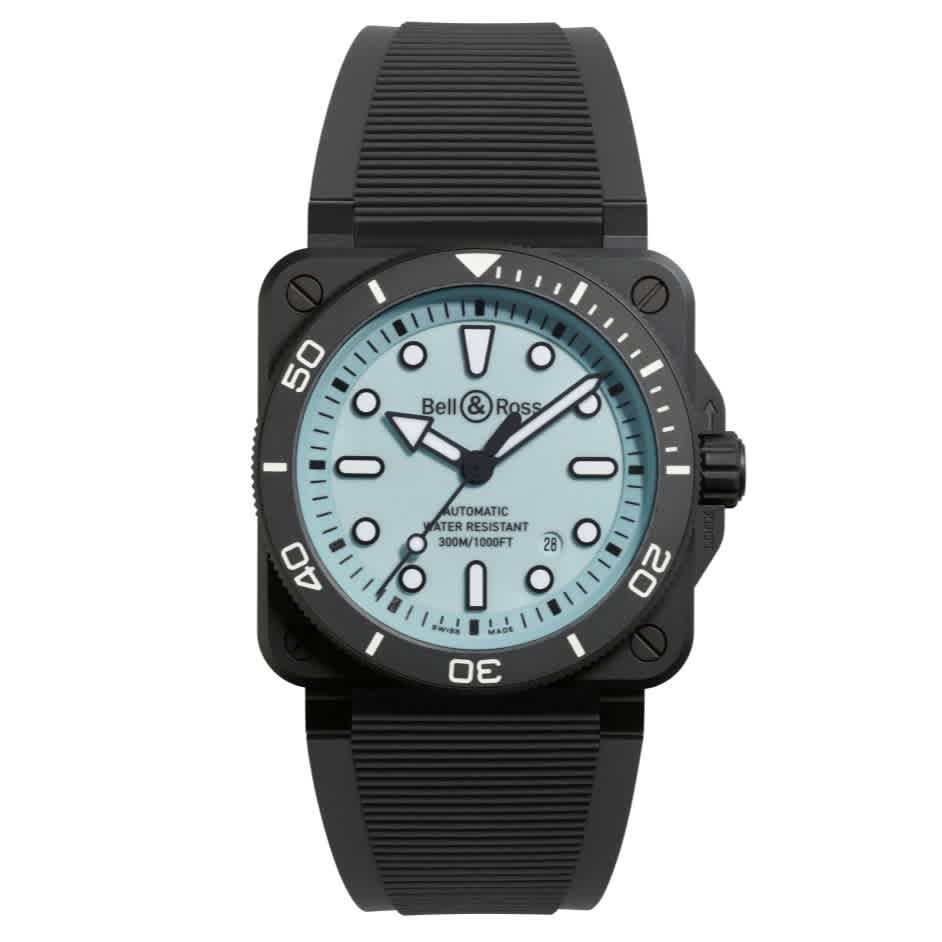 Bell & Ross Bell & Ross BR-03 Diver Full Lum Ceramic (BR03A-D-LM-CE/SRB)
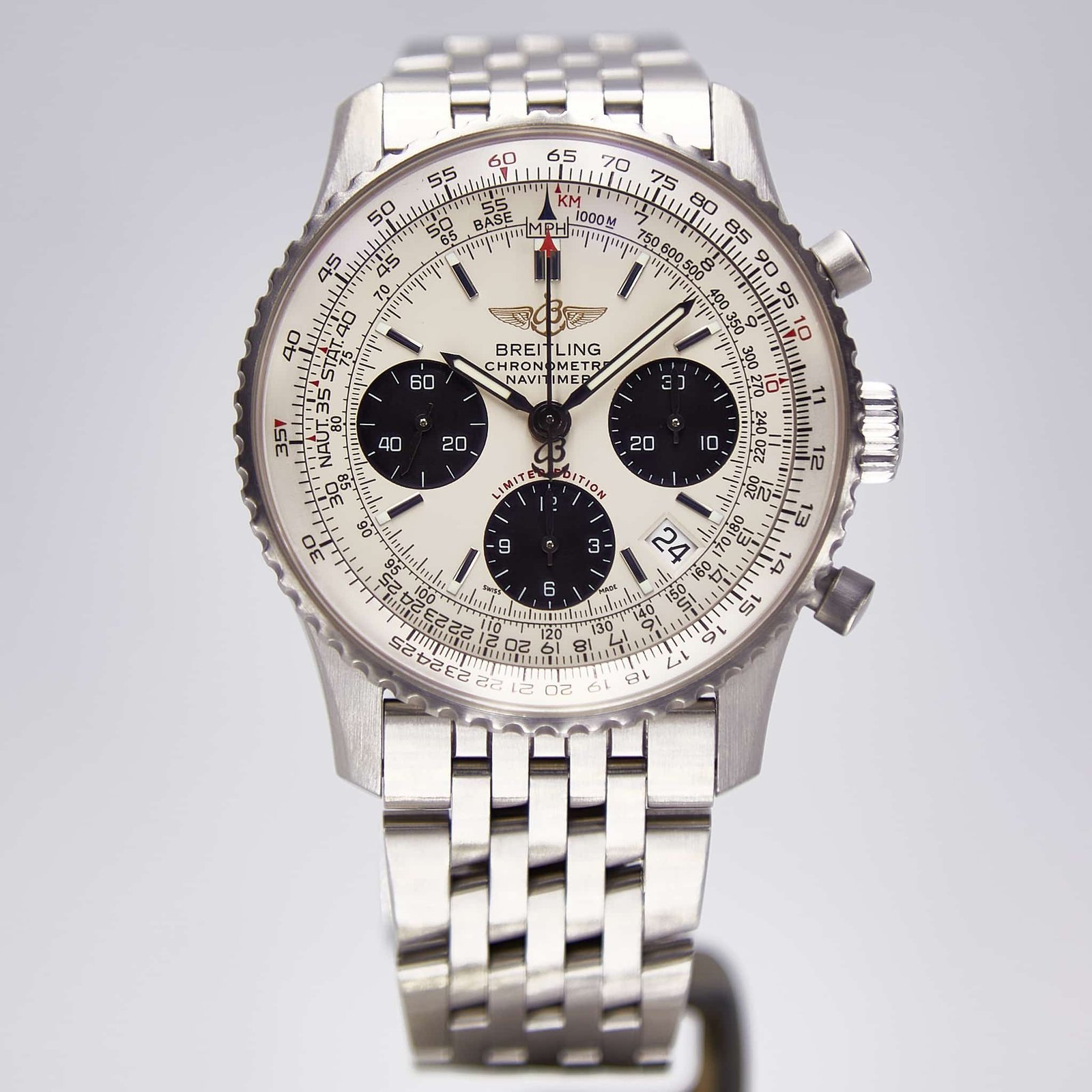 Breitling Breitling Navitimer Limited Edition
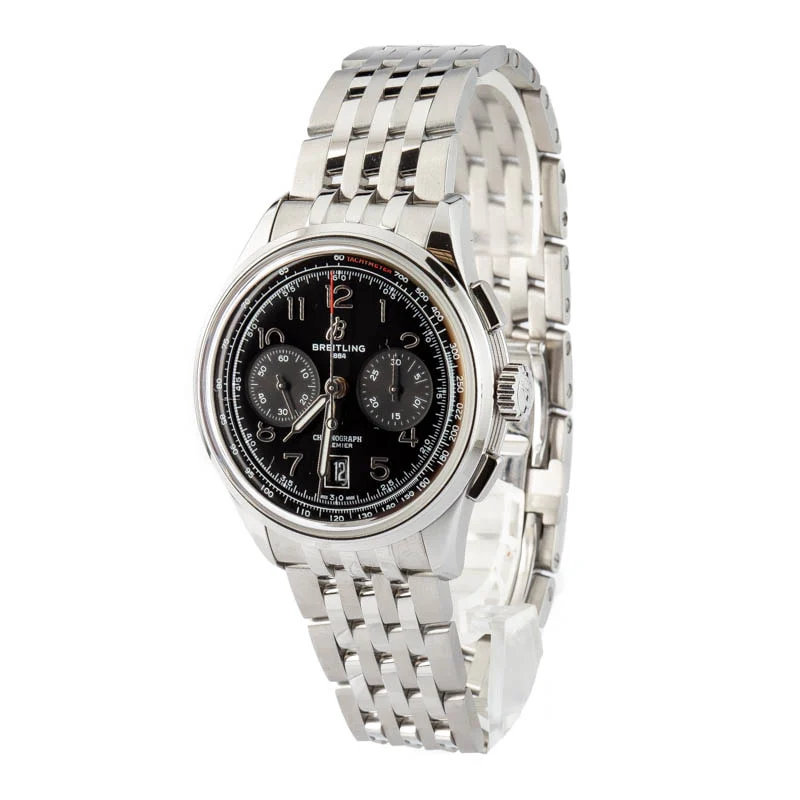 Breitling Breitling Premier Chronograph Stainless Steel
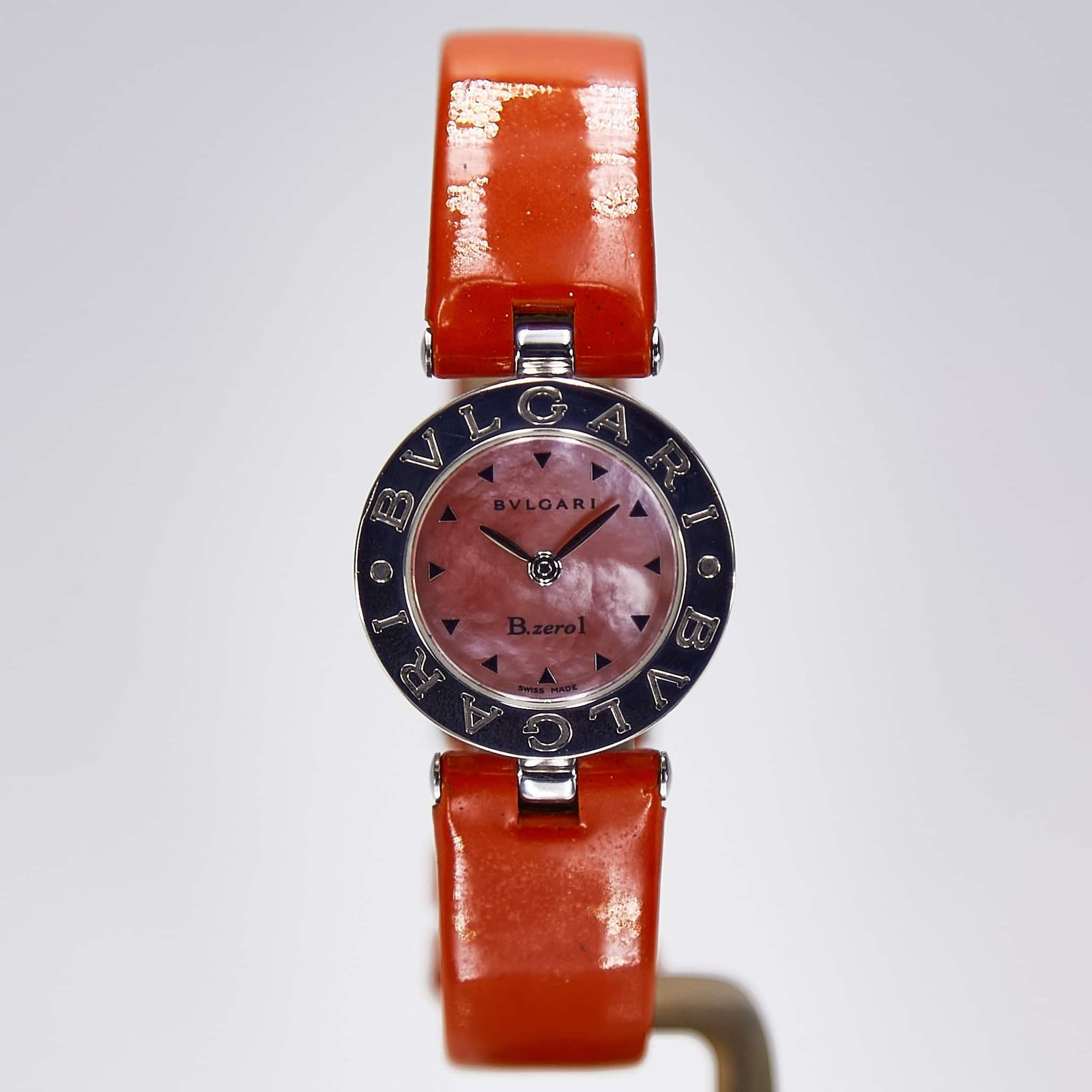 Bulgari Bulgari B.Zero1 (BZ22S)
How an automatic movement actually works
Inside an automatic watch sits a semicircular weight called a rotor, mounted on a pivot. Every time your wrist moves, gravity keeps the rotor oriented downward while the watch turns around it — the relative motion spins the rotor, and a gear train converts that rotation into tension on a coiled mainspring. The mainspring then releases that energy at a strictly controlled rate through the escapement, which is the ticking heart of the watch, typically beating six to eight times per second.
The practical consequence is that a watch worn daily never needs winding. Take it off for two or three days and it stops; put it on and give the crown twenty turns and it restarts. That interval is the power reserve, usually between 38 and 72 hours depending on the calibre, and it is listed on the product page where the manufacturer publishes it.
Automatics are the enthusiast default because they are mechanically alive. They are also the movement type that most rewards ownership: they can be serviced indefinitely, they gain character rather than becoming obsolete, and the finishing on a good calibre is genuinely beautiful. If you want to see that work rather than imagine it, look at skeleton watches, where the dial is cut away to expose the movement, or at mechanical watches generally.
Living with an automatic watch
What ownership actually asks of you.
Winding after a rest
If the watch has stopped, turn the crown roughly twenty to thirty times before putting it on. Do not force it — most automatics have a slipping clutch, but the resistance tells you when it is full.
Accuracy expectations
A well-regulated automatic runs within about -4 to +6 seconds a day. That is normal mechanical performance, not a fault. Quartz will always be more accurate; that has never been the point.
Servicing every 5–7 years
Lubricants degrade and need replacing. A full service strips, cleans, re-oils and regulates the movement. Budget for it the way you would for a car service.
Watch winders are optional
They keep a watch running when unworn, which is convenient for calendar complications. For a simple three-hand automatic, they are a luxury rather than a need.
Reading an automatic specification
The four numbers that tell you most about a self-winding calibre.
- Power reserve
- Hours the watch runs unworn. 38–42 hours is standard; 60–72 hours means you can leave it off over a weekend.
- Beat rate
- Vibrations per hour. 28,800 vph (8 beats per second) gives the classic sweeping seconds hand; 21,600 vph is slower and calmer.
- Jewel count
- Synthetic rubies used as low-friction bearings. Typically 21–31 in a modern automatic — more is not automatically better, it reflects complexity.
- Winding direction
- Bidirectional rotors wind on both swings and charge faster; unidirectional rotors are simpler and quieter.
- Hacking seconds
- Whether the seconds hand stops when you pull the crown, allowing precise time-setting. Present on most modern calibres.
Buying an automatic from us
Timed before dispatch
Every automatic is run and checked against a reference before it leaves the office.
Amplitude and rate checked
Our specialists confirm the movement is performing within tolerance, not merely running.
Two-year mechanical warranty
Covering the movement, handled directly by us.
Servicing advice for the long term
We will tell you when your reference is due and what it should cost.
Automatic Watches — frequently asked questions
Do automatic watches need a battery?
No. They are powered entirely by a mainspring wound by a rotor that turns with the motion of your wrist.
How long does an automatic watch run when I take it off?
Between roughly 38 and 72 hours depending on the calibre. This is the power reserve, listed on the product page where published.
How accurate should an automatic watch be?
Around -4 to +6 seconds per day for a well-regulated movement. Chronometer-certified calibres are held to a tighter standard.
How often does an automatic need servicing?
Every five to seven years for a full strip, clean, re-oil and regulation. Running one far beyond that risks wear to the gear train.
Can I overwind an automatic watch?
No. A slipping clutch in the mainspring barrel prevents over-tensioning. Hand-wound mechanical watches do need more care.
Is an automatic suitable for occasional wear?
Yes, though you will need to wind and reset it each time. If a watch will sit unworn for weeks, quartz or a winder is more convenient.
Related collections
- Mechanical Watches — Hand-wound movements and the wider mechanical family.
- Skeleton Watches — See the automatic movement working through the dial.
- Men's Luxury Watches — Where most automatic references sit.
- Dress Watches — Slim automatics for formal wear.
- Sports Watches — Shock-resistant automatics built for movement.
Explore The Full Collection · Speak to a specialist
Popular searches
- Luxury Watches For Sale
- Luxury Watches Online
- Men's Luxury Watches
- Women's Luxury Watches
- Automatic Watches
- Mechanical Watches
- Chronograph Watches
- Skeleton Watches
- Dress Watches
- Sports Watches
- Dive Watches
- Gold Watches
- Rose Gold Watches
- Stainless Steel Watches
- Sapphire Crystal Watches
- Premium Wrist Watches
- Affordable Luxury Watches
- Luxury Watches Under $500
- Luxury Watches Under $1,000
- Luxury Watches For Gifts