Sapphire Crystal Watches
Second only to diamond in hardness. A sapphire crystal is the single component most responsible for a watch still looking new after ten years of wear.
Sapphire Crystal Watches available now
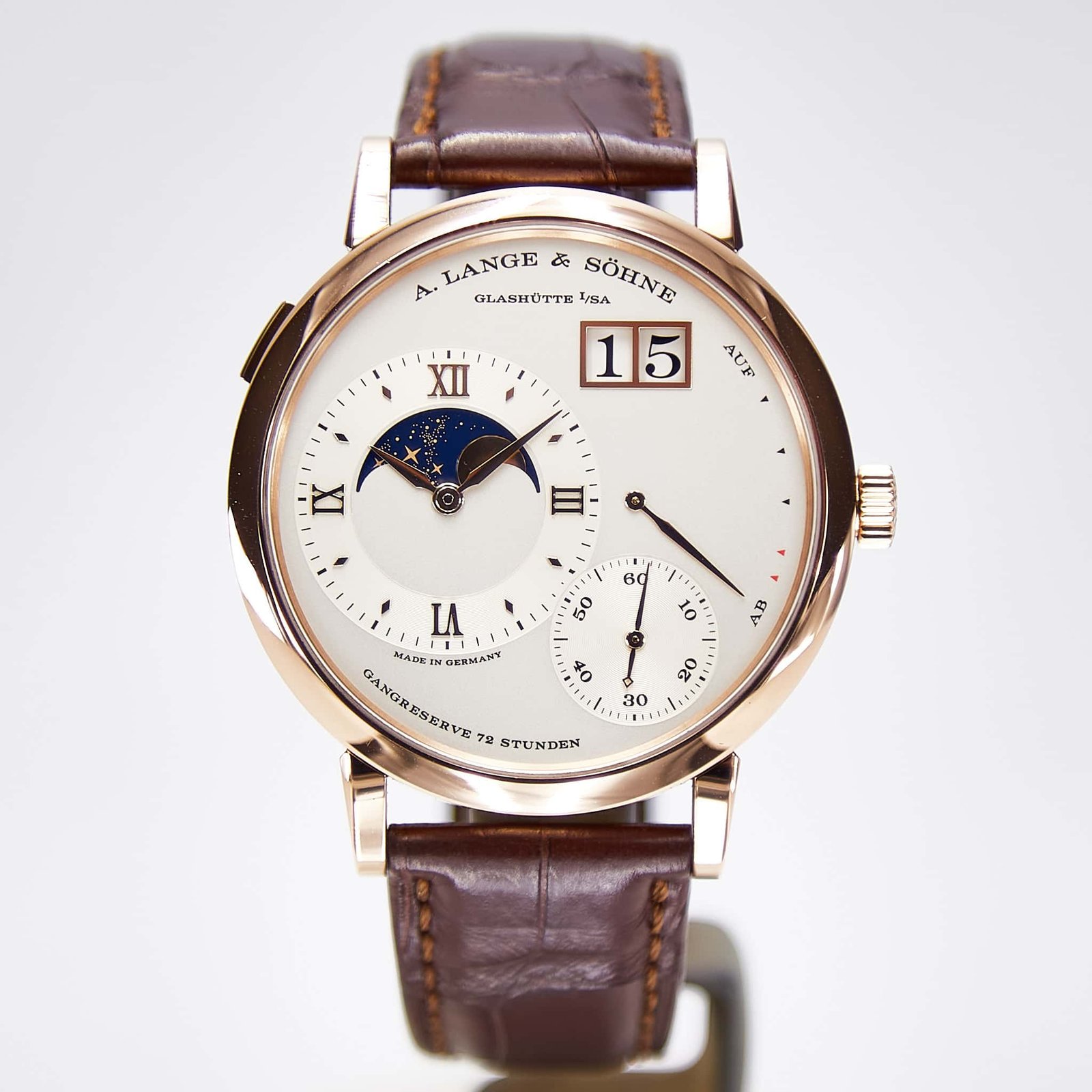 A. Lange & Söhne A. Lange & Söhne Grand Lange 1 Moon Phase (139.032)
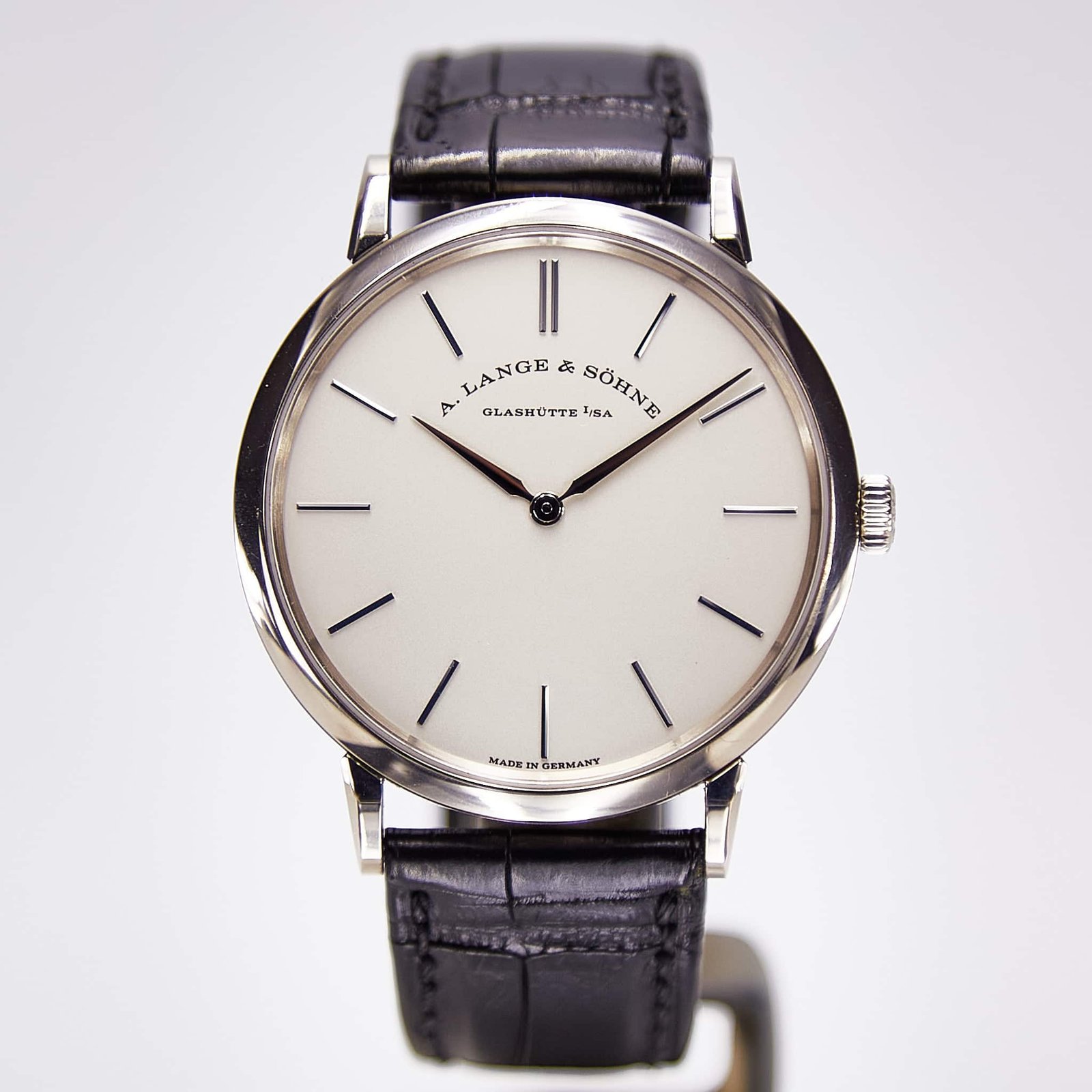 A. Lange & Söhne A. Lange & Söhne Saxonia Thin (201.027)
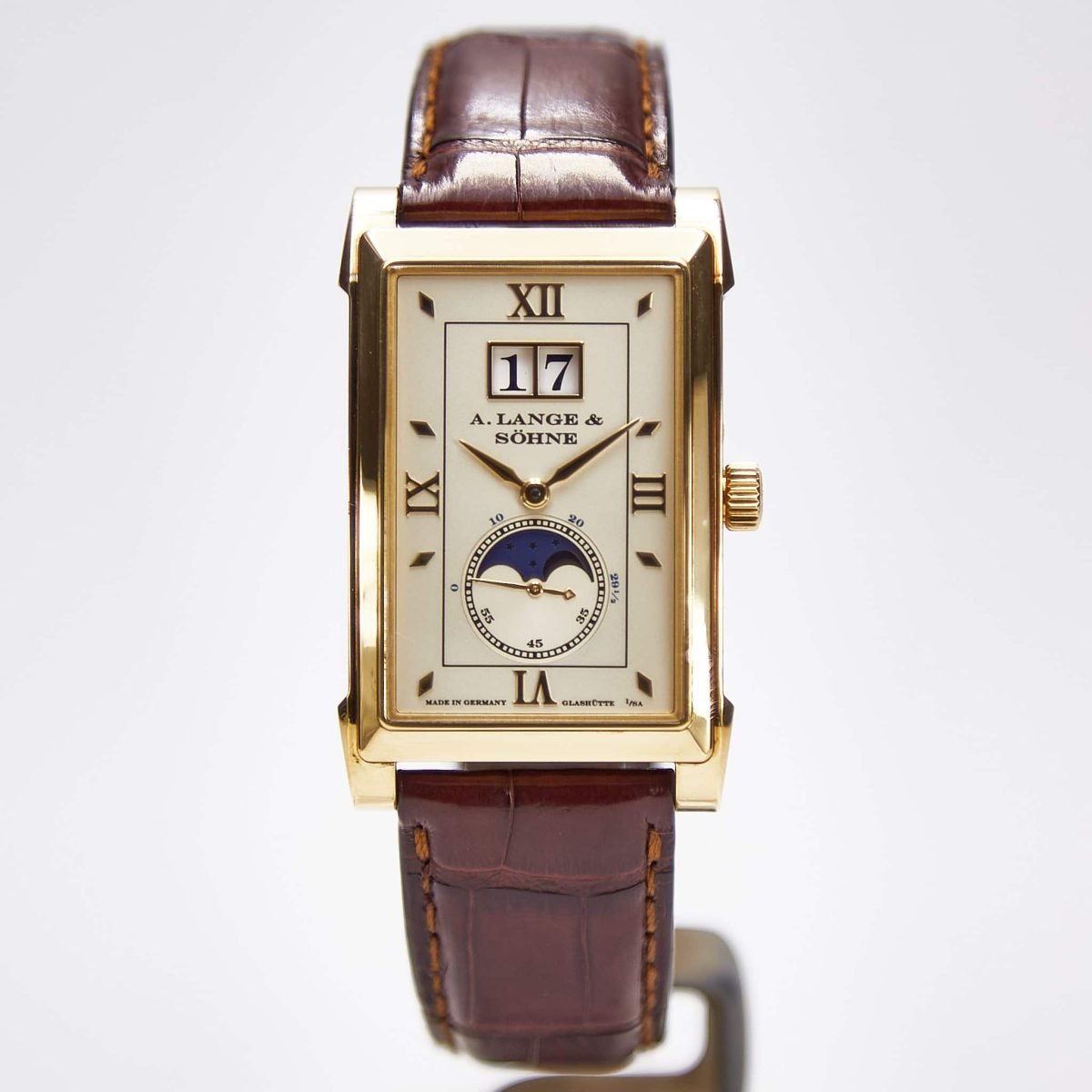 A. Lange & Söhne A. Lange & Sӧhne Cabaret Moon Phase (118.021)
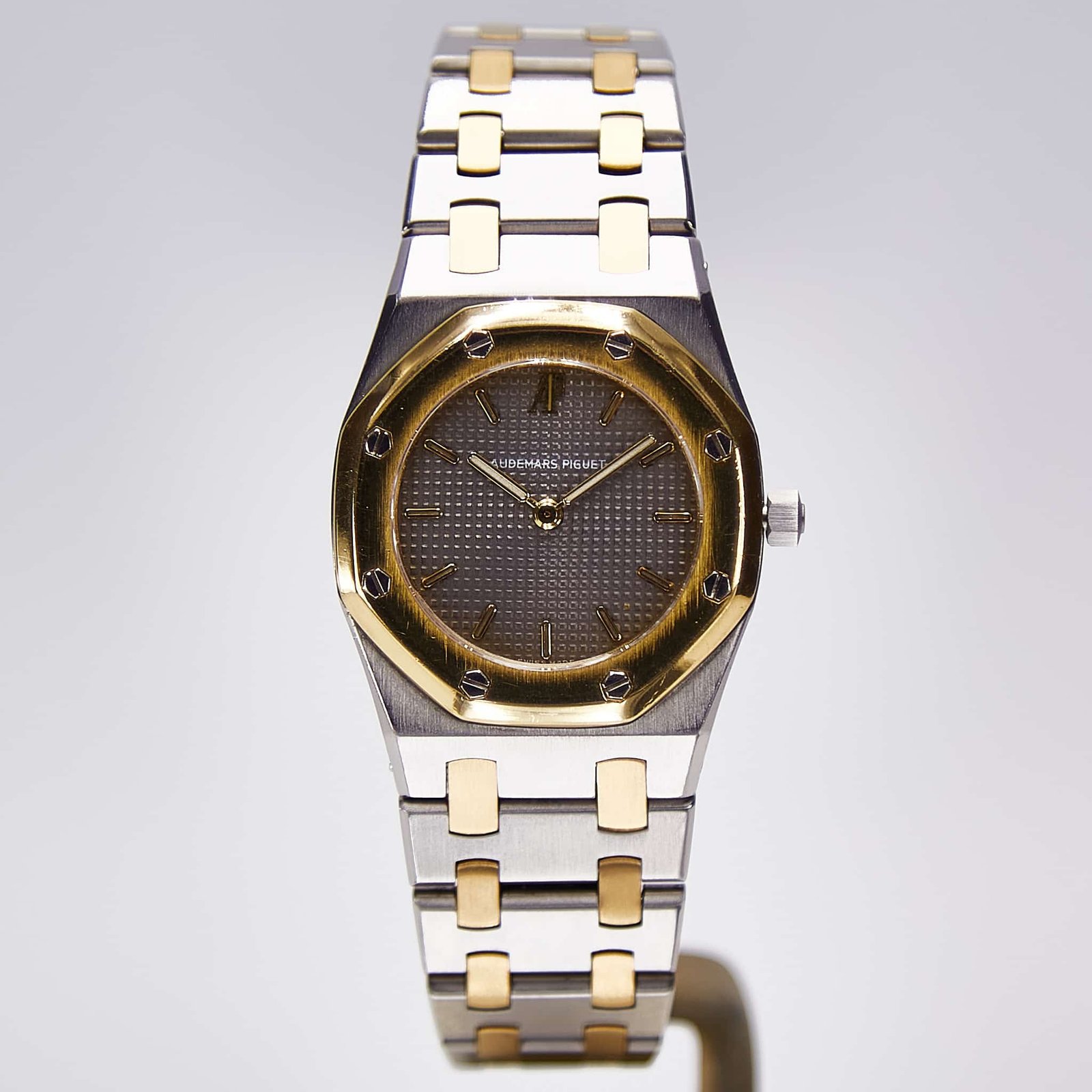 Audemars Piguet Audemars Piguet Royal Oak (6007SA)
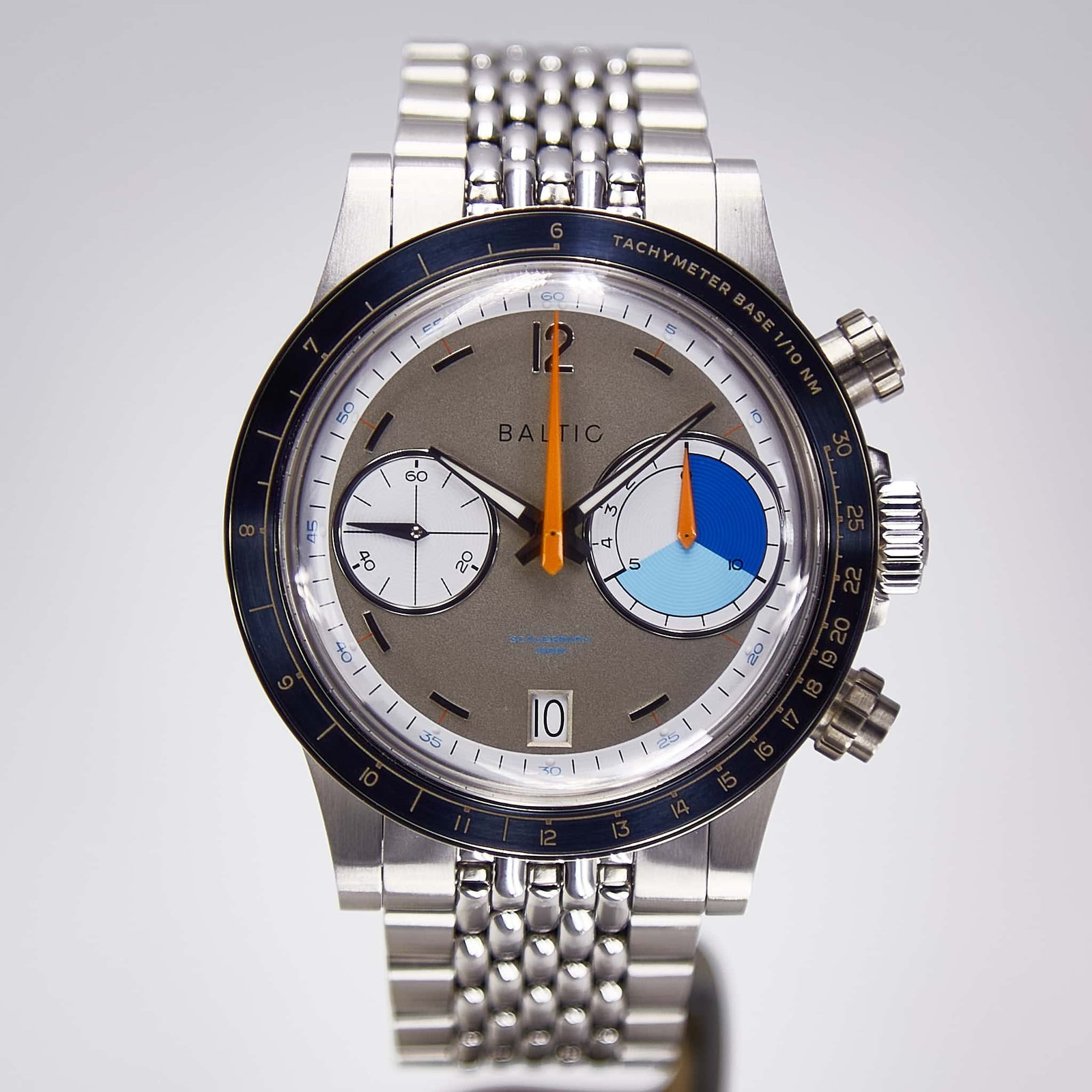 Baltic Baltic Scalegraph Transat Café L’Or
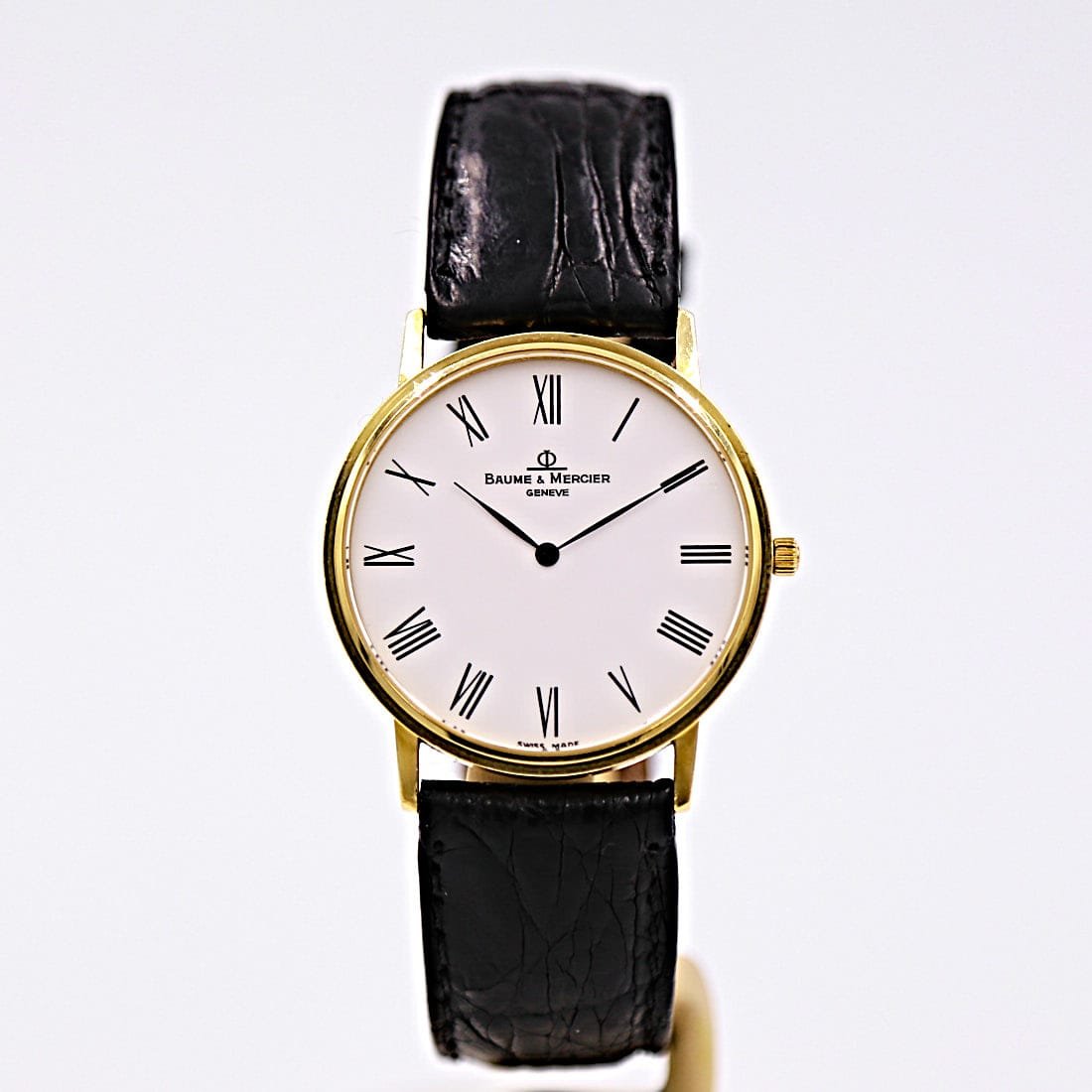 Baume & Mercier Baume & Mercier Classima Ultra Thin (MV04058)
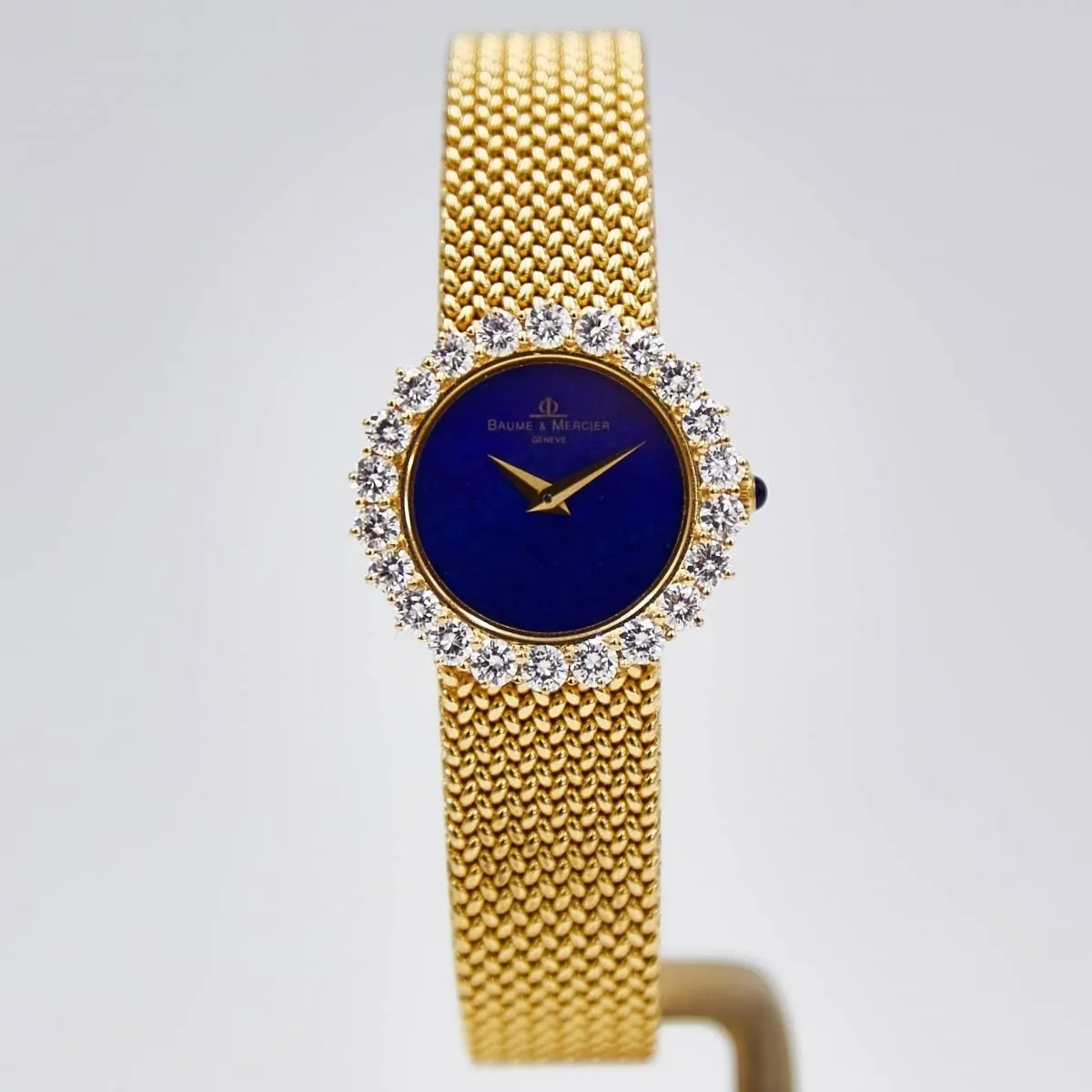 Baume & Mercier Baume & Mercier Lady Dress Watch (16634)
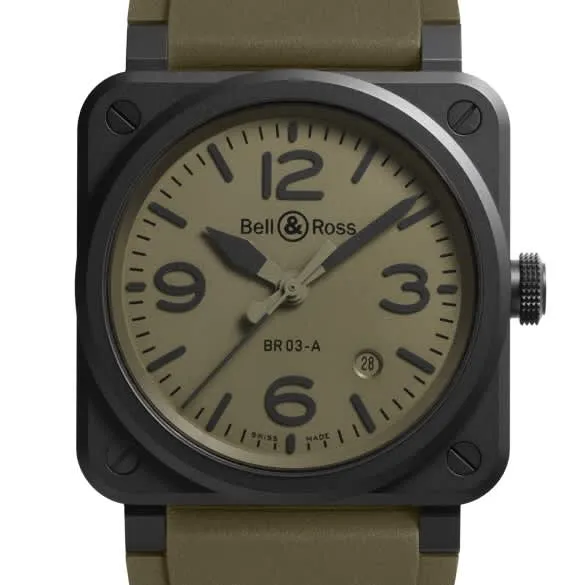 Bell & Ross Bell & Ross BR 03 Military Ceramic (BR03A-MIL-CE/SRB)
What sapphire crystal actually is
Watch sapphire is not mined. It is synthetic corundum — aluminium oxide grown in a furnace, usually by the Verneuil or Kyropoulos process, into a boule that is then sliced, ground and polished into a crystal. Chemically it is identical to natural sapphire, and it sits at 9 on the Mohs hardness scale. Steel is around 4.5. Sand, which is what actually scratches most watch glass, is around 7. That gap is why a sapphire crystal survives what mineral glass does not.
The trade-offs are real but manageable. Sapphire is hard, which also means brittle — it resists scratching magnificently and shatters under sharp point impact more readily than acrylic, which simply deforms. It is also expensive to machine, especially in domed or box profiles, which is why domed sapphire is a mark of a more considered watch. And untreated sapphire reflects noticeably more light than mineral glass, which is why anti-reflective coating matters so much.
Anti-reflective treatment is applied by vapour deposition to one or both surfaces. Internal-only coating is more durable because the coating is protected from abrasion; double-sided coating gives the near-invisible dial clarity that photographs so well but can scuff over years. Sapphire also enables the display case backs found on many mechanical and skeleton watches.
Sapphire in practice
What to expect from the material day to day.
It will not scratch in normal life
Desks, doorframes, keys and sand all fall below sapphire’s hardness. Only diamond, some ceramics and abrasive grinding media will mark it.
Protect it from sharp impact
Hardness and toughness are different properties. A hard knock on a stone corner can chip or crack sapphire where acrylic would bounce.
Coating affects the look
Heavily anti-reflective sapphire can look as though there is no crystal at all, sometimes with a faint blue or purple cast at an angle. This is normal and desirable.
Replacement is straightforward
A damaged sapphire crystal is replaceable by any competent watchmaker, and on most references the part remains available for decades.
Crystal terminology
The three materials you will encounter, and the profiles they come in.
- Sapphire
- Synthetic corundum, Mohs 9. The standard for luxury watches and the material used throughout this selection where stated.
- Mineral glass
- Hardened glass, Mohs 5–6. Cheaper, more shatter-resistant, and it scratches from ordinary contact.
- Acrylic / hesalite
- Plastic, Mohs 3. Scratches easily but polishes out with a household compound, and it will not shatter — still used on some heritage references.
- Domed profile
- A curved crystal that adds vintage warmth and distortion at the edges. Expensive to grind in sapphire.
- Anti-reflective coating
- Vapour-deposited film reducing glare. Internal-only lasts longer; double-sided looks clearer.
Crystals checked before listing
Inspected under raking light
Chips, hairlines and coating wear are only visible at an angle. That is how we check every crystal.
Damage disclosed
If a crystal is marked, the listing says so and the photographs show it.
Replacement advice
We will tell you what a crystal replacement costs on your reference if you ever need one.
Two-year warranty
On the mechanical function, alongside our full authentication.
Sapphire Crystal Watches — frequently asked questions
Can sapphire crystal scratch?
Only from materials harder than 9 on the Mohs scale — essentially diamond and certain industrial abrasives. Ordinary daily contact will not mark it.
Is sapphire better than mineral glass?
For scratch resistance, by a very wide margin. Mineral glass is marginally more resistant to shattering, which is its only advantage.
Why does my crystal have a blue tint at an angle?
That is the anti-reflective coating. It is a sign of treatment, not a defect.
Can a cracked sapphire crystal be repaired?
It cannot be repaired, but it is replaceable. Any competent watchmaker can fit a new crystal and reseal the case.
Do all your watches have sapphire crystals?
Many do, and the listing states the crystal where the specification is available. Where we cannot verify it, we do not claim it.
Does sapphire make a watch heavier?
Marginally, as it is denser than glass or acrylic, but the difference is imperceptible on the wrist.
Related collections
- Skeleton Watches — Sapphire dials and display backs.
- Dive Watches — Where scratch resistance is tested hardest.
- Premium Wrist Watches — Component quality as a definition of premium.
- Stainless Steel Watches — The case material sapphire usually pairs with.
- Automatic Watches — Movements often viewed through sapphire backs.
Browse Our Watch Collection · Speak to a specialist
Popular searches
- Luxury Watches For Sale
- Luxury Watches Online
- Men's Luxury Watches
- Women's Luxury Watches
- Automatic Watches
- Mechanical Watches
- Chronograph Watches
- Skeleton Watches
- Dress Watches
- Sports Watches
- Dive Watches
- Gold Watches
- Rose Gold Watches
- Stainless Steel Watches
- Sapphire Crystal Watches
- Premium Wrist Watches
- Affordable Luxury Watches
- Luxury Watches Under $500
- Luxury Watches Under $1,000
- Luxury Watches For Gifts