Premium Wrist Watches
Premium is a word with no legal meaning. Here is what it should mean — component by component — and how to tell whether a watch has earned it.
Premium Wrist Watches available now
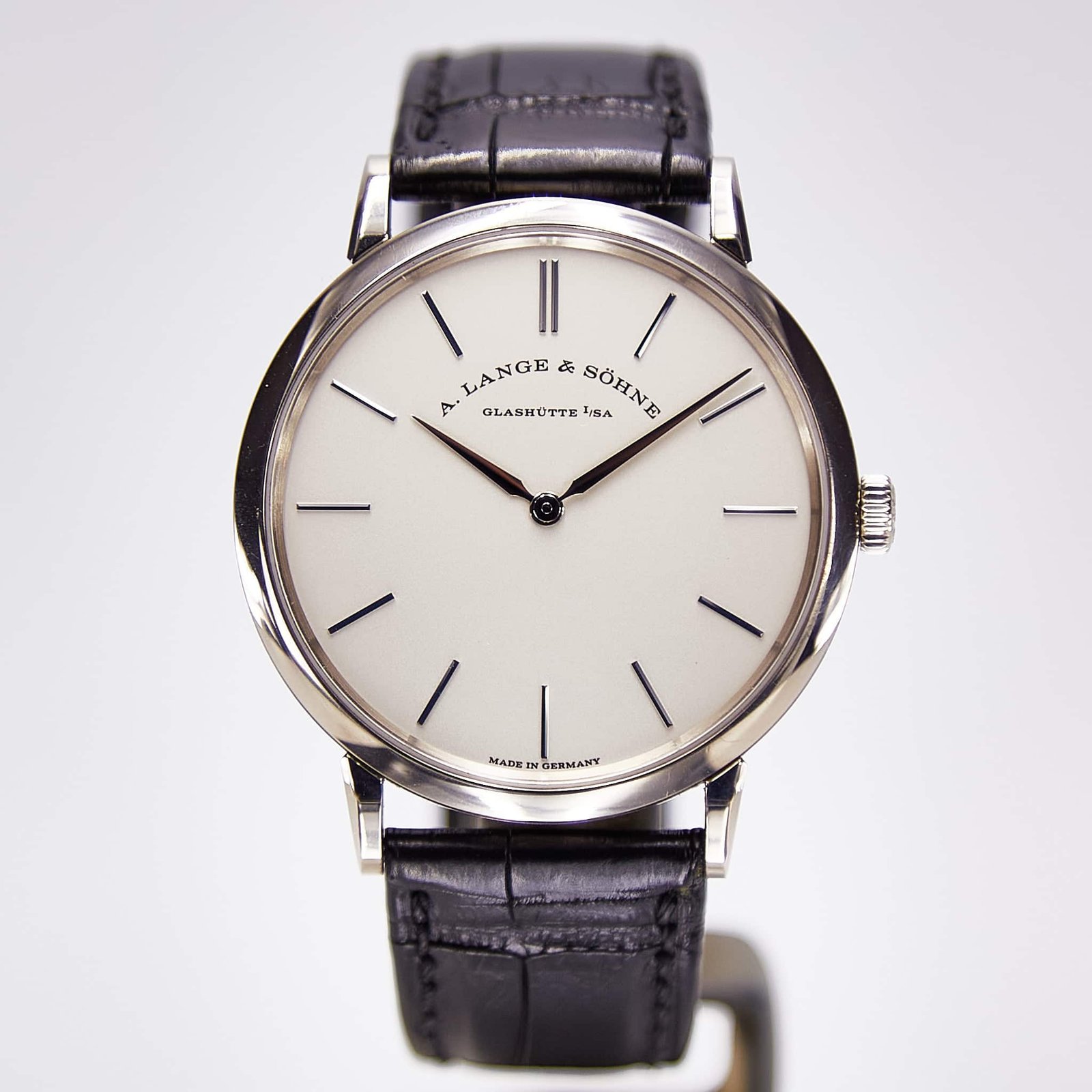 A. Lange & Söhne A. Lange & Söhne Saxonia Thin (201.027)
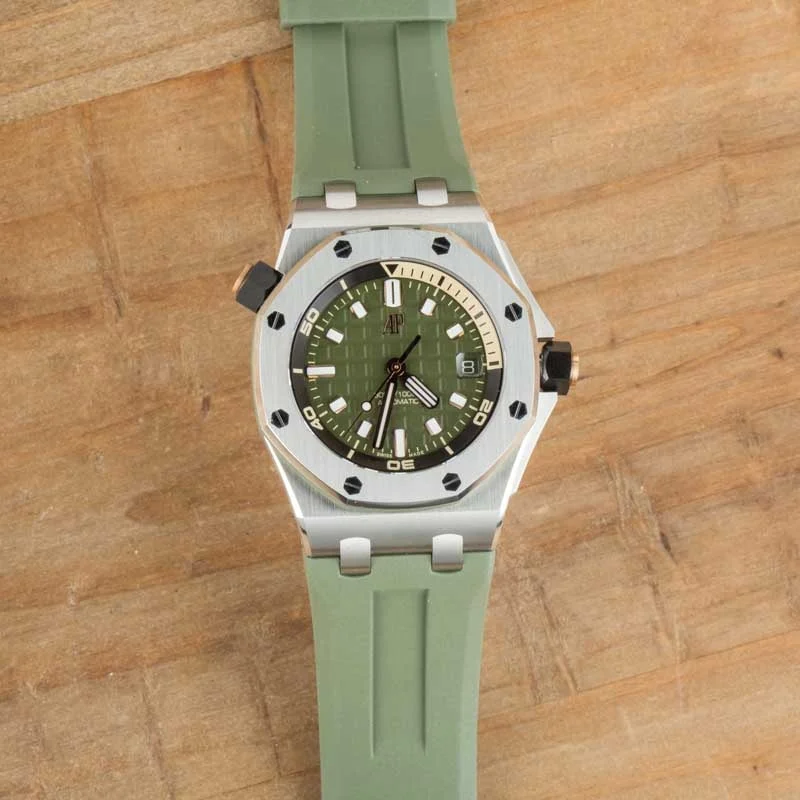 Audemars Piguet Audemars Piguet Royal Oak Offshore Diver Khaki Green
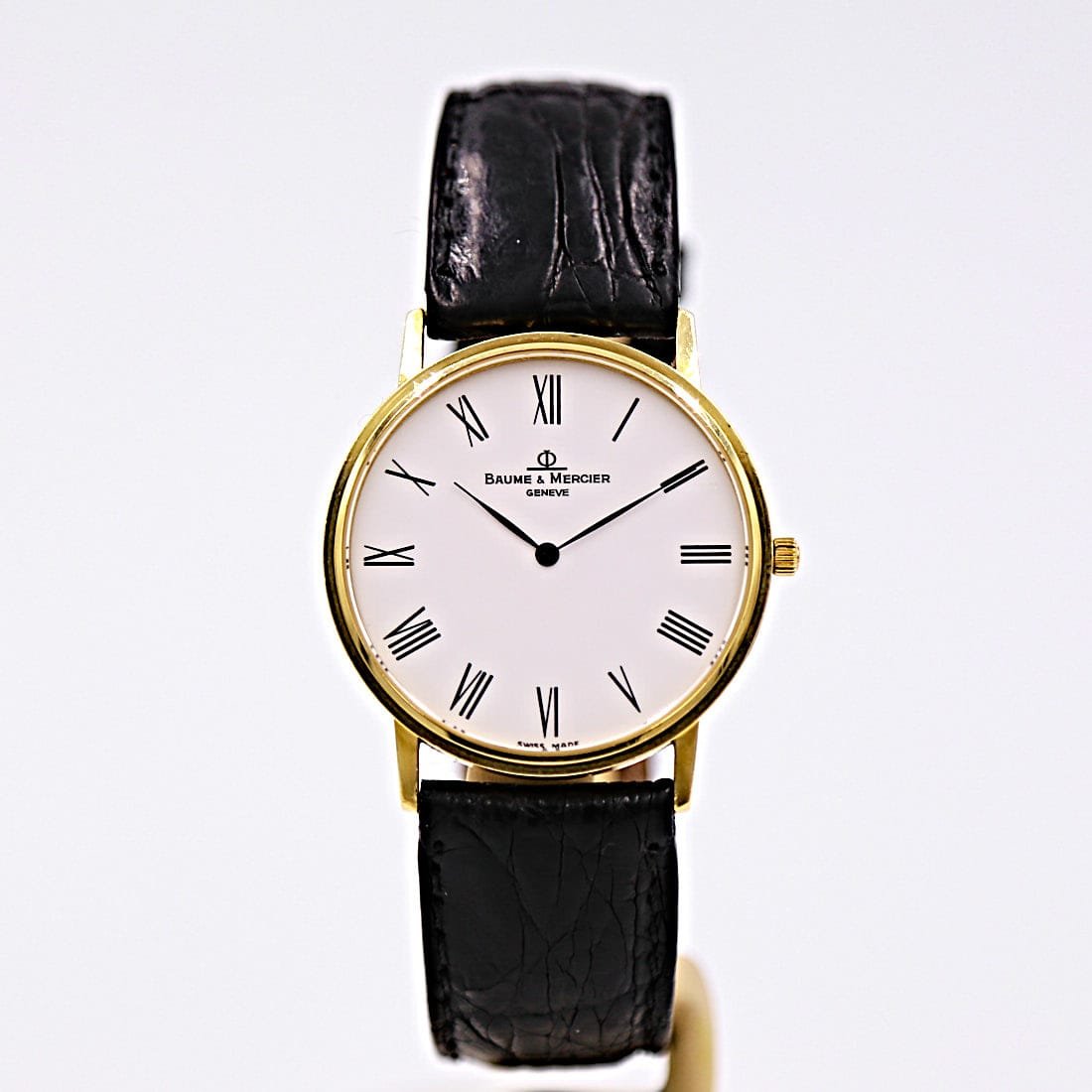 Baume & Mercier Baume & Mercier Classima Ultra Thin (MV04058)
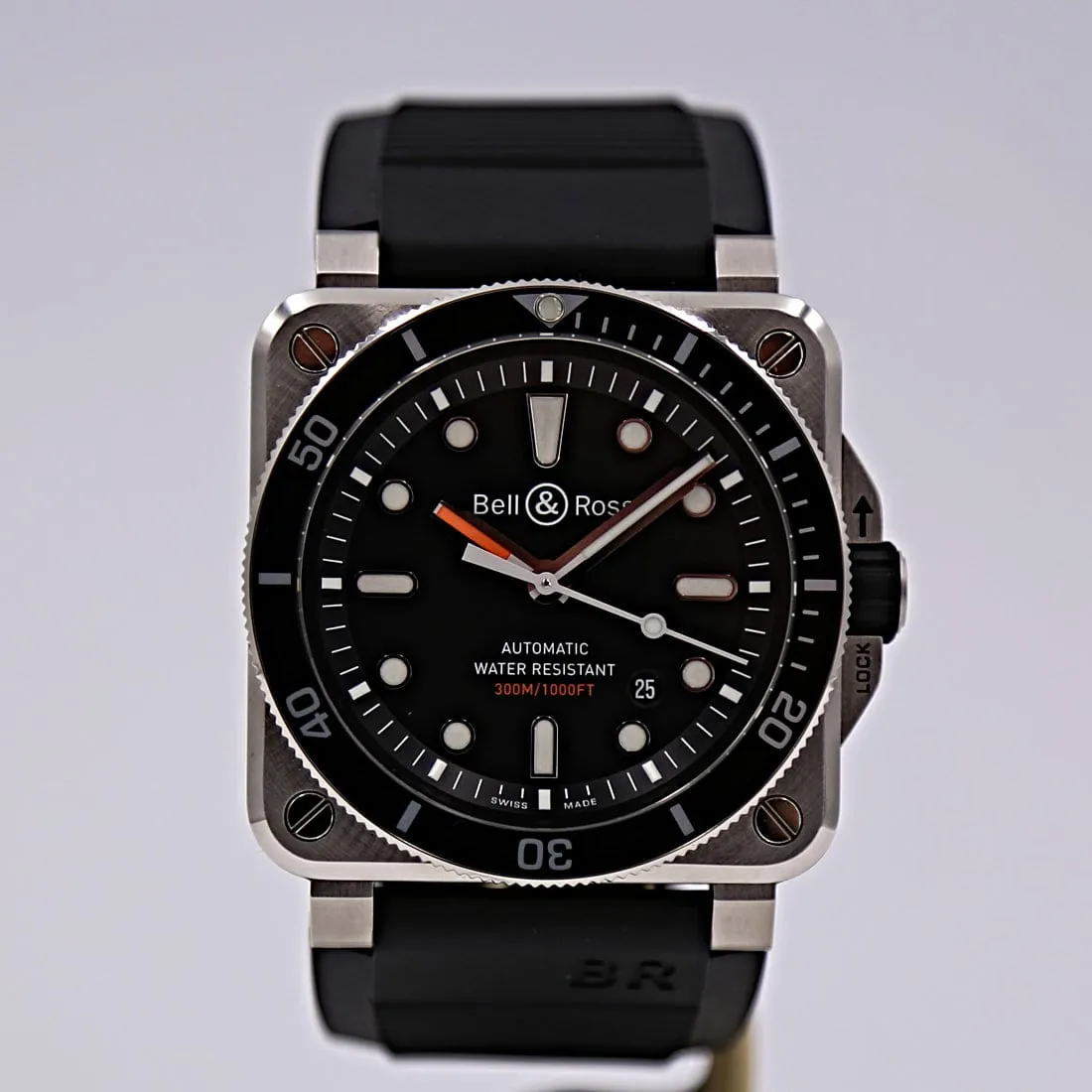 Bell & Ross Bell & Ross BR 03-92 Diver (BR0392-D-BL-ST/SRB)
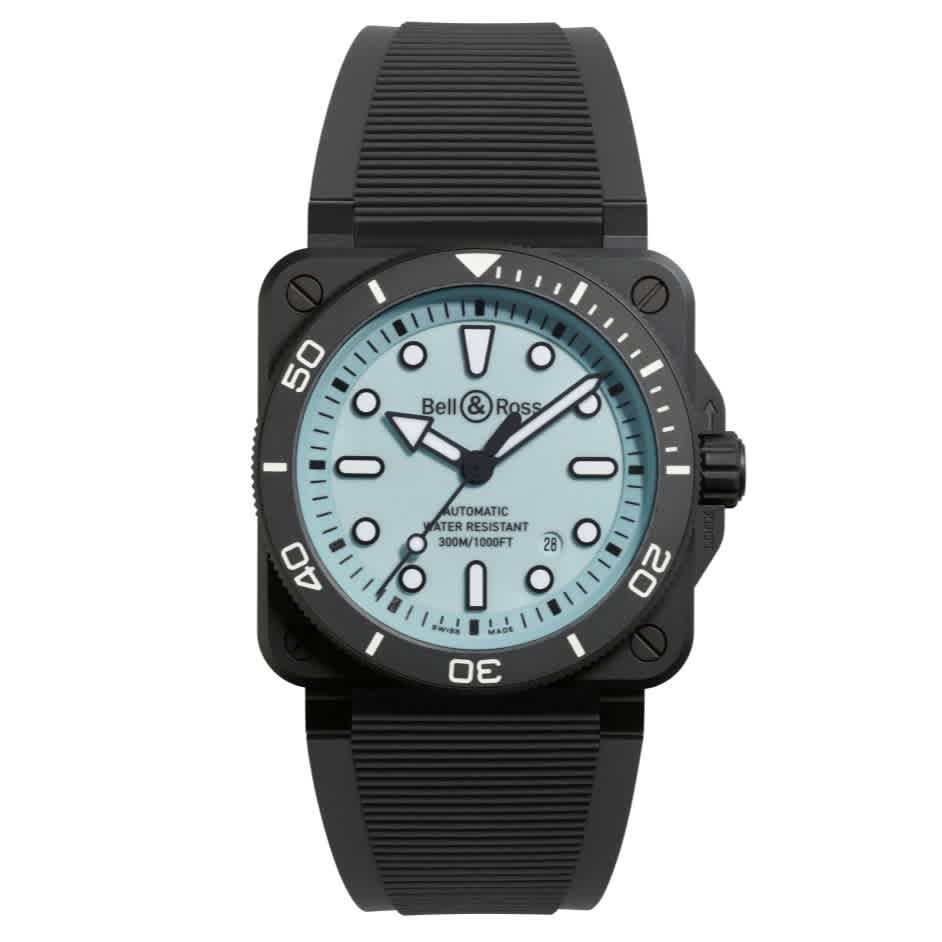 Bell & Ross Bell & Ross BR-03 Diver Full Lum Ceramic (BR03A-D-LM-CE/SRB)
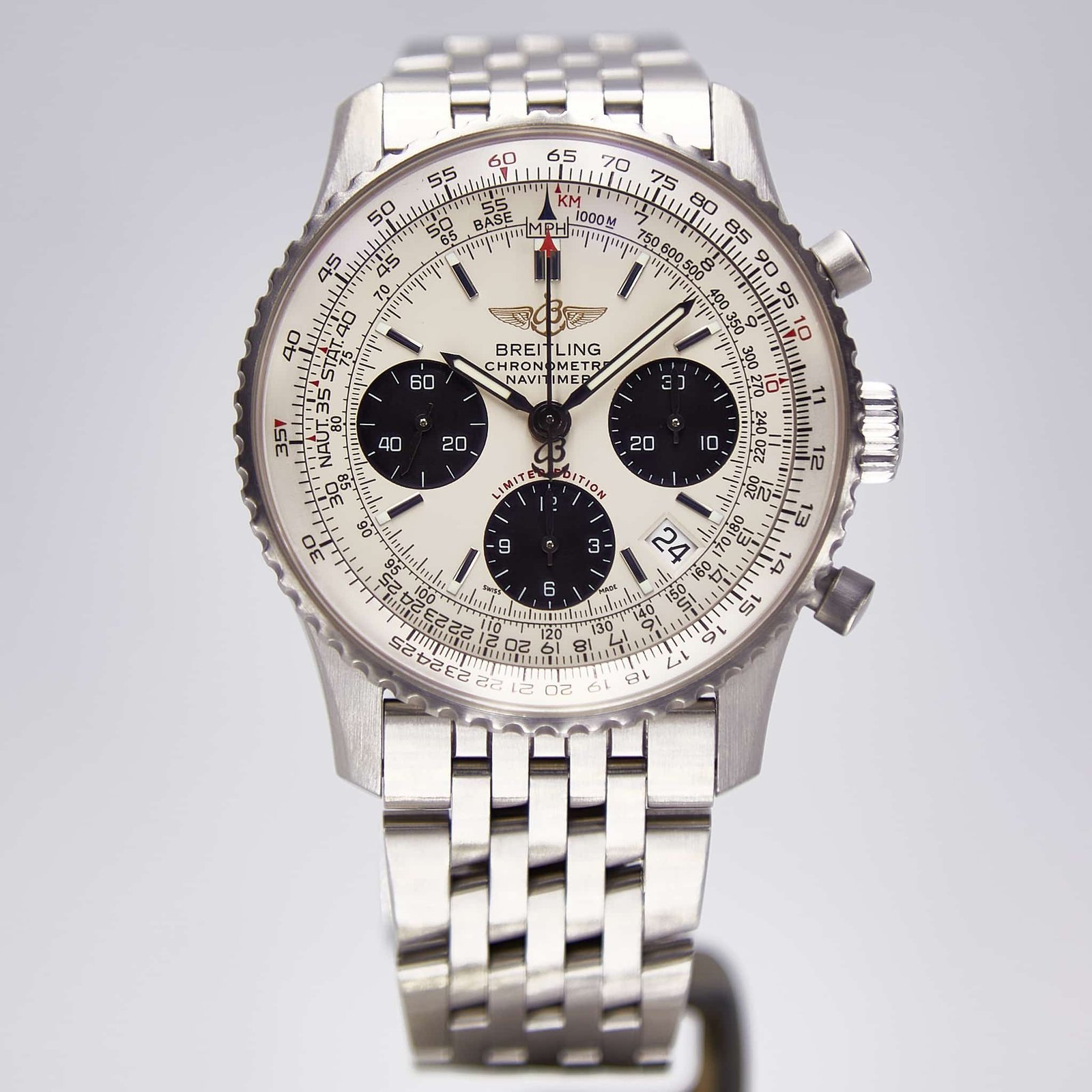 Breitling Breitling Navitimer Limited Edition
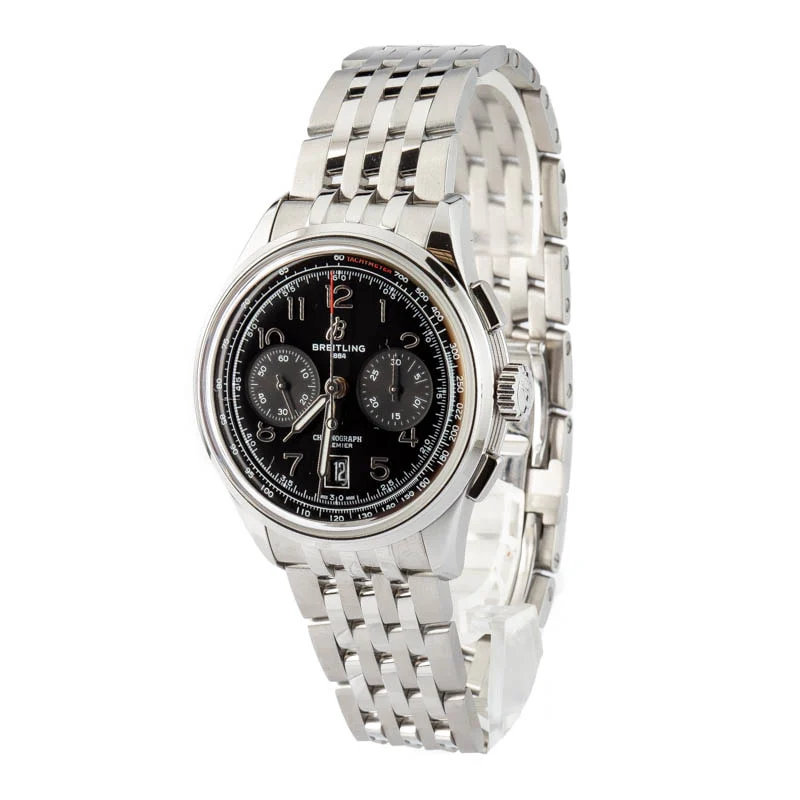 Breitling Breitling Premier Chronograph Stainless Steel
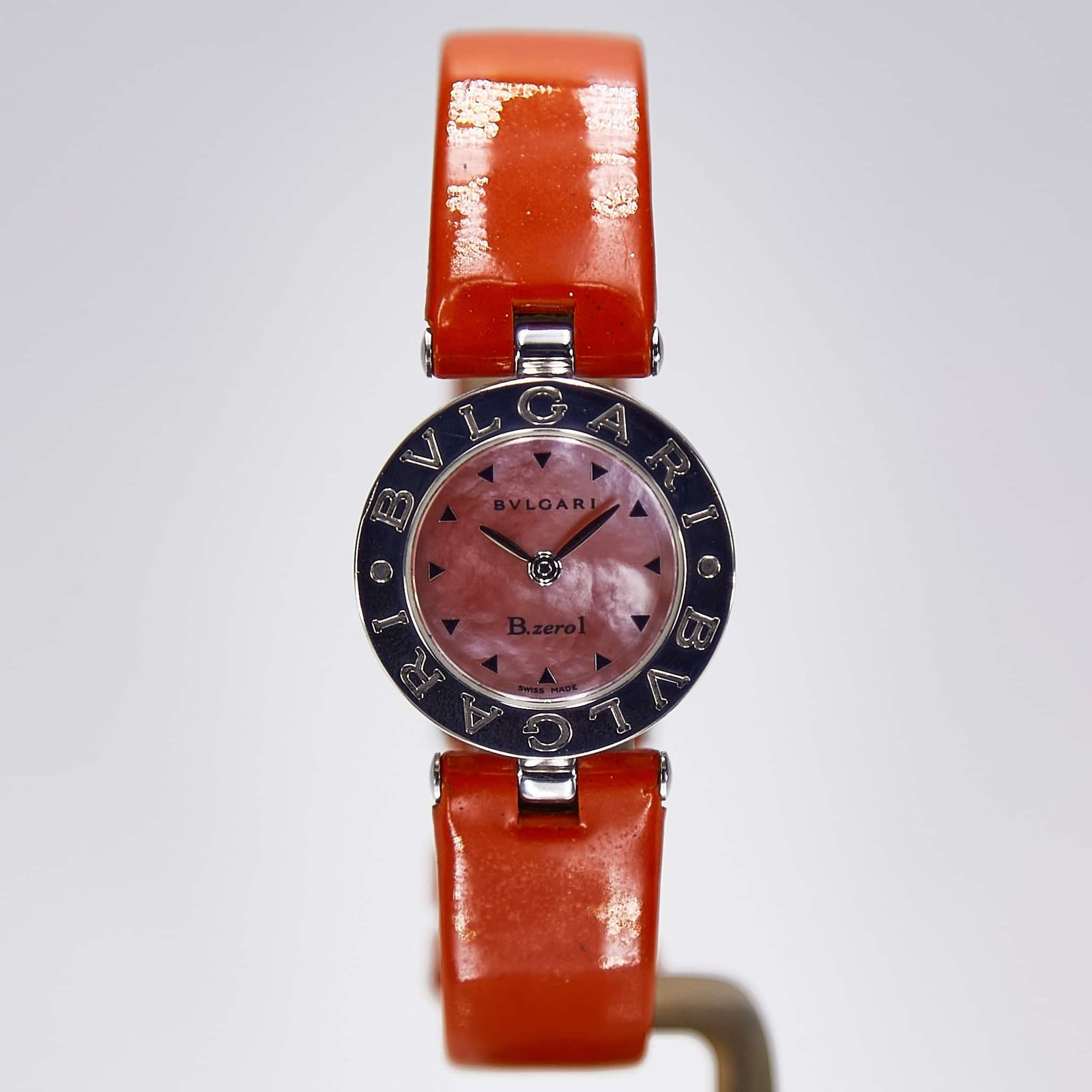 Bulgari Bulgari B.Zero1 (BZ22S)
The four places quality is built in
Almost the entire cost difference between an ordinary watch and a premium one lives in four places: the movement, the case finishing, the dial, and the bracelet or strap. Everything else — packaging, advertising, the boutique experience — is real expenditure but not something you wear. If you learn to assess these four, you can judge value at any price point, and you will stop paying for things that do not exist in the object.
The movement is the largest single factor. An in-house or heavily modified calibre with hand-finished bridges, a free-sprung balance and a long power reserve represents thousands of hours of engineering. A reliable, mass-produced calibre in a well-made case is not inferior in function and can be far better value — but the price should reflect the difference, and honest sellers say which they are selling.
Case finishing is the second. Sharp, unrounded transitions between brushed and polished surfaces are difficult to hold in production and impossible to fake in photographs taken at an angle. The dial is third: applied indices, properly filled luminous material and dial printing that stays crisp under a loupe. Fourth is the bracelet — solid end links, screwed rather than pinned links, a machined clasp with micro-adjustment. These are the same criteria we apply across automatic, dress and sports categories alike.
How to evaluate a premium watch yourself
Four checks that take under a minute each.
Tilt the case under a light
Watch the line where brushed meets polished. Crisp and straight is expensive; soft and rounded is not.
Look at the dial with a loupe
Printed text should be sharp-edged, not fuzzy. Applied indices should be securely seated with no adhesive visible at the base.
Flex the bracelet
Solid links with screwed connections feel dense and articulate smoothly. Hollow, pinned bracelets rattle and stretch within a few years.
Ask what the movement is
Any serious seller can name the calibre. If the answer is vague, the watch is not what its price suggests.
What we verify before calling something premium
The inspection our specialists run on every piece.
- Movement performance
- Rate, amplitude and beat error measured on a timing machine in multiple positions.
- Case integrity
- Evidence of over-polishing, replaced parts or non-original components — disclosed where found.
- Dial and hands
- Originality, lume condition and any refinishing, examined under magnification.
- Bracelet and clasp
- Stretch, link security and clasp function, reported in the condition grade.
- Crystal and seals
- Sapphire condition, coating wear and gasket state.
How we protect the buyer
No inflated language
We describe what a watch is. If a case is gold-tone rather than solid gold, the listing says gold-tone.
Individual photography
Every image shows the actual piece, including its flaws.
Two-year warranty and 30-day returns
The commercial expression of the same principle.
Specialists you can reach
Call +1 (315) 413-9130 and speak to the people who inspected the watch.
Premium Wrist Watches — frequently asked questions
What makes a wrist watch premium?
Movement quality, case finishing, dial execution and bracelet construction. Those four account for nearly all the genuine cost difference between watches.
Is an in-house movement always better?
Not always. A well-executed third-party calibre in a superbly finished case often outperforms a mediocre in-house movement — and is easier to service.
How can I tell a case is well finished?
Tilt it under light and look at the boundary between brushed and polished surfaces. Sharp, straight transitions indicate careful machining and hand work.
Do premium watches need more maintenance?
No more than any mechanical watch — a service every five to seven years. Better construction usually means longer service intervals in practice.
Is a higher price always a better watch?
No. Some of the price reflects brand positioning rather than the object. Judge the four components and you will spot the difference.
Do you sell premium watches at accessible prices?
Yes — see affordable luxury watches, where the emphasis is on build quality rather than badge.
Related collections
- Luxury Watches For Sale — The complete collection.
- Mechanical Watches — Movement quality in detail.
- Sapphire Crystal Watches — Component-level quality markers.
- Affordable Luxury Watches — Premium construction, accessible pricing.
- Luxury Watches Online — How to verify quality remotely.
Shop All Watches · Speak to a specialist
Popular searches
- Luxury Watches For Sale
- Luxury Watches Online
- Men's Luxury Watches
- Women's Luxury Watches
- Automatic Watches
- Mechanical Watches
- Chronograph Watches
- Skeleton Watches
- Dress Watches
- Sports Watches
- Dive Watches
- Gold Watches
- Rose Gold Watches
- Stainless Steel Watches
- Sapphire Crystal Watches
- Premium Wrist Watches
- Affordable Luxury Watches
- Luxury Watches Under $500
- Luxury Watches Under $1,000
- Luxury Watches For Gifts