Mechanical Watches
Two hundred and fifty years of engineering with no electronics anywhere. A mechanical watch is a machine you can service forever — and the reason serious collecting exists.
Mechanical Watches available now
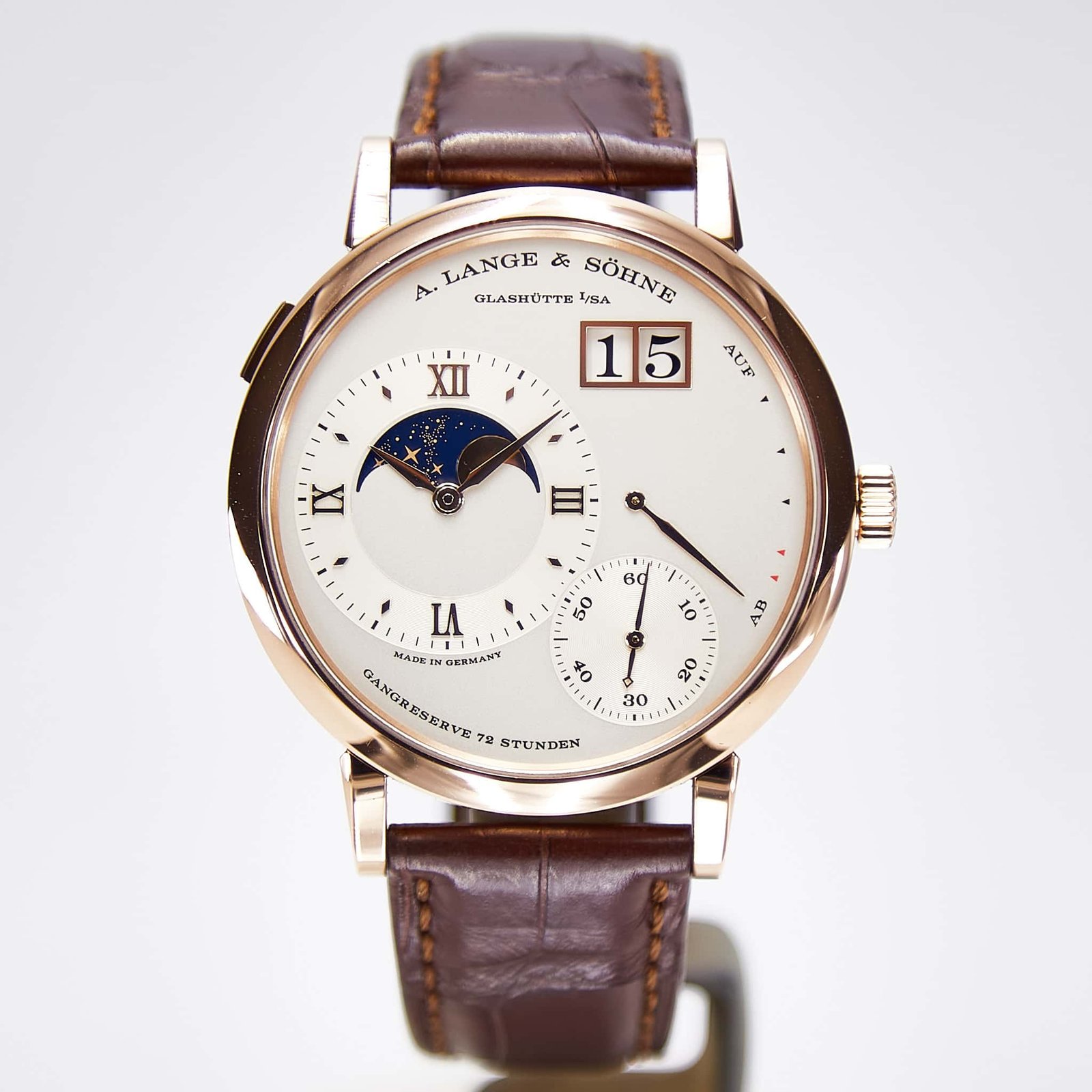 A. Lange & Söhne A. Lange & Söhne Grand Lange 1 Moon Phase (139.032)
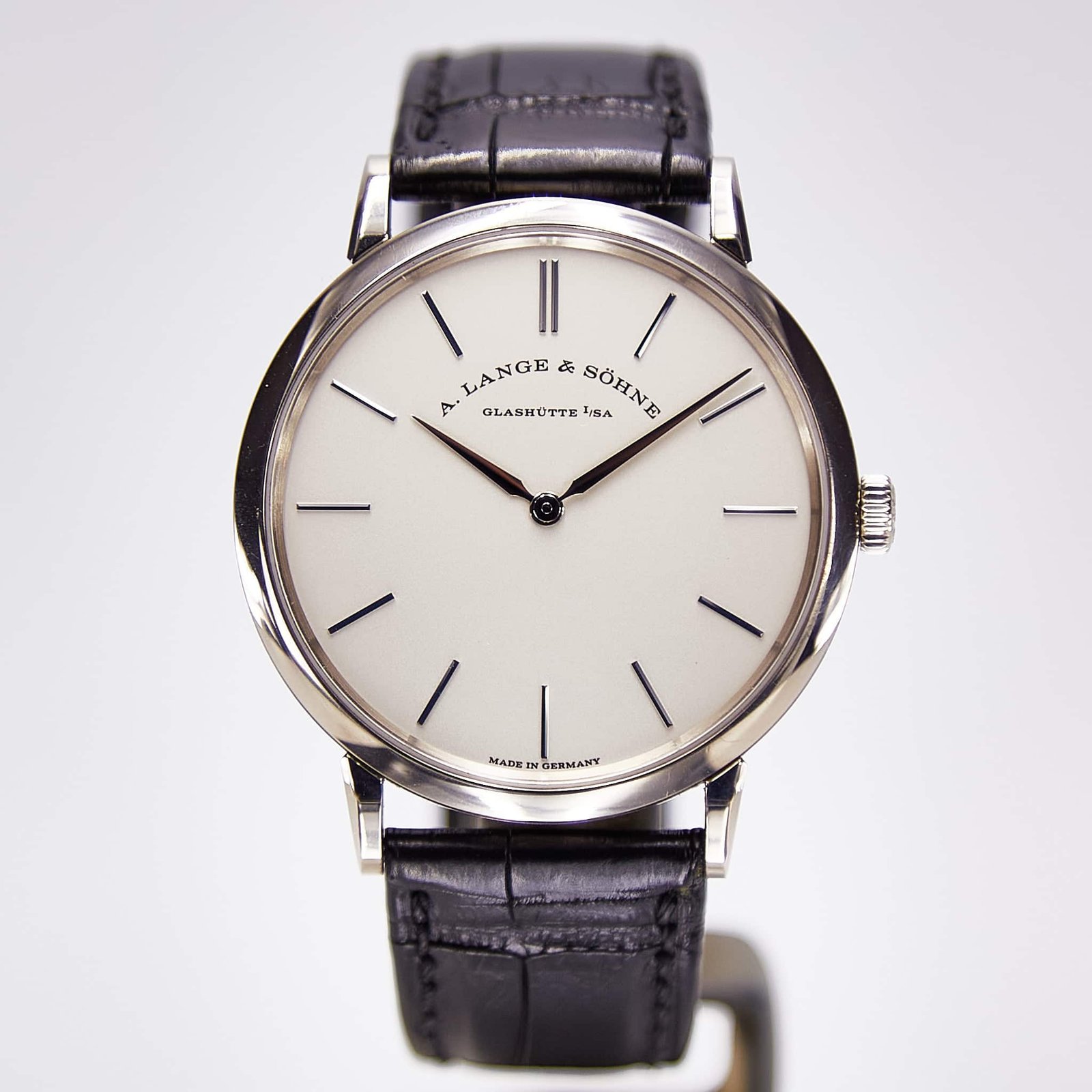 A. Lange & Söhne A. Lange & Söhne Saxonia Thin (201.027)
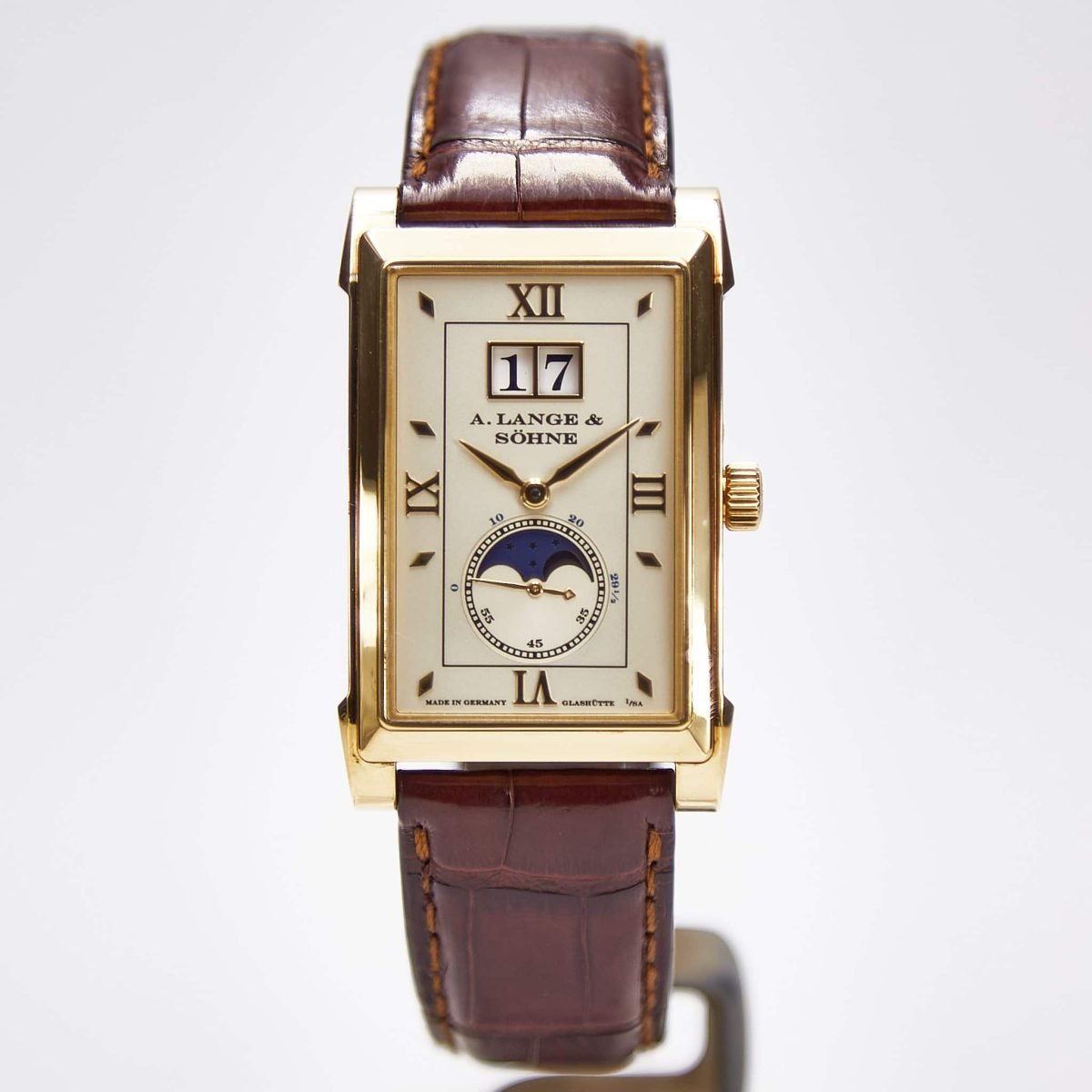 A. Lange & Söhne A. Lange & Sӧhne Cabaret Moon Phase (118.021)
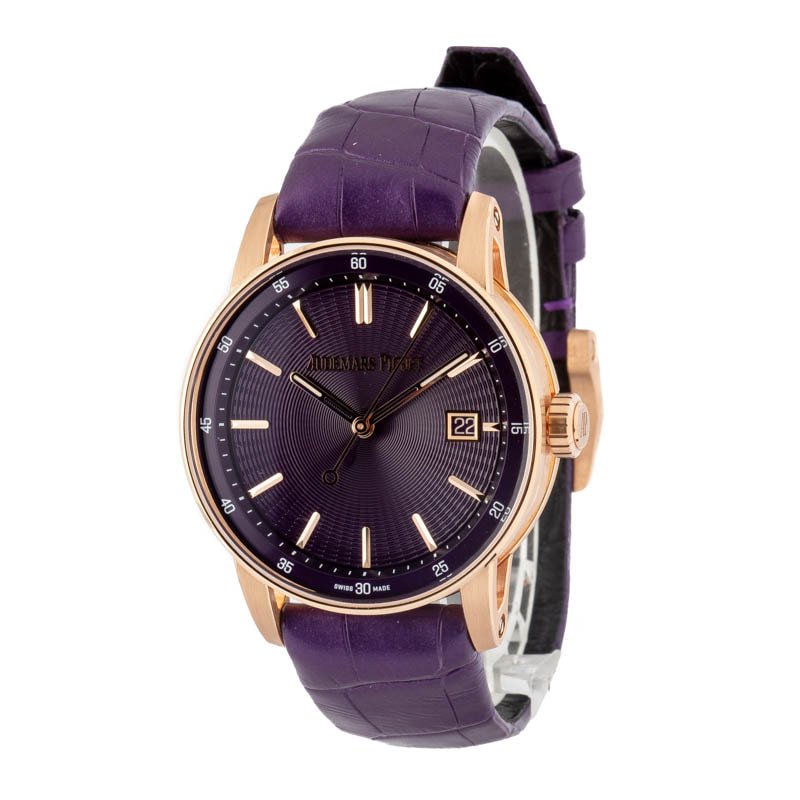 Audemars Piguet Audemars Piguet Code 11:59 Purple Dial
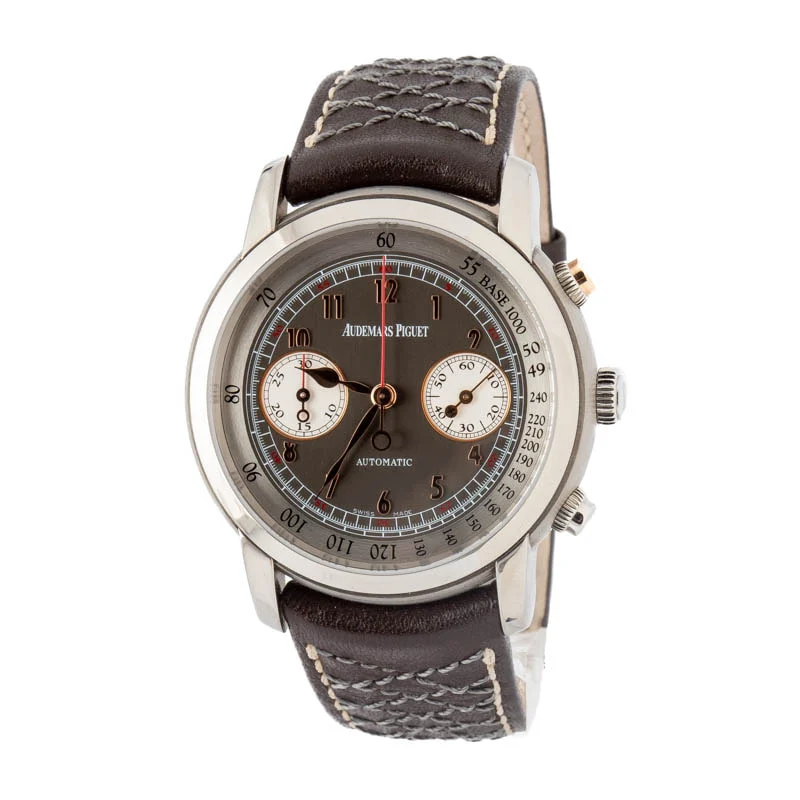 Audemars Piguet Audemars Piguet Jules Audemars Gstaad Titanium
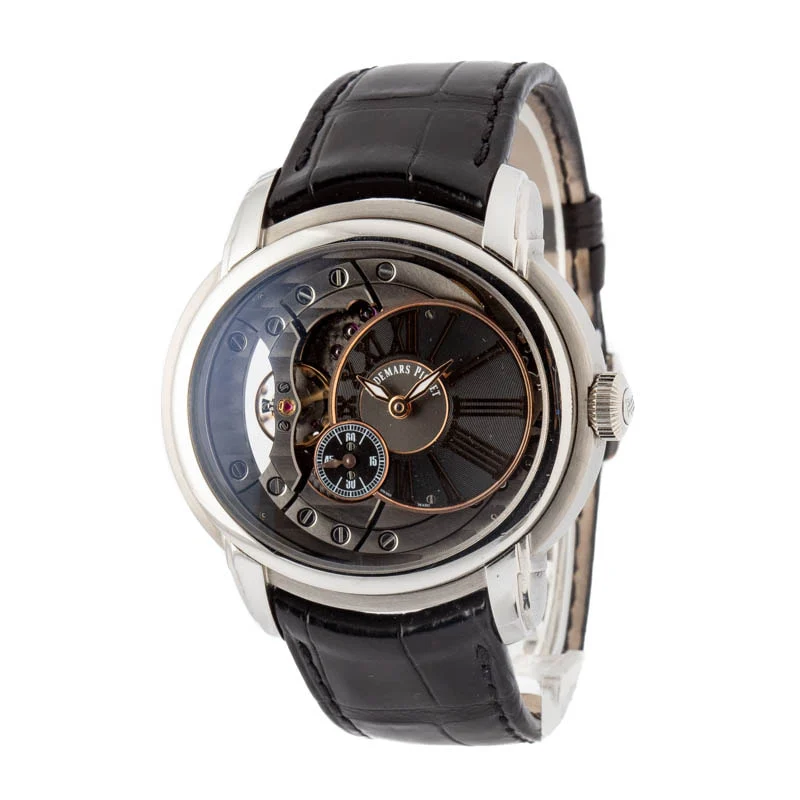 Audemars Piguet Audemars Piguet Millenary 4101 Skeleton Dial
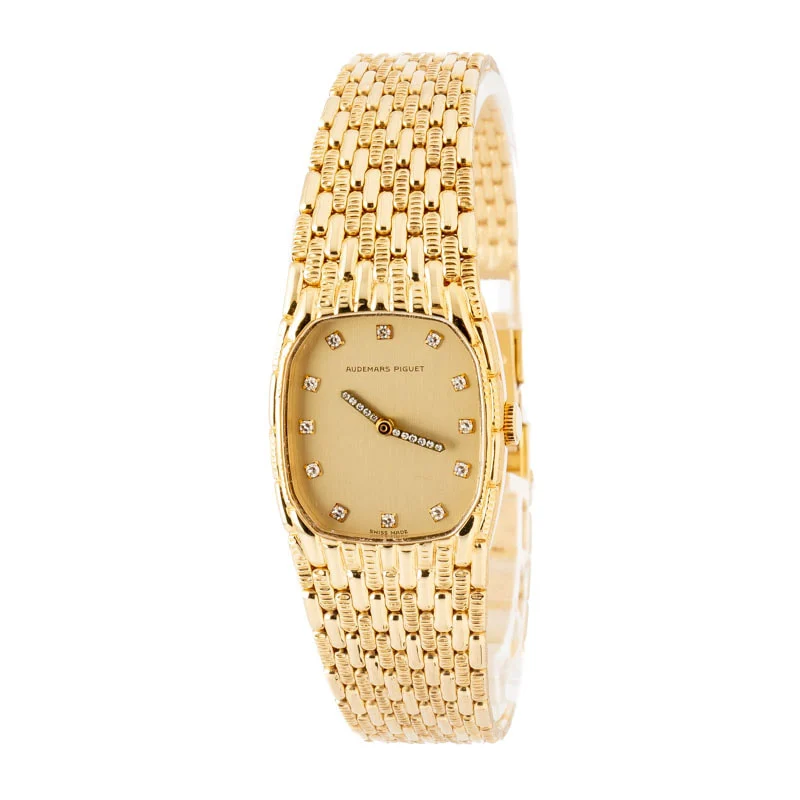 Audemars Piguet Audemars Piguet Mini Cobra 18k Yellow Gold Diamond Dial
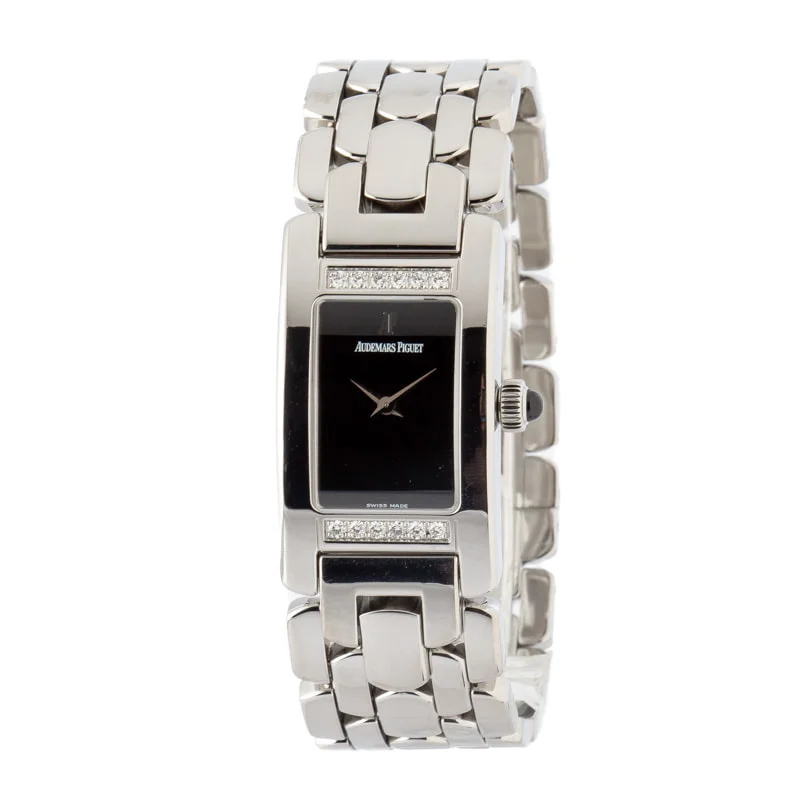 Audemars Piguet Audemars Piguet Promesse Black Dial
The mechanical family, defined
Mechanical is the umbrella term for any watch powered by a wound mainspring rather than a battery. It splits into two branches. Hand-wound (manual) movements require you to turn the crown, usually daily, and are typically thinner because there is no rotor taking up space. Automatic movements add that rotor and wind themselves from wrist motion. Both use the same fundamental architecture: mainspring, gear train, escapement, balance wheel.
The balance wheel is where the accuracy lives. It oscillates back and forth at a fixed frequency, regulated by a hairspring finer than a human hair, and the escapement releases the gear train one small increment per oscillation. Everything you hear when you hold a mechanical watch to your ear is that release happening several times a second. Adjusting the effective length of the hairspring is how a watchmaker regulates the rate — a process done by hand, under magnification.
Choosing mechanical is choosing engagement over convenience. You accept a few seconds of daily deviation and a service every five to seven years, and in return you get an object with no obsolescence path, no dead battery, and a repair route that will still exist in fifty years. Whether you go hand-wound for slimness or automatic for convenience is largely a question of habit — see the dress watches for the thinnest cases.
Hand-wound or automatic?
The trade-offs, stated plainly.
Choose hand-wound for slimness
Without a rotor, a manual movement can be dramatically thinner — the difference between a watch that slides under a shirt cuff and one that catches on it.
Choose hand-wound for the ritual
Many owners genuinely enjoy the thirty seconds each morning. It is also the only way to feel the mainspring reach full tension.
Choose automatic for daily wear
If the watch is on your wrist most days, it will simply never stop, and you will never need to reset the time.
Either way, service on schedule
Both types depend on lubricants that break down. The five-to-seven-year interval applies equally.
Signs of a well-made mechanical movement
What our specialists look at when a watch comes in.
- Amplitude
- How far the balance wheel swings. Healthy movements sit around 270–310 degrees fully wound; low amplitude signals worn lubricant or a fault.
- Beat error
- Symmetry of the balance swing. Below 0.5ms is good; a high figure means the movement needs adjustment.
- Rate across positions
- A quality movement is regulated so it keeps similar time dial-up, dial-down and crown-down. We check several positions before listing.
- Finishing
- Côtes de Genève striping, perlage, bevelled bridges and blued screws. Decoration you only see through a display back — and a reliable indicator of care.
- Shock protection
- A sprung jewel setting on the balance staff that absorbs impact. Standard on virtually every modern mechanical calibre.
Mechanical watches from Lume Wrist Watches
Movements checked on a timing machine
Rate, amplitude and beat error measured before any mechanical watch is listed.
Honest service history
Where a service record exists, we pass it on. Where it does not, we say so.
Two-year warranty
Mechanical coverage direct from our office.
Long-term guidance
We will tell you what your calibre needs and roughly what it costs to maintain.
Mechanical Watches — frequently asked questions
What is the difference between mechanical and automatic?
Automatic is a type of mechanical. All automatics are mechanical; mechanical also includes hand-wound movements that you wind at the crown.
How often should I wind a hand-wound watch?
Once a day, at roughly the same time, until you feel firm resistance. Do not force past that point.
Are mechanical watches less accurate?
Than quartz, yes — a few seconds a day rather than a few seconds a month. Accuracy is not why people buy them.
Do mechanical watches hold value better?
Well-kept mechanical references from established makers generally retain value more predictably than battery-powered pieces, though no watch should be bought as an investment alone.
Can a mechanical watch be repaired decades later?
Yes. That is one of the main arguments for buying one — parts can be made and movements rebuilt long after production ends.
Is magnetism a real risk?
It can be. Laptops and speaker magnets can affect the hairspring and cause a watch to run fast. Demagnetising is a quick fix for a watchmaker.
Related collections
- Automatic Watches — The self-winding half of the mechanical family.
- Skeleton Watches — Movements displayed rather than hidden.
- Dress Watches — Where hand-wound slimness matters most.
- Premium Wrist Watches — How movement quality defines premium.
- Luxury Watches For Sale — The whole collection in one view.
Browse Our Watch Collection · Speak to a specialist
Popular searches
- Luxury Watches For Sale
- Luxury Watches Online
- Men's Luxury Watches
- Women's Luxury Watches
- Automatic Watches
- Mechanical Watches
- Chronograph Watches
- Skeleton Watches
- Dress Watches
- Sports Watches
- Dive Watches
- Gold Watches
- Rose Gold Watches
- Stainless Steel Watches
- Sapphire Crystal Watches
- Premium Wrist Watches
- Affordable Luxury Watches
- Luxury Watches Under $500
- Luxury Watches Under $1,000
- Luxury Watches For Gifts